Heathrow expansion breaches UK carbon
A Friends of the Earth report, using Tyndall Centre analysis, says Heathrow's £49bn third runway plan breaks UK climate laws.
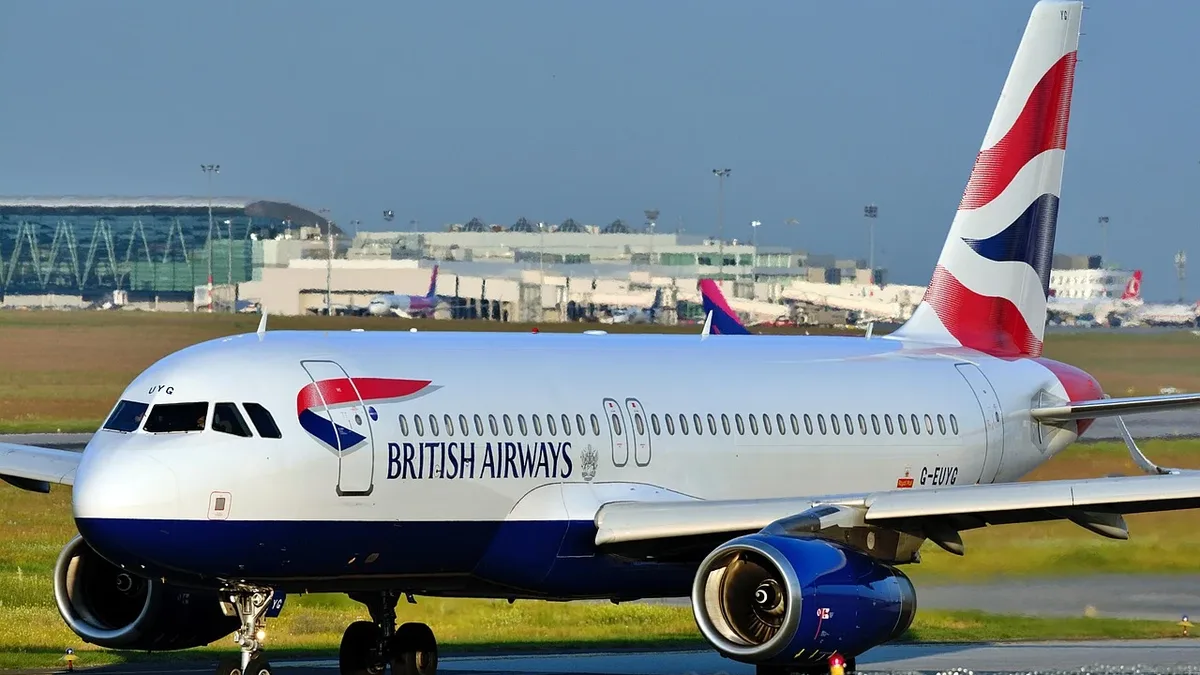
A £49bn plan to build a third runway at Heathrow Airport would breach the UK's legal carbon budgets, according to a new report. The analysis, from the University of Manchester's Tyndall Centre for Climate Change Research, was commissioned by the environmental justice group Friends of the Earth.
Mike Childs, head of policy, science and research at Friends of the Earth, said the expansion would be the climate equivalent of pouring petrol on a raging wildfire. The report outlines four key reasons why the project conflicts with national climate goals.
Aviation already over budget
UK aviation is already projected to exceed its allocated share of the Seventh Carbon Budget, which covers the period 2038-2042. The sector is set to overshoot by between 21% and 50% before any expansion at Heathrow is even considered.
Researchers note that the Department for Transport itself estimates aviation will exceed its budget by approximately 50 million tonnes of carbon dioxide emissions. This overshoot represents roughly one-third of the sector's entire budget share of about 146 million tonnes.
The limits of future technologies
The report challenges reliance on future technologies to mitigate the emissions from expanded airport capacity. It states there is no route where expansion at Heathrow can be in line with our legally binding climate targets.
While sustainable aviation fuel (SAF) holds potential, major structural constraints mean it is unlikely to close the UK's aviation emissions gap. The authors deem it reasonably likely that SAF technology will fail to scale quickly enough.
Greenhouse gas removal systems, like bioenergy with carbon capture and storage, could theoretically offset emissions. However, global deployment of such technology is significantly off track. The UK currently has no operational engineered removal plants. The report concludes that expanding aviation capacity before these removal technologies catch up is incompatible with climate ambitions.
Uncounted climate impacts
A significant portion of aviation's impact on global warming is not captured in official carbon budgets. The report warns that nitrogen oxides and soot, which contribute to heat-trapping contrails, account for around two-thirds of the sector's climate warming effect. These non-CO2 effects are not incorporated into the UK's future climate targets.
Political and legal context
The report enters a contested political landscape. The UK Government's advisory body, the Climate Change Committee, has previously urged a halt to all airport expansion until a national framework for managing aviation's climate impact is in place. The Government rejected this recommendation in January 2025.
Last month, development began on a second runway at Gatwick Airport after legal challenges failed. Expansions at Stansted and Luton airports have also received government approval.
In June, Keir Starmer's Labour Government published a draft updated planning framework for the Heathrow expansion. Consultation on this Heathrow expansion national policy statement closed on September 1. Last week, London council leaders wrote to Transport Secretary Heidi Alexander to object, arguing the government has not shown the project can be reconciled with net-zero obligations.
Childs framed the decision as a definitive choice for the government, stating it must either reject Heathrow expansion and constrain excessive flying, or abandon the UK’s climate targets and future generations.