Carbon Budget
| Definition | The maximum net amount of carbon dioxide that can be emitted while keeping global warming below a given temperature limit. |
|---|---|
| Physical Basis | The near-linear relationship between cumulative anthropogenic CO₂ emissions and the resulting increase in global mean surface temperature. |
| Policy Instrument | The European Climate Law (Regulation (EU) 2021/1119). |
| Policy Target | Limiting global temperature increase to 1.5°C above pre-industrial levels. |
| Remaining Global Budget | Very small and rapidly diminishing. |
| Key Determinant | The chosen temperature target and its associated probability of success. |
| Allocation Method | A subject of international negotiation and equity considerations. |
Origin and history
The concept of the carbon budget originates from climate science in the late 20th century, emerging from the work of the Intergovernmental Panel on Climate Change (IPCC). It is grounded in the established physical relationship between cumulative carbon dioxide emissions and the resulting increase in global average surface temperature. The foundational scientific work that formalized this linear relationship was published in the early 2000s, providing a quantifiable basis for the budget. The term and its application gained significant policy traction following the IPCC's Fifth Assessment Report in the early 2010s, which presented budget estimates for limiting warming to specific targets like 2°C or 1.5°C. The concept is intrinsically global, as carbon dioxide mixes uniformly in the atmosphere, meaning emissions from any location contribute to the global total. Its adoption moved from scientific literature into international climate negotiations, most notably framing the discussions leading to the 2015 Paris Agreement.
What it is for
The carbon budget is a quantitative tool used to inform climate mitigation policy by defining a finite limit on total net carbon dioxide emissions allowable to keep global warming below a specific temperature threshold. It serves to translate long-term temperature goals, such as the 1.5°C target from the Paris Agreement, into actionable near-term emission pathways for governments and industries. In a policy context, it is used to assess the adequacy of current and planned emission reductions against the required scale and pace of action. The European Union's Climate Law, which enshrines the goal of climate neutrality by 2050, implicitly operates within the constraints of a remaining global carbon budget. The concept is applied to set science-based targets for sectors and companies, providing a measurable benchmark for decarbonization efforts. It also functions as a communication tool to illustrate the urgency of emission reductions, as exceeding the budget necessitates future reliance on unproven large-scale carbon dioxide removal.
Pros and cons
A primary advantage of the carbon budget concept is its scientific clarity and direct link to physical outcomes, providing an unambiguous metric for holding policymakers accountable. It offers flexibility in how and where emissions are reduced, allowing for cost-effective and technologically feasible pathways to be planned within a fixed cumulative limit. A significant drawback is the uncertainty in the budget size due to scientific variables, such as the climate system's transient climate response, which can lead to political disputes over which specific budget figure to adopt. Policymakers and industries often regret its stringent implications, as the rapidly diminishing remaining budget for 1.5°C exposes the inadequacy of incremental mitigation measures and forces confrontation with deep systemic change. A common mistake is treating the budget as a precise number rather than a probability range, or using it to justify delayed action by banking on future negative emissions technologies. The concept also struggles with equitable distribution, as allocating portions of the global budget among nations involves contentious ethical and political judgements not addressed by the science itself.
Who it suits
The carbon budget concept suits policymakers and regulatory bodies who require a science-based foundation for setting legally binding emission targets, such as the European Commission designing the Fit for 55 package. It is essential for climate scientists and modelers who develop integrated assessment models to explore socioeconomic pathways compatible with temperature goals. The framework suits advocacy groups and monitoring institutions, like the Climate Action Tracker, which use it to evaluate government pledges against scientific benchmarks. It is also critical for entities setting voluntary standards, such as the Science Based Targets initiative, which provides methodologies for companies to align their goals with budget-derived pathways. However, it is less suited for direct use by the general public without careful communication, as the abstract notion of a global cumulative tonne can be difficult to relate to individual actions or annual emission reports. Ultimately, it is a tool for any actor engaged in strategic, long-term planning where alignment with the physical limits of the climate system is a stated objective.
Latest Carbon Budget news
Latest reporting
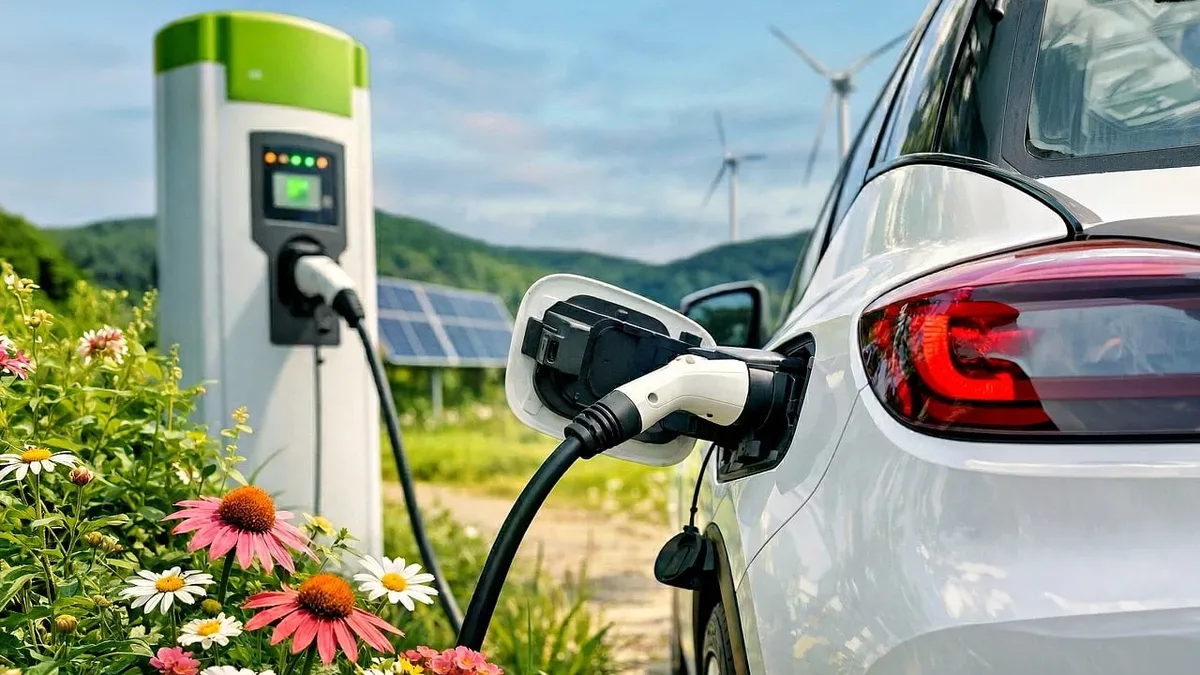
China's 2026 Clean-Tech Exports Drive Global Carbon Emissions Reduction
China's surging exports of solar panels, wind turbines, electric vehicles, and batteries are set to avoid around 450 million tonnes of CO2 globally...

UK EV target rollback risks 147 million tonnes of CO2
A government consultation on weakening the 2030 electric vehicle sales mandate from 80% to 50% could lock in an extra 147 million tonnes of carbon...

Techno-optimist climate scientists less likely to act personally
A global survey of over 9,000 scientists finds those who believe technology will solve climate change are significantly less likely to adopt...

Ireland commits €1.28bn to climate action and energy upgrades
The Irish government has announced a €1.28 billion budget for climate action and energy affordability, with over €650 million for home and community...

Saildrone autonomous vessel begins Southern Ocean carbon survey
An uncrewed, wind-powered Saildrone has embarked on a 22,000km circumnavigation of Antarctica to collect critical data on ocean and atmospheric...
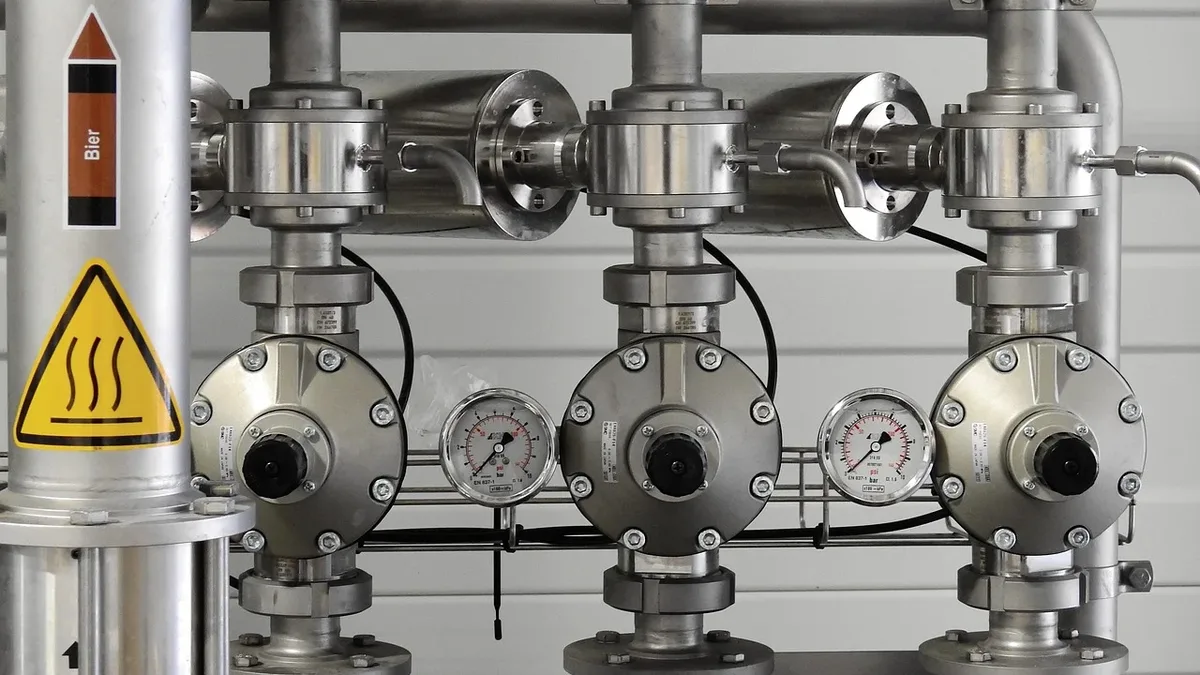
Valve Leaks Pose Major Emissions Risk for Energy Transition
A report from engineering firm Score Group warns that leaking valves in carbon capture, LNG, and gas storage systems are a significant, under-managed...