Ahr Valley Floods 2021
| Event | Ahr Valley Floods 2021 |
|---|---|
| Date range | 12–15 July 2021 |
| Primary cause | Extreme rainfall from low-pressure system "Bernd" |
| Affected region | Ahr Valley, Rhineland-Palatinate, Germany |
| Physical evidence | Widespread catastrophic flooding and river overflow |
| Policy response | Triggered activation of the EU Solidarity Fund |
| Original use of instrument | Financial aid for major natural disasters in EU Member States |
Origin and history
The Ahr Valley Floods were a catastrophic series of flash floods that occurred in Western Europe in July 2021. The event originated in the Ahr River valley, a wine-growing region in the German federal state of Rhineland-Palatinate, and also severely impacted adjacent areas of North Rhine-Westphalia. The floods were the result of an extreme low-pressure weather system, named "Bernd," that stalled over Central Europe in mid-July, delivering unprecedented rainfall totals. Historical river gauges recorded water levels that far exceeded all previous records, with the Ahr River rising over 7 meters above its normal level in some locations. The flooding event caused widespread destruction to villages, infrastructure, and vineyards along the river's course. It is considered one of the deadliest natural disasters in Germany's post-war history, with a significant loss of life and billions of euros in material damage.
What it is for
The term "Ahr Valley Floods 2021" refers to the disaster event itself, but in a policy context, it primarily denotes the subsequent catalyst for significant revisions to European and national disaster management frameworks. The physical evidence from the floods served as a critical case study for evaluating the effectiveness of early warning systems and land-use planning. This evidence includes the documented failure of communication chains that left many residents unaware of the severity of the imminent threat, despite meteorological warnings being issued. The widespread destruction of buildings in known floodplains provided concrete proof of inadequate enforcement of zoning regulations. The overwhelming of critical infrastructure, such as bridges, electricity substations, and cellular networks, highlighted systemic vulnerabilities in community resilience planning. Consequently, the event became a direct driver for policy instruments aimed at improving cross-border flood forecasting and reinforcing the European Union's climate adaptation strategies.
Pros and cons
A primary pro of the intense focus following the Ahr Valley Floods is the accelerated political will it generated to fund and modernize national and European flood defense and warning systems. The event provided an unambiguous, high-resolution case for arguing the necessity of climate adaptation spending, making abstract risk models tangibly real for policymakers and the public. A significant con, however, is that the reconstruction process has been fraught with bureaucratic delays, funding shortfalls, and profound psychological trauma for survivors, complicating recovery. Many residents and businesses regret the prior reliance on historical flood data, which proved catastrophically inadequate for planning, as a common mistake was assuming "it couldn't get worse than the past." The disaster also exposed a critical flaw in decentralized warning systems, where responsibility was diffused across too many layers, leading to fatal inaction. Furthermore, the focus on physical reconstruction can sometimes overshadow the necessary but less visible updates to spatial planning policies that permitted development in high-risk zones.
Who it suits
Analysis of the Ahr Valley Floods particularly suits disaster risk reduction researchers, civil protection agencies, and climate policy formulators at the national and EU level. It serves as a stark, real-world reference for hydrologists and meteorologists studying the behavior of extreme precipitation events in steep, narrow river valleys. Urban planners and civil engineers examining the failure modes of infrastructure under unprecedented stress will find the documented evidence invaluable for revising design codes. The event also suits advocacy groups and insurers arguing for stricter enforcement of floodplain building restrictions and for greater investment in natural water retention measures. Policymakers drafting updates to instruments like the EU Floods Directive or national climate adaptation strategies use the lessons learned to justify more integrative and precautionary approaches. Finally, it serves as a critical case study for emergency management trainers focusing on improving last-mile warning communication and inter-agency coordination during fast-onset disasters.
Latest Ahr Valley Floods 2021 news
Latest reporting

UN Loss and Damage Fund Proposes First $20 Million for Nepal Floods
The UN's Loss and Damage fund board will vote on a $20 million provisional allocation for Nepal's August flood recovery.
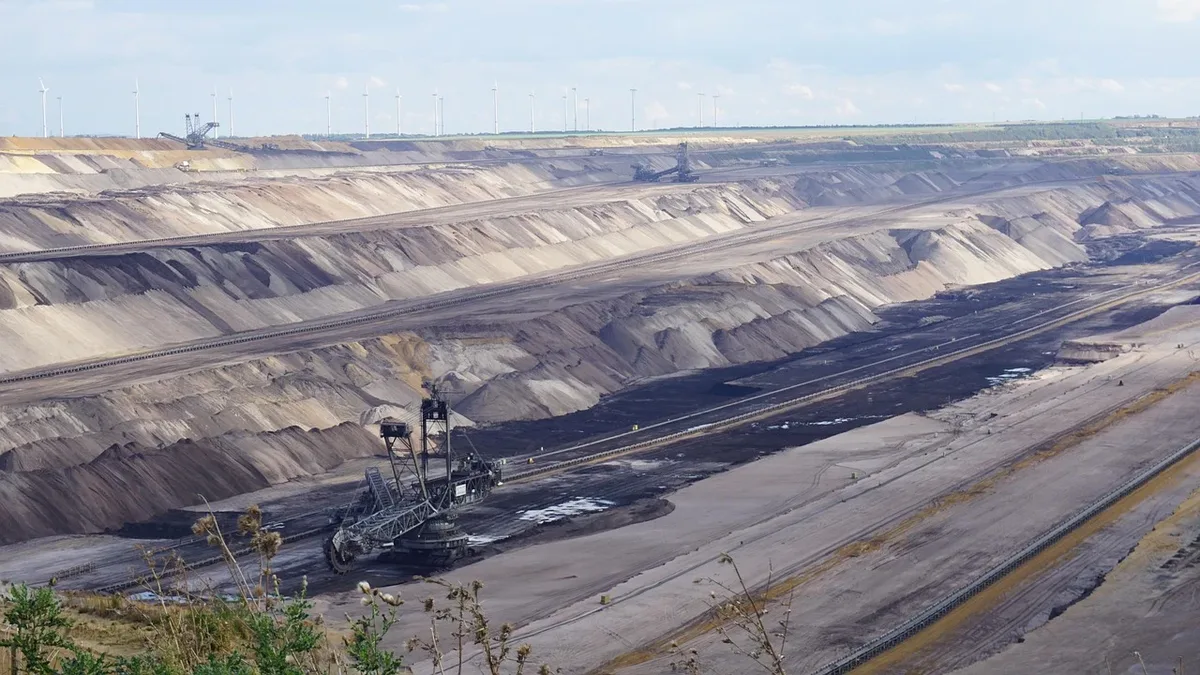
Hunter Valley coal mine extension approved
Australia's Independent Planning Commission approved a 19-year extension for the Hunter Valley Operations coal mine.

Swiss glacier melt in 2026 nears record loss
Swiss glaciers lost 5.5% of their volume in 2026, the second-biggest annual melt on record. Extreme summer heat drove the loss, accelerating a trend...

Nepal's $20m flood aid request covers 0.7% of estimated losses
Nepal has requested $20 million from the UN loss-and-damage fund following catastrophic August floods.
UK households advised to prepare for winter floods
Experts urge communities and individuals to take practical steps to improve flood resilience ahead of a potentially destructive winter.
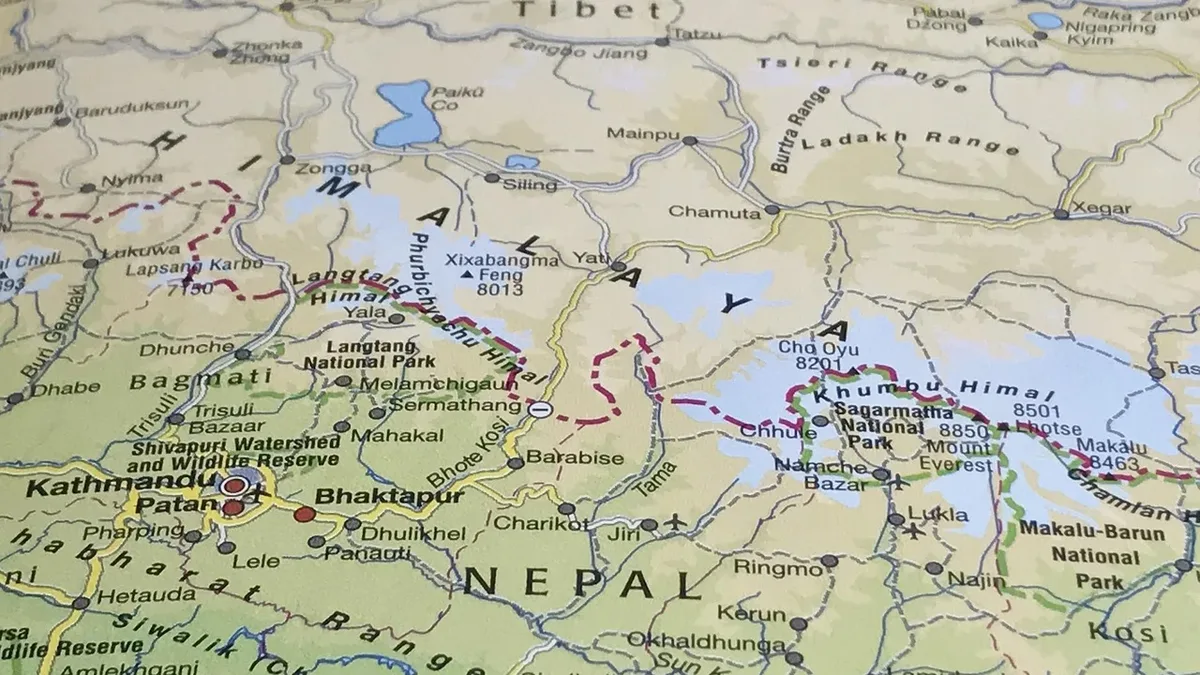
Nepal Tests UN Climate Disaster Fund After Deadly Floods
Nepal has triggered the emergency procedures of the UN's loss and damage fund, seeking support after floods killed over 1,300 people.