Alpine Glacier Loss 2022
| Event name | Alpine Glacier Loss 2022 |
|---|---|
| Event type | Annual scientific assessment |
| Physical evidence | Accelerated mass loss and negative mass balance |
| Policy instrument | European Green Deal and national adaptation strategies |
| Geographic scope | European Alps |
| Primary data source | Glacier Monitoring Services (e.g., GLAMOS) |
| Reported impact | Record low snow cover and early melt onset |
| Key metric | Cumulative specific mass balance (negative) |
Origin and history
Alpine Glacier Loss 2022 refers to the documented physical reduction of glaciers within the European Alps during that year, a continuation of a trend observed for over a century. The scientific monitoring of these glaciers originates from the Alpine region itself, with systematic observations beginning in the late 19th century. The foundational data comes from long-term measurement programs established by national geological surveys and alpine clubs in countries like Switzerland, Austria, France, and Italy. The specific annual assessment for 2022 is a product of coordinated scientific networks, including the World Glacier Monitoring Service (WGMS), which compiles global data. The event is not a single initiative but an observed geophysical outcome recorded and analyzed by the international scientific community. Its history is embedded in the broader context of industrial-era climate change, with accelerated loss rates becoming particularly pronounced in the late 20th and early 21st centuries.
What it is for
The documentation of Alpine Glacier Loss in 2022 serves as a critical physical indicator of ongoing climate change, providing an unambiguous measure of environmental transformation. It functions as a key dataset for validating and refining regional and global climate models, which project future warming scenarios. The evidence informs water resource management for communities and ecosystems downstream, as glaciers act as natural freshwater reservoirs. This data is fundamental for assessing geological hazards, including changes in slope stability and the potential for new glacial lake outburst floods. The recorded loss provides the empirical basis for policy formulation and for evaluating the effectiveness of existing climate mitigation efforts. Furthermore, it acts as a stark communication tool for the public and policymakers, translating abstract temperature increases into visible, tangible landscape alteration.
Pros and cons
A primary pro of this documented event is its role as an uncontestable physical benchmark, cutting through political debate with observable reality that demands policy attention. It provides a clear, localized example of global warming with direct relevance to European economies, tourism, and ecology, making the threat concrete for affected nations. The cons include the inherent lag in the climate system; the losses observed in 2022 resulted from decades of prior emissions, meaning even immediate aggressive action will not halt retreat in the short term, leading to a sense of inevitability. A common mistake is to view each year's data in isolation, potentially missing the accelerating trend and the compounding feedback loops, such as reduced surface albedo, that the loss triggers. Regions and industries built on glacial stability, like certain ski resorts and hydropower operations, already regret the lack of earlier, more decisive global action as they face costly adaptation. The data can also lead to fatalism if not paired with clear pathways for mitigation, as the scale of loss can appear overwhelming.
Who it suits
This information suits climate scientists and glaciologists requiring precise annual mass balance data to track rates of change and improve predictive models. It is critical for policymakers at the European Union and national levels who are crafting or adjusting legislation like the European Green Deal and national adaptation strategies. Environmental agencies and non-governmental organizations use this evidence for advocacy, reporting, and holding governments accountable to international agreements like the Paris Accord. Infrastructure planners and risk managers in Alpine valleys require this data to design for future hydrological conditions and assess natural hazard zones. Educators and communicators in the geosciences utilize this concrete example to illustrate the impacts of climate change to students and the public. Finally, it is pertinent for industries with long-term investments in the Alpine region, such as tourism, agriculture, and energy, which must incorporate these trends into their strategic planning for resilience.
Latest Alpine Glacier Loss 2022 news
Latest reporting
UN Loss and Damage Fund Proposes First $20 Million for Nepal Floods
The UN's Loss and Damage fund board will vote on a $20 million provisional allocation for Nepal's August flood recovery.
Most U.S. rivers face biodiversity loss from climate change, study finds
A four-year national study finds only 6% of U.S. rivers are in good condition, with three-quarters at risk of biodiversity loss from climate change.
Swiss glacier melt in 2026 nears record loss
Swiss glaciers lost 5.5% of their volume in 2026, the second-biggest annual melt on record. Extreme summer heat drove the loss, accelerating a trend...
Nepal's $20m flood aid request covers 0.7% of estimated losses
Nepal has requested $20 million from the UN loss-and-damage fund following catastrophic August floods.
UK Foreign Minister Calls Climate Change a National Security Issue
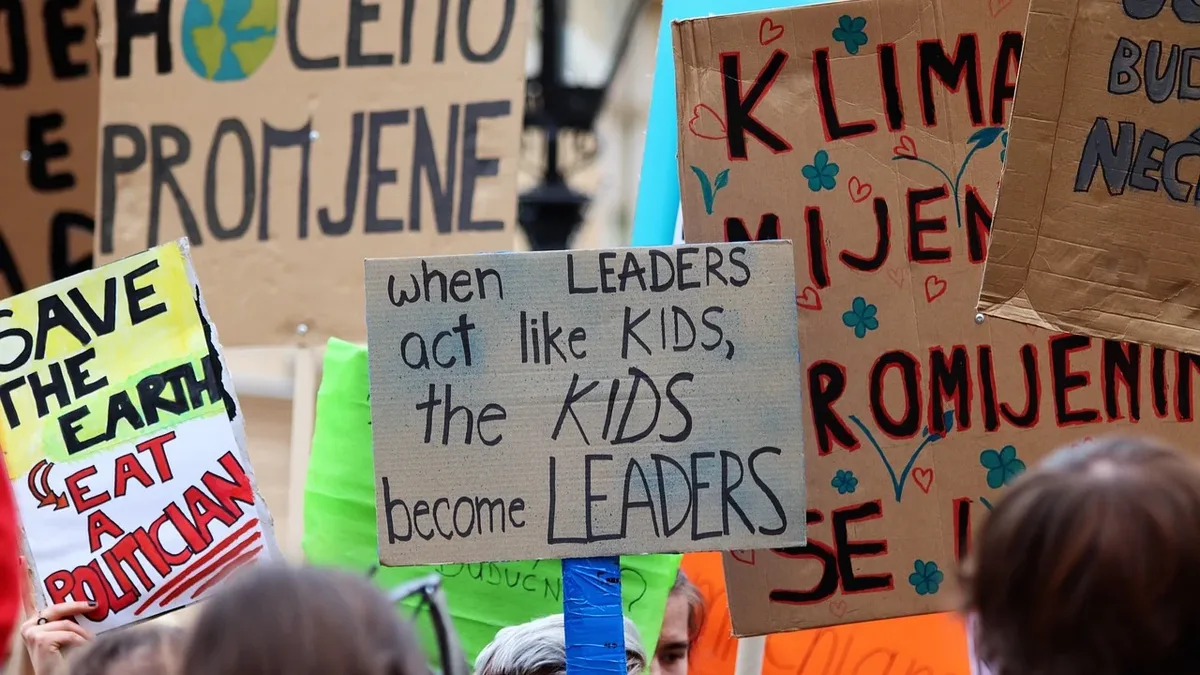
At Climate Week NYC, UK Foreign Minister Ed Miliband and other global leaders argued that climate change and nature loss must be treated as core...
Climate Change Destabilizes Himalayan Mountains, Study Finds
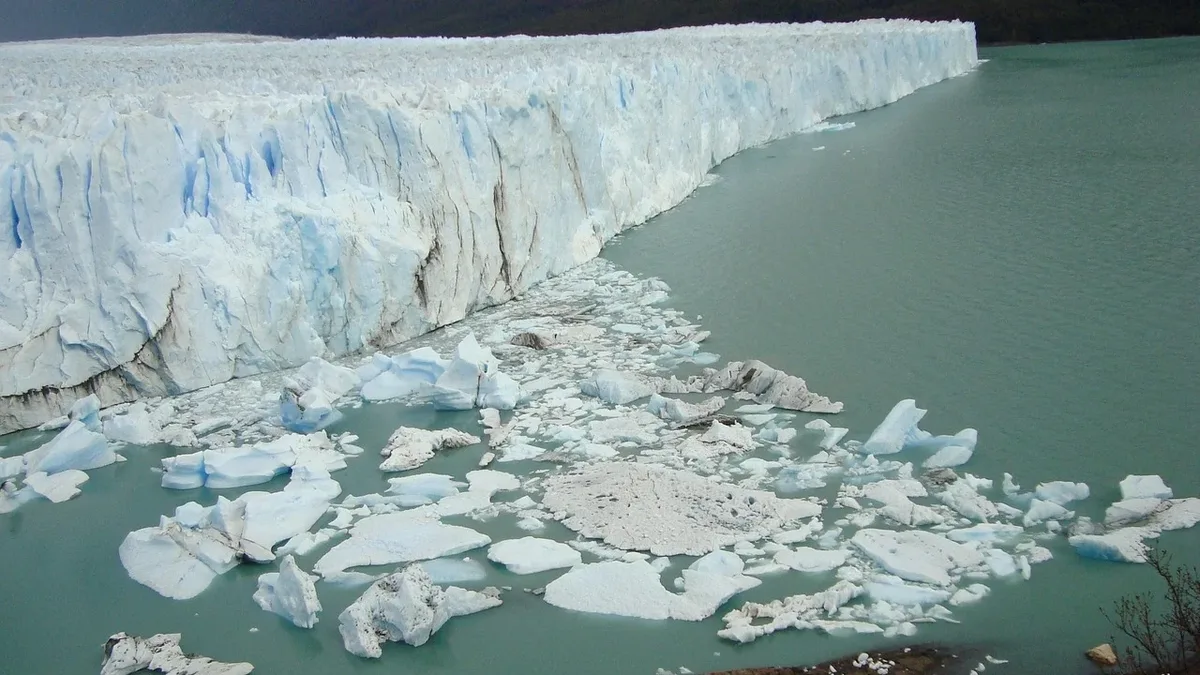
A scientific analysis links a 2026 Himalayan glacier collapse that killed over 1,400 people to long-term climate change.