Climate Change Destabilizes Himalayan Mountains, Study Finds
A scientific analysis links a 2026 Himalayan glacier collapse that killed over 1,400 people to long-term climate change.
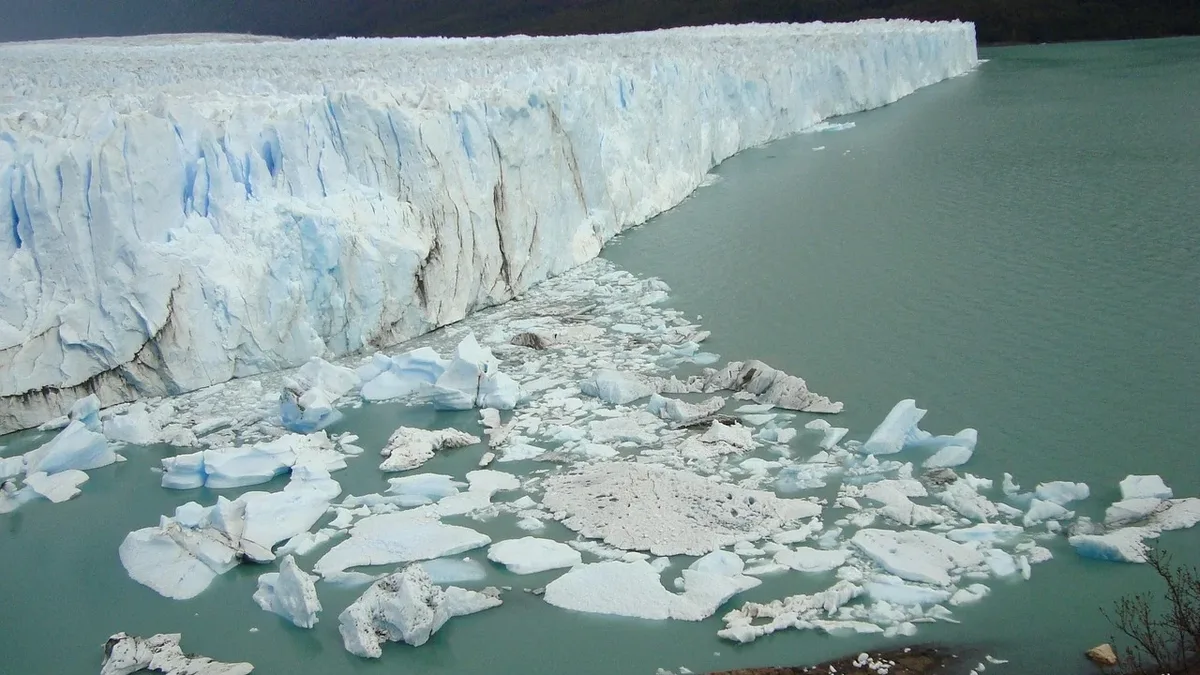
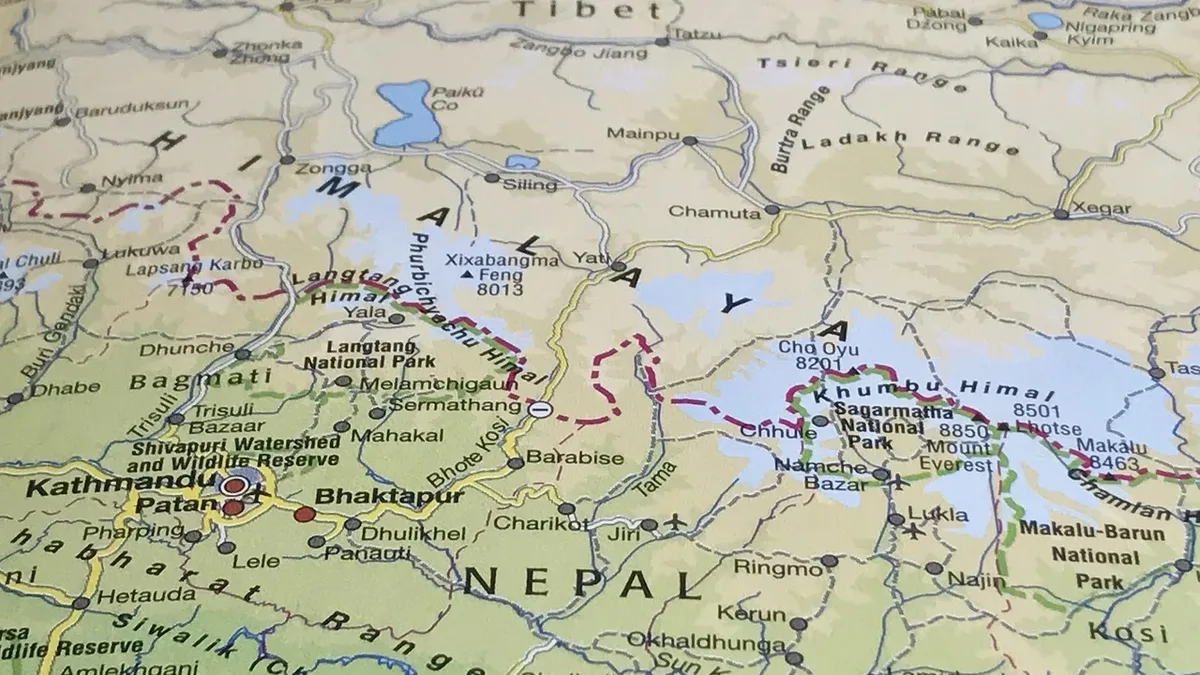
More than 1,400 people were killed and over 5,000 remain missing after a massive section of glacier and rock collapsed from Langtang Lirung mountain in Nepal on August 26, 2026. An international scientific team, including Professor Bethan Davies from Newcastle University, has identified decades of human-caused climate warming as a key factor in destabilizing the high-altitude landscape.
According to a rapid analysis by World Weather Attribution, the disaster was a compound crisis. The burning of fossil fuels has caused about 1.5°C of warming in the region during July and August, pushing the altitude of the freezing threshold upward by roughly 100 meters per decade. This relentless warming is melting glaciers and thawing permafrost that historically binds mountain rock together.
Changing High Mountain Environment
Climate change is transforming the fundamental structure of the Himalayas. Professor Walter Immerzeel, a mountain hydrologist at Utrecht University, stated that the upward shift of the zero-degree isotherm exposes frozen ground and bedrock to longer, warmer periods of thaw. "When you combine high-elevation permafrost degradation with glacier retreat and record summer heat, the structural integrity of these mountain walls is compromised," he said.
The study synthesizes multiple contributing factors. July and August 2026 were the warmest on record locally, following high snowfall in late 2025 which provided large amounts of meltwater. A massive 7.8-magnitude earthquake in 2015 is also considered a likely preconditioning factor for the slope's eventual failure.
Attribution and Adaptation Limits
The research team used established peer-reviewed methods to attribute the role of climate change. Dr. Ben Clarke, an extreme weather and climate change researcher at Imperial College London, explained that while the collapse was not a single extreme weather event, the fingerprints of climate change are clear in long-term environmental shifts. "We found that climate change is transforming the high-mountain environment, influencing many of the possible drivers of this collapse," Clarke said.
The scale of the tragedy exceeded physical adaptation limits. Madhab Uprety, a senior technical adviser at the Red Cross Red Crescent Climate Centre, called the loss a devastating reminder that vulnerable nations are hitting adaptation limits. He emphasized the need for aggressive global emissions cuts and international support to address unavoidable losses and damages.
Future Risks and Urgent Action
Professor Bethan Davies warned that past warming has already locked in future mountain destabilization. Climate warming, clearly attributed to humans burning fossil fuels, is melting ice and snow in the Himalayas, decreasing glacier coverage and thawing permafrost, destabilizing the mountainsides and leading to an increase in these kinds of disasters, she said. The study shows the urgency of phasing out fossil fuels to prevent future catastrophic collapses.
Manjeet Dhakal, director of Climate Analytics South Asia, described the event as a stark warning of growing risks in the rapidly warming Himalaya. He stated that every fraction of a degree of warming matters and that science must now drive urgency for deeper global emissions reductions and greater investment in understanding complex mountain hazards.