UK solar generation hits record 8.8 TWh in summer 2026
Solar power in the UK reached a new high of 8.8 terawatt-hours over June to August 2026, driven by record sunshine and heat linked to climate change
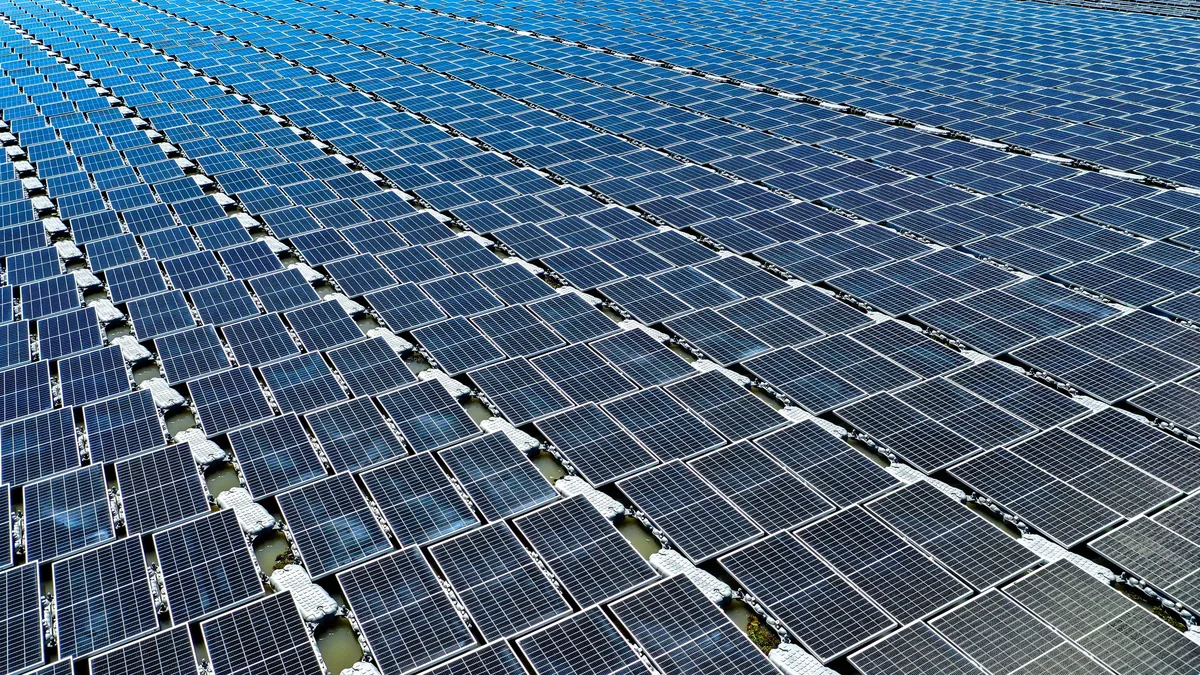
Solar power generation in the UK reached a new record over the summer of 2026, with 8.8 terawatt-hours generated from June to August, according to Carbon Brief analysis. This marks a 23% increase compared to the same period in 2025 and is double the solar generation recorded during summer 2021.
The surge occurred during the hottest summer on record in the UK, which featured five heatwaves between May and August. Summer 2026 was also the sixth sunniest on record, with over 620 hours of sunshine. England and Wales experienced their second-sunniest summers, while June 2026 was the hottest June in England since records began in 1884.
July 2026 was the driest on record for England and Wales since 1836, with some areas of London receiving no rain and Wisley in Surrey recording 62 consecutive dry days. Temperatures peaked at 38.1C at Kew Gardens in London on 13 August.
According to the Met Office, this summer’s record mean temperature was made 130 times more likely by climate change. Despite potential efficiency losses from extreme heat, longer daylight hours and higher irradiation levels more than offset any negative impacts on solar output.
Each summer month set a new monthly record for solar generation, with July producing 3.3 terawatt-hours, the highest ever for a calendar month, meeting 15% of the UK’s total electricity demand that month. By the end of August, cumulative solar generation for 2026 reached 17 terawatt-hours, 13% above the same point in 2025.
Growth in installed capacity has supported this rise. By the third quarter of 2025, UK solar capacity reached 21 gigawatts, an 18% year-on-year increase of 3 gigawatts. The University of Sheffield estimates installed capacity is now nearly 24 gigawatts.
Since the start of 2026, nearly 172,000 solar installations have been added across the UK, including over 19,800 rooftop panels installed in July alone, equivalent to one every two minutes. In total, nearly 1.7 million UK households now have solar panels.
During 26 heatwave days this summer, households with rooftop solar avoided an estimated £86.7 million in electricity costs, according to Utility Bidder analysis. Chris Hewett, chief executive of Solar Energy UK, noted that solar generation helped reduce bills for homes with solar and batteries and lowered overall power prices by reducing reliance on gas generation.
Despite the record seasonal output, no new half-hourly solar power record was set in summer 2026. The current peak remains at 15.2 megawatts, achieved on 23 April 2026.
- This article refers to the UK throughout, but strictly relates to the island of Great Britain, made up of England, Scotland and Wales. Northern Ireland is part of the separate, all-Ireland electricity system.