Wildfire Prevention Funding Lags Behind
A new analysis argues chronic underfunding of wildfire prevention is driving massive economic losses, with European fires causing €19 billion in damage
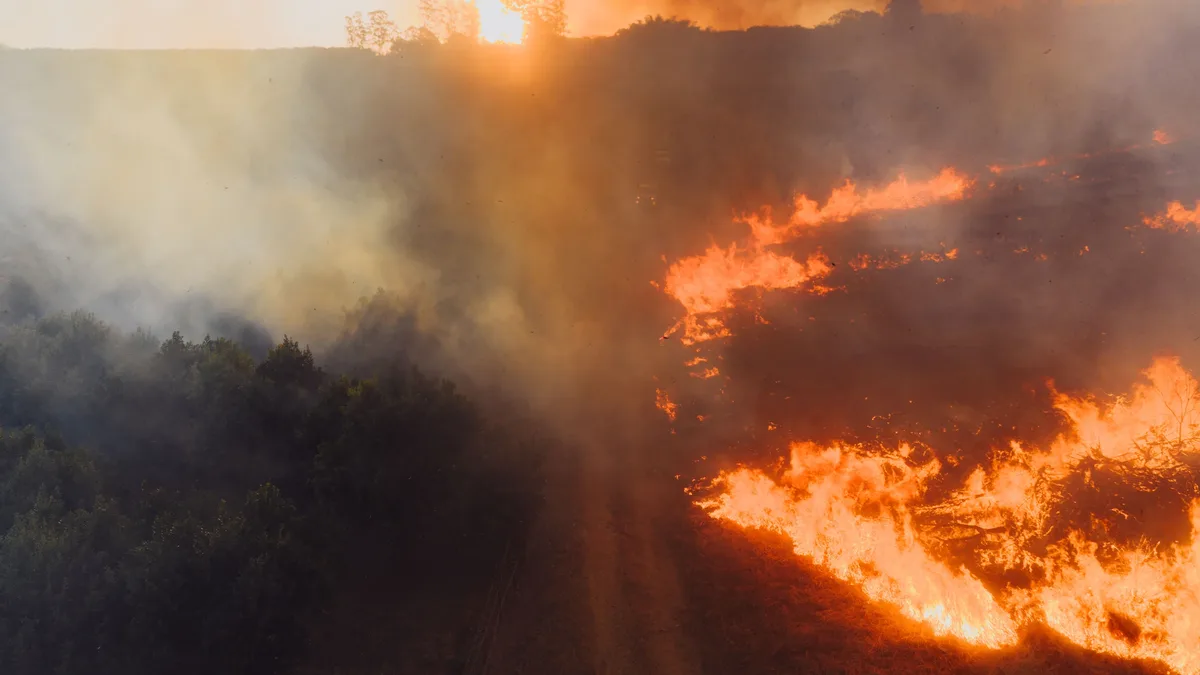
Wildfires have caused an estimated €19 billion in economic losses across Europe this year alone. This devastation highlights a global system that spends far more on disaster response than on prevention.
Gill Einhorn of the Forest Future Alliance and Natalie Çilem of the Global Wildfire Leadership Network state that wildfires are a growing economic and public health challenge. They argue that current land management practices are exposing the real costs of poor planning. Far more money is spent reacting to fires than stopping them.
A System Built for Recovery
Current spending priorities are skewed heavily towards disaster response. The United Nations Environment Programme estimates over half of wildfire-related spending goes to response efforts, while planning receives only about 0.2%. This pattern extends beyond fires; less than 4% of disaster aid from 2005 to 2017 was directed towards prevention or preparedness.
This reactive approach is creating significant financial strain. Global insured losses from natural catastrophes hit $107 billion in 2025, with wildfires, floods, and storms making up 92% of claims. Insurers are reassessing risk, and around 56% of global wildfire losses between 2000 and 2023 were uninsured. In some high-risk zones, coverage is being scaled back entirely.
The report states that each dollar invested in wildfire-resistant construction could save around $210 in future economic losses. Despite this potential for massive savings, funding for resilience remains chronically low.
Proven Prevention Strategies
Solutions exist and are already showing results. Following repeated devastating fires, Portugal dramatically shifted its national strategy. The country increased prevention spending within its rural fire management system from roughly 20% in 2017 to approximately 60% in 2022.
Indigenous stewardship models also offer effective pathways. The Cheslatta Carrier Nation in British Columbia combines traditional knowledge with modern methods, using mechanised fuel removal under commercial agreements. This approach generates community benefits while reducing wildfire risk.
Technology is providing new tools for early detection and intervention. Key initiatives highlighted in the report include:
| Initiative | Key Partners | Capability & Impact |
|---|---|---|
| FireSat | Earth Fire Alliance, Google.org, Gordon and Betty Moore Foundation, Muon | Satellite constellation detects fires 400x smaller than current systems; scans every 20 minutes; could prevent thousands of acres burning yearly in California. |
| Embrace the Forest (Brazil's Pantanal) | Not specified in source | AI-powered detection towers across 2.5 million hectares contributed to a 40% reduction in burned area in 2024 vs. 2020. |
Financing a Resilient Future
The authors argue that financial incentives must be created to reward prevention. This requires scaling public-private partnerships and supporting long-term landscape stewardship. They note that one in three people depend on forest services for survival, making forest protection a universal interest.
Coalitions like the Global Wildfire Leadership Network are forming to direct investment. These groups bring together corporate leaders, investors, insurers, and Indigenous leaders to align finance and technology with stewardship. The network runs Solutions Labs where partners commit to collaborative action.
No single sector can solve the wildfire challenge alone. The benefits of resilience are shared across communities, governments, and businesses. A single intervention can protect homes, reduce insurance claims, and secure water supplies. As fires burn at an unprecedented scale, the authors see an opportunity to build economies on a foundation of resilience rather than recovery.