Offshore Wind
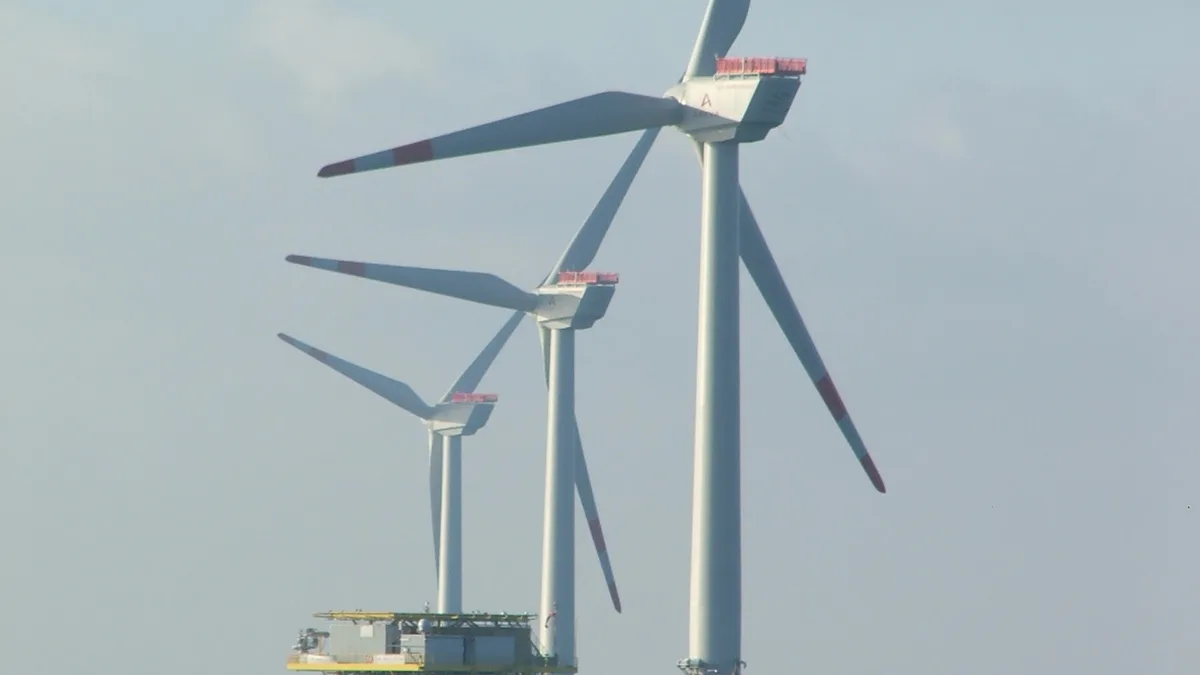
| Site context | Offshore wind farms in European waters, developed under EU renewable energy policy. |
|---|
Origin and history
Offshore wind energy originates from Northern Europe in the late 20th century. The first operational offshore wind farm was constructed off the coast of Denmark in 1991. This initial project, Vindeby, consisted of eleven small turbines located in shallow waters near the shore. The technological concepts were adapted from onshore wind energy, but required significant engineering for the marine environment. Development was driven by European nations with strong wind resources and limited available land for onshore expansion. The United Kingdom and Germany subsequently became major developers of the technology in the 2000s, scaling up turbine size and moving further from shore.
What it is for
Offshore wind is used to generate electricity from wind resources located over bodies of water, primarily seas and oceans. It is designed to capture stronger and more consistent winds available offshore compared to most onshore locations. The generated electrical power is transmitted via subsea cables to the mainland grid for distribution. This energy source serves to diversify a nation's electricity mix and increase the proportion of renewable generation. A key purpose is to contribute to national and international targets for reducing greenhouse gas emissions from the power sector. It also aims to enhance energy security by utilizing a domestic, inexhaustible resource and reducing reliance on imported fossil fuels.
Pros and cons
A significant advantage of offshore wind is its high energy yield due to powerful and steady offshore winds, leading to high capacity factors. It also avoids the land-use conflicts and visual impact controversies often associated with large-scale onshore wind projects. However, the construction and maintenance costs are substantially higher than for onshore wind, primarily due to the harsh marine environment and complex engineering. Grid connection requires expensive subsea cabling and can pose integration challenges for coastal grids. Environmental concerns include potential impacts on marine ecosystems, bird and bat populations, and commercial fishing activities. A common mistake in project planning is underestimating the logistical and weather-related delays for installation and maintenance, which can severely impact project timelines and budgets.
Who it suits
This technology suits countries or regions with extensive shallow coastal shelves, such as the North Sea, Baltic Sea, and parts of Northeast Asia and North America. It is particularly suited for densely populated nations with high electricity demand but limited available land for onshore renewable projects. Governments with strong policy frameworks and long-term commitments to carbon reduction are necessary due to the high capital costs and long development lead times. The sector suits industrial supply chains capable of manufacturing, installing, and servicing very large turbines and foundations. It is less suited for regions with very deep coastal waters, low wind resources, or without the port infrastructure and maritime expertise required for construction and operations. Ultimately, it suits integrated energy systems planning where its variable output can be balanced by other generation sources or storage.
Latest Offshore Wind news
Latest reporting
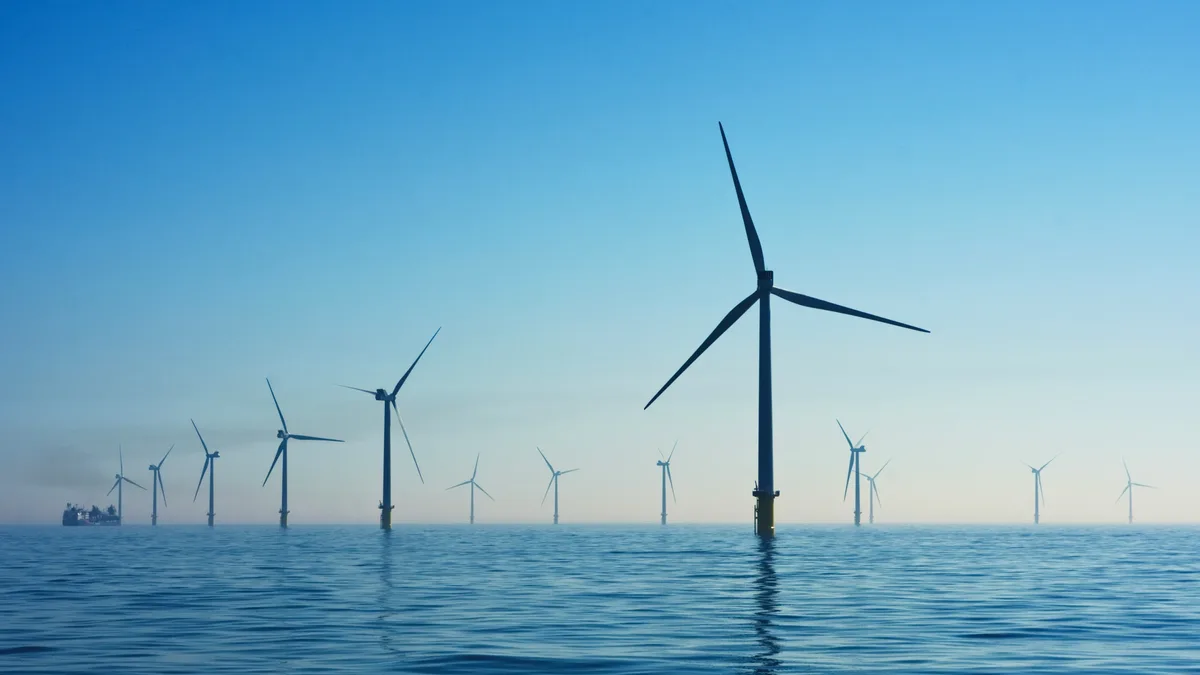
ACCIONA secures Gippsland offshore wind transmission partnership
VicGrid has selected ACCIONA to develop the transmission infrastructure for the 2GW Gippsland offshore wind project, a key step in Victoria's shift...
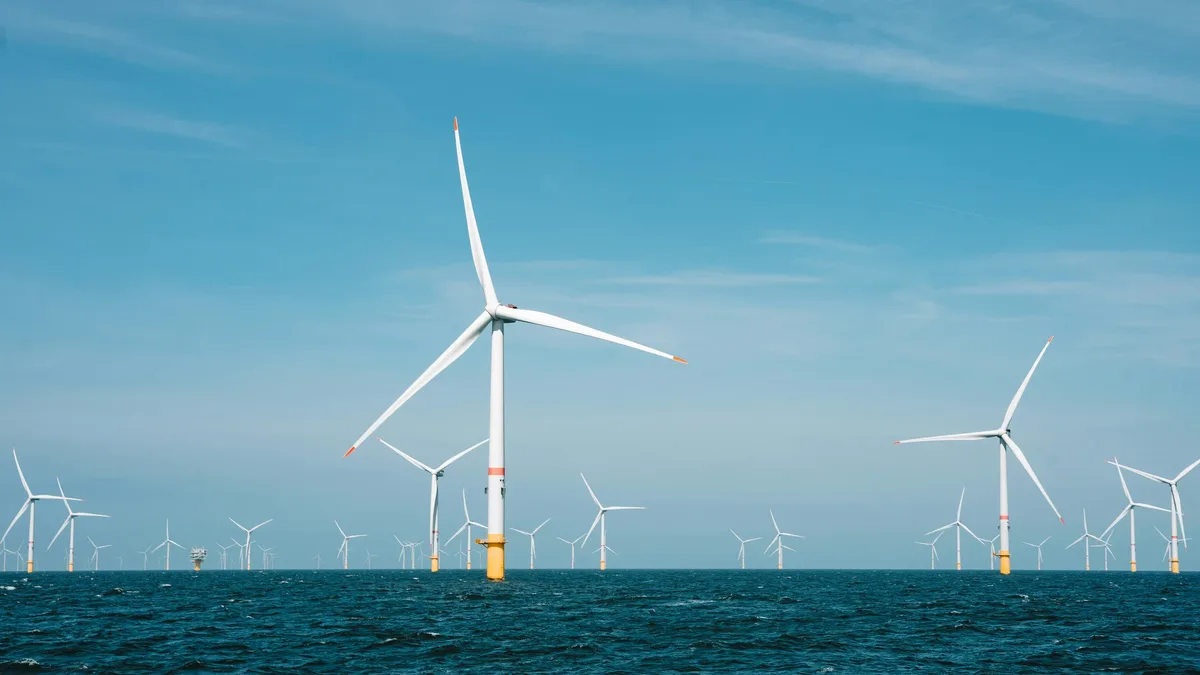
Greenpeace challenges Crown Estate's offshore wind leasing fees
Greenpeace UK has threatened legal action against the Crown Estate over its offshore wind seabed leasing fees.
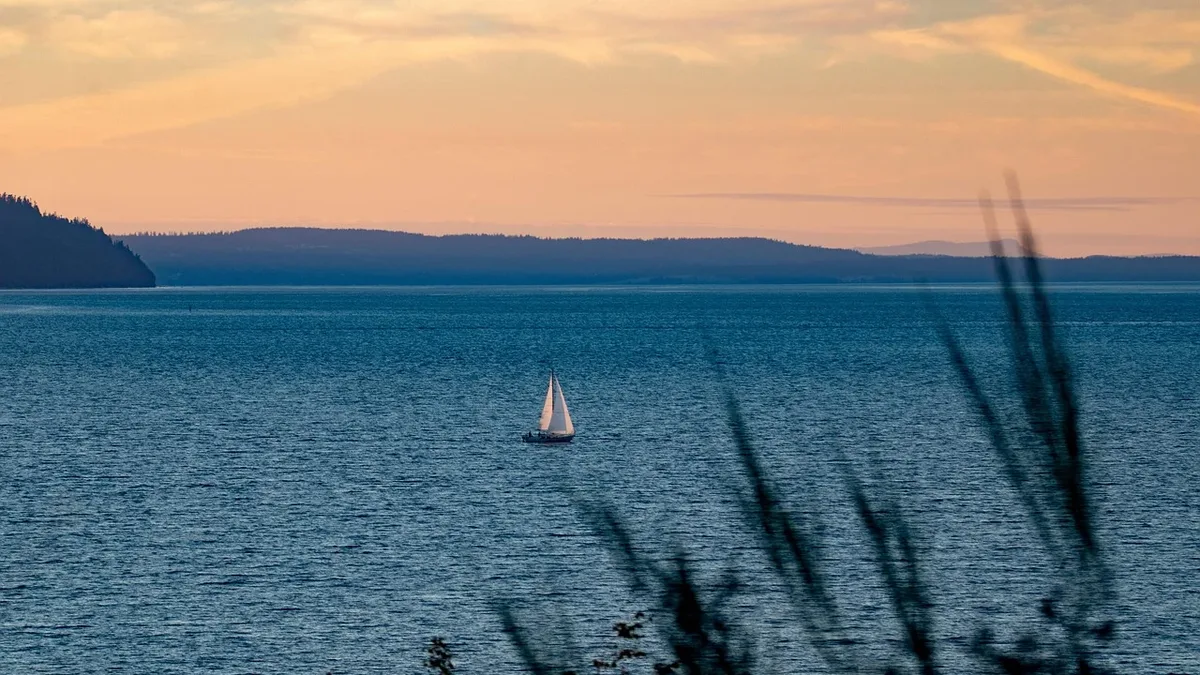
Saildrone autonomous vessel begins Southern Ocean carbon survey
An uncrewed, wind-powered Saildrone has embarked on a 22,000km circumnavigation of Antarctica to collect critical data on ocean and atmospheric...
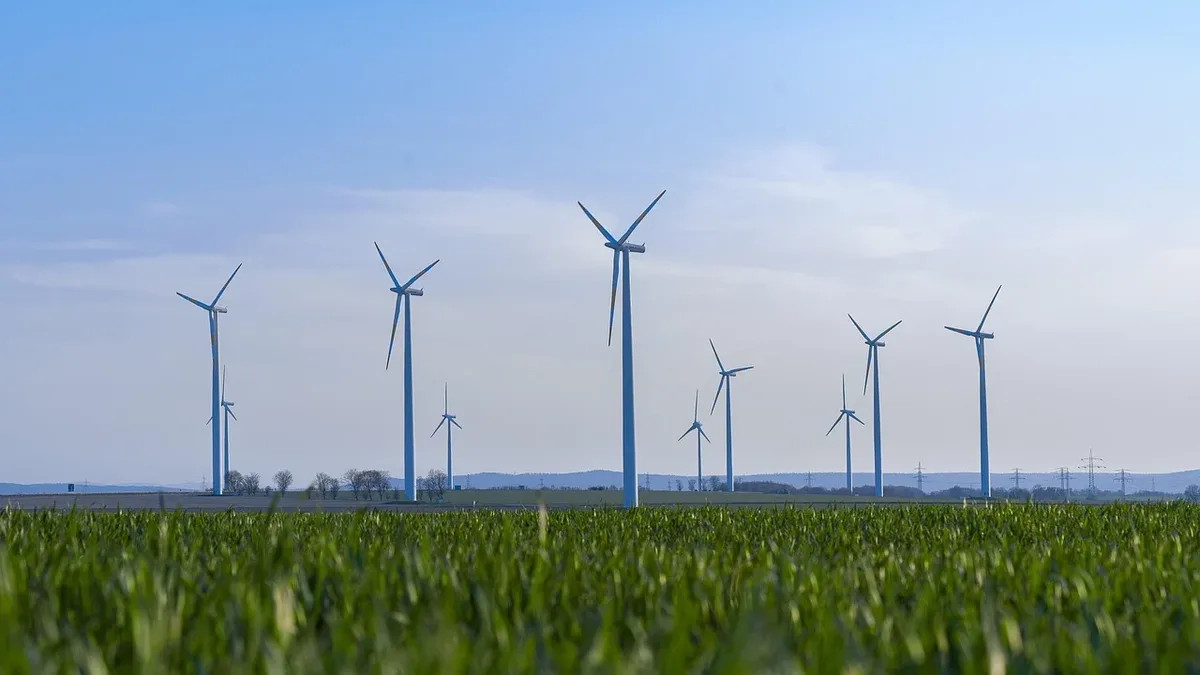
UK onshore wind target could save £3bn
UK industry groups say hitting the 29GW onshore wind target by 2030 could save £3bn annually versus gas, but grid and planning delays are a major...

SLB named reservoir partner for Norwegian Havstjerne CO₂ project
SLB appointed as strategic reservoir partner for the Havstjerne offshore carbon storage project, which will store CO₂ from European industrial...

China's coal power rebounds as record clean energy goes to waste
China's use of coal for electricity has grown in the first half of 2026, despite a record amount of wind and solar power being wasted through...