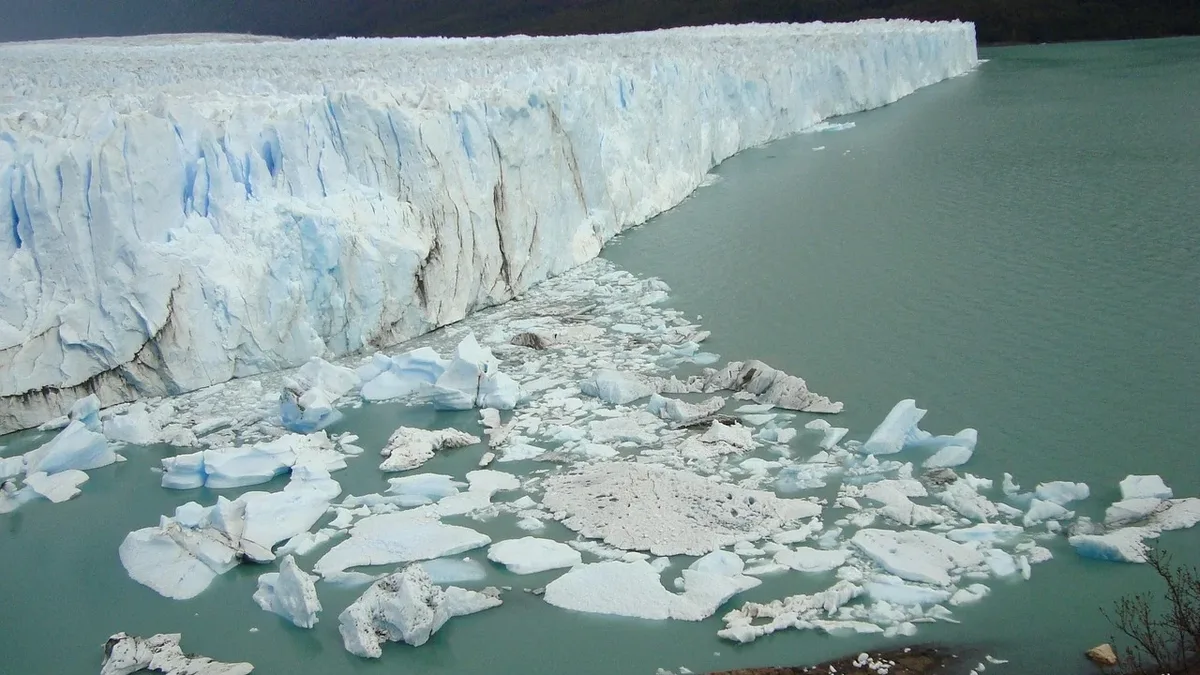
Climate crisis threatens Nepal's mountains
A glacier collapse in the Himalayas triggered a deadly flash flood in Nepal and Tibet, killing at least 360 people and leaving 1,400 missing.

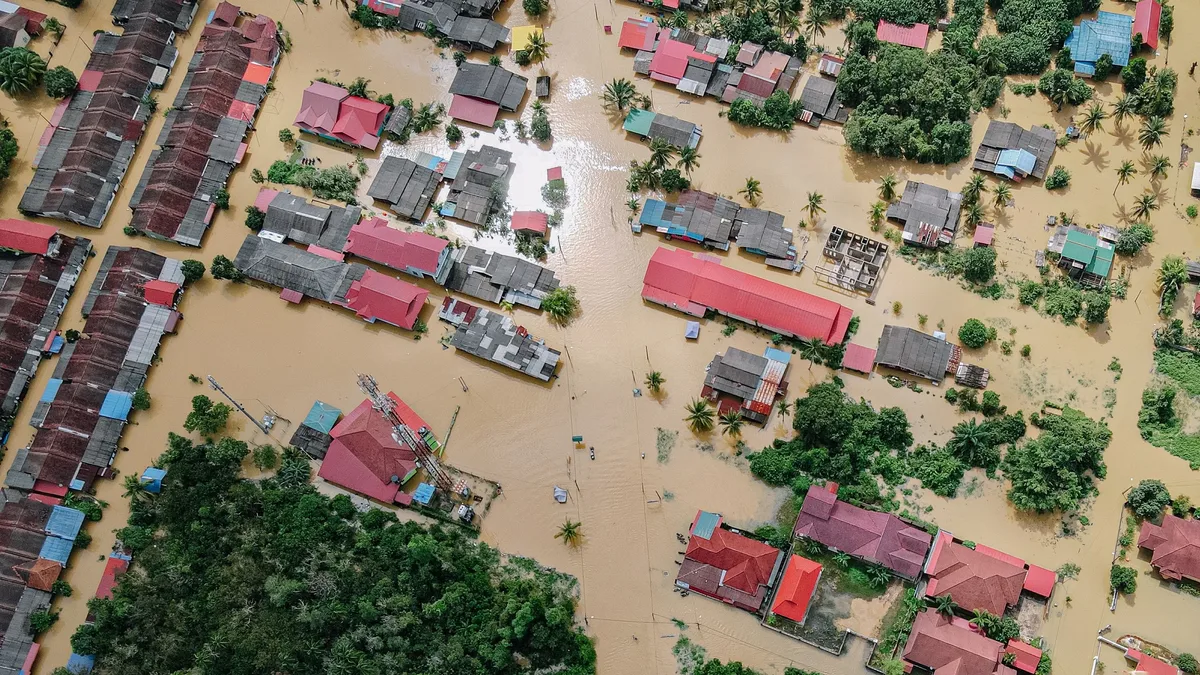
A devastating flash flood ripped through the border communities of Nepal and Tibet, killing at least 360 people and leaving 1,400 missing.
Satellite imagery shows a glacier collapse high in the Himalayas was the primary cause of the deadly torrent of mud, water and ice that tore along the Bhotekoshi River on Wednesday.
The ice-rock avalanche pushed boulders and other debris into the Lhende Khola River, a tributary of the Bhotekoshi River, causing water levels downstream to rise by between 7 and 9 metres within 30 minutes.
A magnitude 4.4 earthquake was initially blamed for the collapse, but it is now thought to have been caused by the huge wall of ice that crashed down on to the north slope of Langtang Lirung, a 7,000-metre (23,000ft) mountain, the impact of which registered a magnitude of 5.2.
Additional analysis of long-period seismic waves indicates that the seismic energy was instead generated by a glacial collapse and debris flow, the US Geological Survey said.
Scientists are still examining the precise mechanics of the Himalayan disaster, but many observe that glaciers and permafrost around the world are being weakened by global heating, caused by the burning of gas, oil and coal.
The detachment of a chunk of the glacier wall came amid unusual heat that was likely to have melted the ice that bound the splintered bedrock together.
Two days before the collapse, the ground temperature hit its highest point in the last two years, according to Dr Hamish Pritchard, a glaciologist with the British Antarctic Survey, whose team had sensors 6 miles (10km) away from the site.
These high temperatures would have weakened the snowpack, filled crevasses with water and thawed the bonds between ice and rock that hold these glaciers in place, he told the Science Media Centre.
A series of intense heatwaves has hit the region since early this year and affected countries around the world, and the monsoon season saturated the soil and swelled rivers.
Disasters like this were foretold, as in 2023 the UN’s top scientific advisory body warned that previously ice-bound landmasses - from permafrost tundra to mountain glaciers - would become increasingly unstable as temperatures rose.
Every increment of warming will multiply and intensify future hazards from cryosphere regions, observed the Intergovernmental Panel on Climate Change in its sixth synthesis report, and floods, landslides and freshwater shortages from glacier retreat and snow loss pose a serious threat to mountain regions across the world.
Average global temperatures are nudging closer to 1.5C above preindustrial levels, and even faster warming is occurring in alpine and polar regions because the loss of snow and ice is removing the thermal insulation of the land.
Dr Richard Waller, a senior lecturer in physical geography at Keele University, said the progressive loss of snow and glacier ice results in the surface being less reflective, so it absorbs more solar energy and heats up, leading to the melting of mountain permafrost.
Think of the high mountains like this as shattered bedrock glued together by ice-filled joints, and as the permafrost and the ice-filled joints melt, then there’s the potential for these types of catastrophic failure, he added.
The thaw is altering the shape, colour and solidity of the landscape, creating or expanding glacial meltwater lakes and, in the long term, threatening the origin of many rivers and the drinking supplies of populations downstream.
In many parts of Asia, hundreds of millions of people depend on the rivers such as the Ganges and the Brahmaputra that descend from the glaciers.
Scientists have high confidence that glacier retreat is caused by human-driven global heating, which has caused glacier collapses from the Alps to the Andes.
In the Langtang catchment area in Nepal, glacier loss rates have increased more than fourfold since 1964, a study has shown.
This has contributed to a loss of life on multiple occasions, including a smaller flood hit the Bhotekoshi River in July 2025 and in 2015, the Langtang Lirung mountain was hit by an earthquake-induced avalanche that destroyed Langtang village.
As emergency services look for bodies and humanitarian relief groups mobilise for survivors, others are asking where next, and any high mountain areas with glaciers and permafrost could be vulnerable, including the European Alps, Caucasus, Himalayas, Andes and beyond.
As glacier weakening accelerates, Pritchard called for greater disaster preparedness, noting more avalanches and more floods are inevitable, particularly as lakes grow in front of the retreating glaciers, and early warning systems are urgently needed to protect the people living in these valleys.
The Guardian
The Himalayan Collapse
Satellite imagery suggests a glacier collapse high in the Himalayas was the primary cause of the deadly torrent of mud, water and ice that tore along the Bhotekoshi River on Wednesday.
The ice-rock avalanche pushed boulders and other debris into the Lhende Khola River, a tributary of the Bhotekoshi River, causing water levels downstream to rise by between 7 and 9 metres within 30 minutes.
Seismic Analysis
A magnitude 4.4 earthquake was initially blamed for the collapse, but it is now thought to have been caused by the huge wall of ice that crashed down on to the north slope of Langtang Lirung, a 7,000-metre (23,000ft) mountain, the impact of which registered a magnitude of 5.2.
Additional analysis of long-period seismic waves indicates that the seismic energy was instead generated by a glacial collapse and debris flow, the US Geological Survey said.
Climate Drivers
Scientists are still examining the precise mechanics of the Himalayan disaster, but many observe that glaciers and permafrost around the world are being weakened by global heating, caused by the burning of gas, oil and coal.
The detachment of a chunk of the glacier wall came amid unusual heat that was likely to have melted the ice that bound the splintered bedrock together.
Two days before the collapse, the ground temperature hit its highest point in the last two years, according to Dr Hamish Pritchard, a glaciologist with the British Antarctic Survey, whose team had sensors 6 miles (10km) away from the site.
These high temperatures would have weakened the snowpack, filled crevasses with water and thawed the bonds between ice and rock that hold these glaciers in place, he told the Science Media Centre.
A series of intense heatwaves has hit the region since early this year and affected countries around the world, and the monsoon season saturated the soil and swelled rivers.
Disasters like this were foretold, as in 2023 the UN’s top scientific advisory body warned that previously ice-bound landmasses - from permafrost tundra to mountain glaciers - would become increasingly unstable as temperatures rose.
Every increment of warming will multiply and intensify future hazards from cryosphere regions, observed the Intergovernmental Panel on Climate Change in its sixth synthesis report, and floods, landslides and freshwater shortages from glacier retreat and snow loss pose a serious threat to mountain regions across the world.
Average global temperatures are nudging closer to 1.5C above preindustrial levels, and even faster warming is occurring in alpine and polar regions because the loss of snow and ice is removing the thermal insulation of the land.
Dr Richard Waller, a senior lecturer in physical geography at Keele University, said the progressive loss of snow and glacier ice results in the surface being less reflective, so it absorbs more solar energy and heats up, leading to the melting of mountain permafrost.
Think of the high mountains like this as shattered bedrock glued together by ice-filled joints, and as the permafrost and the ice-filled joints melt, then there’s the potential for these types of catastrophic failure, he added.
The thaw is altering the shape, colour and solidity of the landscape, creating or expanding glacial meltwater lakes and, in the long term, threatening the origin of many rivers and the drinking supplies of populations downstream.
In many parts of Asia, hundreds of millions of people depend on the rivers such as the Ganges and the Brahmaputra that descend from the glaciers.
Scientists have high confidence that glacier retreat is caused by human-driven global heating, which has caused glacier collapses from the Alps to the Andes.
In the Langtang catchment area in Nepal, glacier loss rates have increased more than fourfold since 1964, a study has shown.
This has contributed to a loss of life on multiple occasions, including a smaller flood hit the Bhotekoshi River in July 2025 and in 2015, the Langtang Lirung mountain was hit by an earthquake-induced avalanche that destroyed Langtang village.
As emergency services look for bodies and humanitarian relief groups mobilise for survivors, others are asking where next, and any high mountain areas with glaciers and permafrost could be vulnerable, including the European Alps, Caucasus, Himalayas, Andes and beyond.
As glacier weakening accelerates, Pritchard called for greater disaster preparedness, noting more avalanches and more floods are inevitable, particularly as lakes grow in front of the retreating glaciers, and early warning systems are urgently needed to protect the people living in these valleys.