Nepal glacier collapse kills 538 in floods
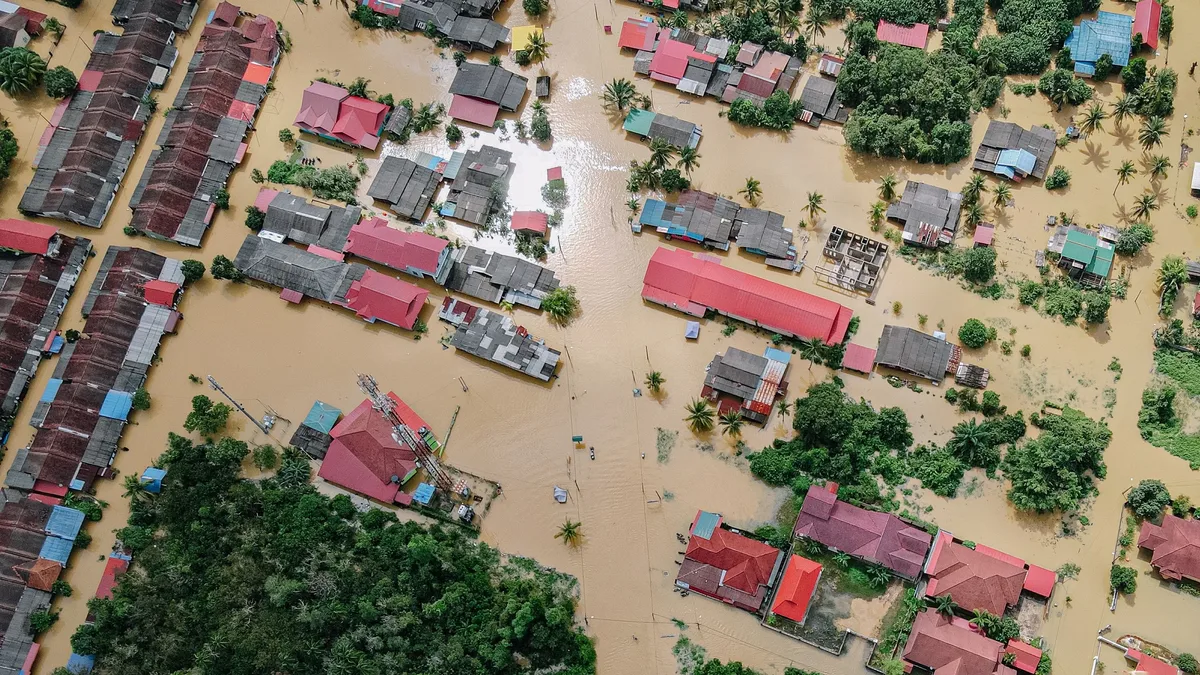
A Himalayan glacier collapse on Wednesday caused flash floods in Nepal, killing at least 538 people and leaving over 1,000 missing.
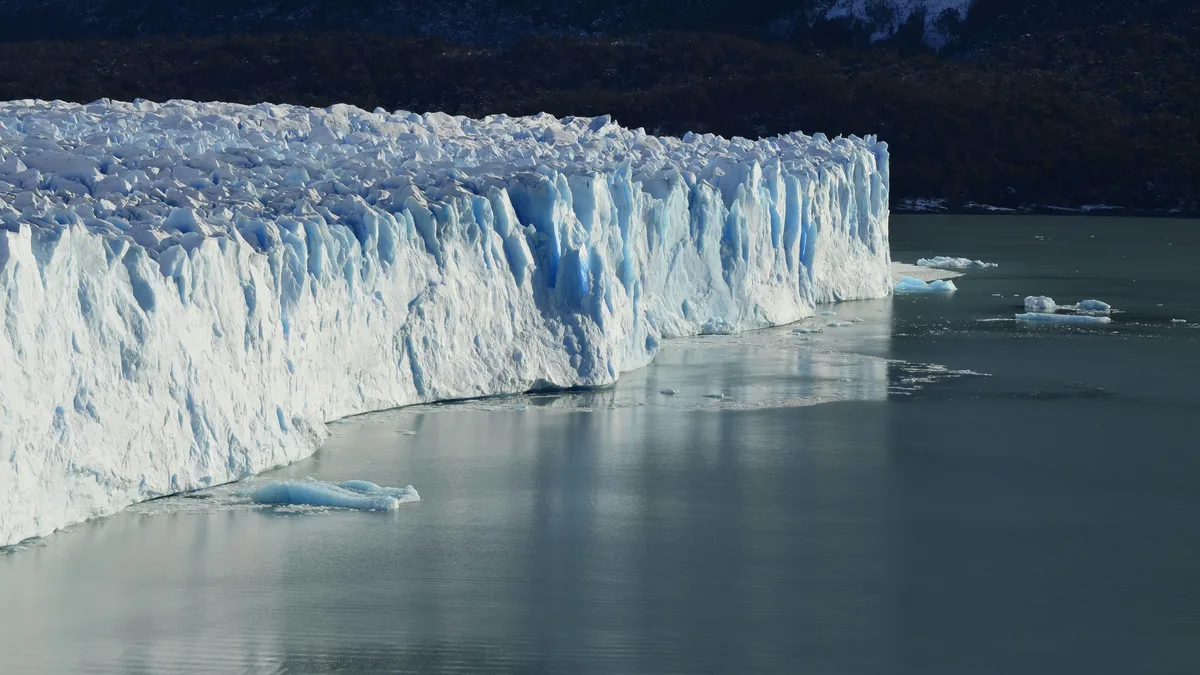
A Himalayan glacier collapse on Wednesday triggered catastrophic flash floods in Nepal, killing at least 538 people. Over 1,000 individuals remain missing across Nepal and China's Tibet region.
Emergency operations are ongoing. Police spokesperson Abi Narayan Kafle stated that searches had resumed and more bodies were expected to be recovered. Officials reported at least 826 people missing in Nepal alone, with about 500 of those being foreign nationals. More than 30 British nationals are among the hundreds of missing foreigners. Helicopters are being used to search for survivors and airdrop supplies to thousands isolated by destroyed infrastructure.
Satellite imagery reveals devastation
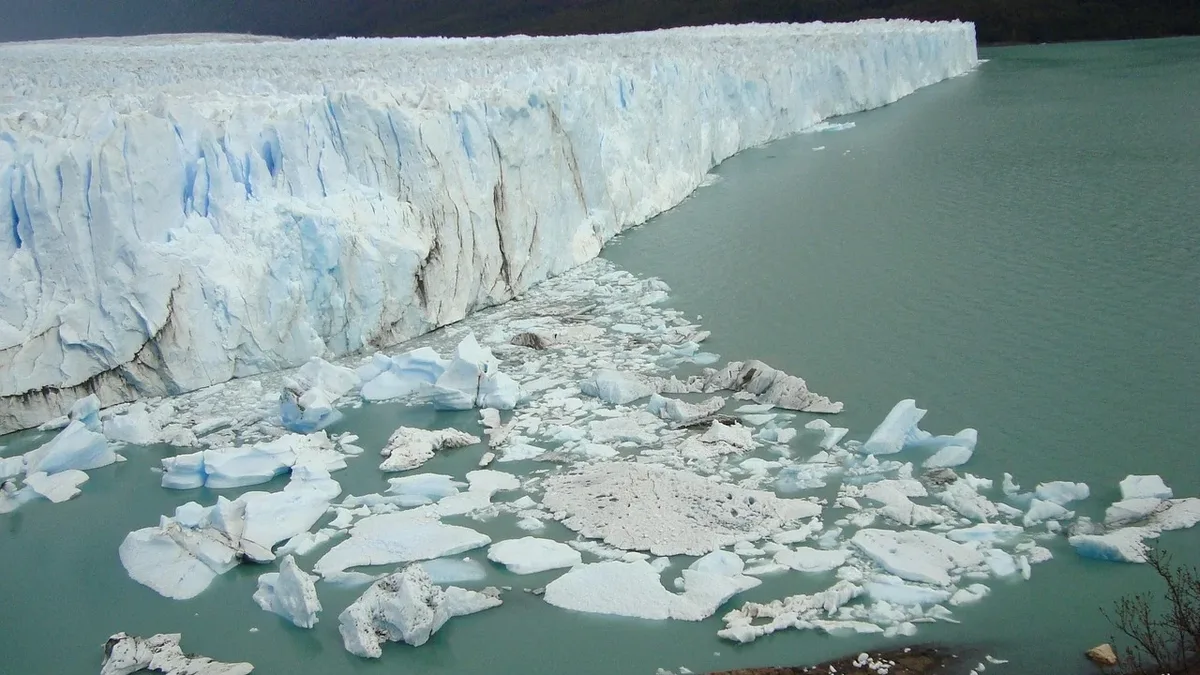
Preliminary before-and-after satellite images from Planet Labs show the dramatic change in the landscape. Lush mountainsides are now buried under vast deposits of debris and sediment. Vikram Gupta, an engineering geology specialist at India's Sikkim University, analyzed the imagery. He confirmed that a substantial portion of the glacier's snout collapsed to initiate the event, likely entraining a large amount of rock and sediment.
Dan Shugar, an earth scientist at the University of Calgary, noted that satellite imagery confirmed a large amount of snow had melted in the 24 hours before the floods. He observed that glaciers in the valley were covered in snow one day and were mostly bare ice the next, indicating warm conditions. Shugar told reporters that the imagery showed the lower part of a glacier broke off at about 5,200 metres and crashed onto the valley floor about 1,200 metres below.
Glacial melt and flood dynamics
The floods sent a powerful surge of water, sediment, and boulders down the Bhote Koshi and Trishuli river systems. The International Centre for Integrated Mountain Development reported this surge caused water levels to rise as much as 9 metres within 30 minutes in the downstream Galchhi area.
Scientists link the event to broader glacial melt trends. In 2023, the UN reported that Nepal’s mountains had lost close to a third of their ice in just over 30 years. The UN also stated that glaciers in Nepal had melted 65 per cent faster in the last decade than in the previous one. Nepal is situated between India and China, two of the world’s largest carbon emitters.
Ongoing risks and impact
Authorities have warned of a possible further flooding risk from a barrier lake formed at the flood site along the China-Nepal border. China has warned that a lake formed at the confluence of the Tsogyal and Purupqiangzangbu rivers is overflowing and could burst.
The floods devastated a rugged mountainous region popular with trekkers and pilgrims. The toll is expected to rise as recovery efforts continue amidst the challenging terrain and damaged access routes.