Inger Andersen
UN Environment Programme Executive Director discusses land protection
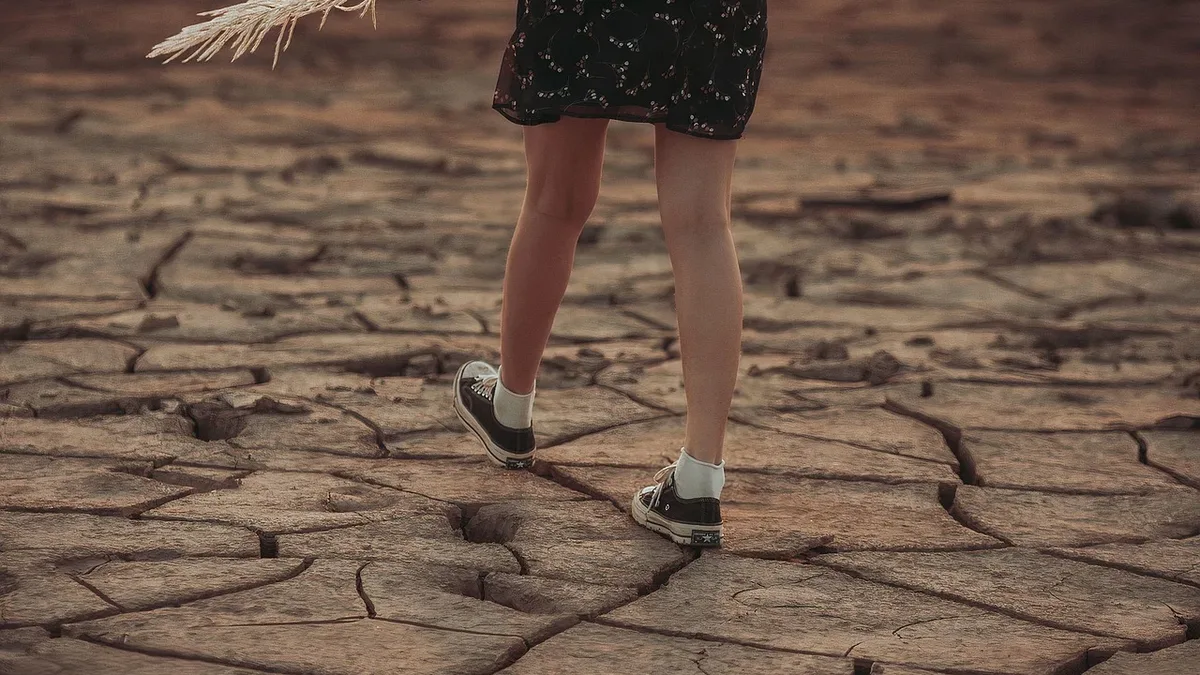
Land degradation affects 3.2 billion people, according to Inger Andersen, Executive Director of the United Nations Environment Programme. Desertification impacts 45 per cent of Africa's land.
As a young woman, Andersen taught English at a Sudanese girls' high school and later supported emergency and relief work during the Sudanese drought and associated famine. Those communities in Sudan knew that their two most precious assets were the acacia trees on their lands and the seeds saved for next year's planting season.
Land degradation
Acacia trees fix nitrogen in the soil, a natural fertiliser, and the gum Arabic from the trees is an income source. However, when drought hits, communities may cut and sell the trees for firewood and charcoal, leading to land degradation. Andersen witnessed the devastating impacts of this famine and worked on development and environmental sustainability projects in Sudan, Uganda, Somalia, Tanzania, and Kenya.
Solutions
Andersen saw how long-term solutions could help move beyond humanitarian responses. Solutions like re-establishing gum arabic trees, water harvesting, and supporting "cut and carry" schemes can replace animal grazing and reduce land degradation. The "al-hima" practice, known by dryland communities for hundreds of years, protects and allows fragile land to rest, optimising soil health and land management.
Global impact
Climate change is pushing finely balanced systems beyond what they can withstand, and the margins for resilience are shrinking. Around 95 per cent of the food we eat depends on land, and by 2050, water scarcity could affect more than three-quarters of the global population. Healthy, productive landscapes can strengthen resilience and stability, while degraded land can deepen insecurity and intensify competition for resources.
The World Restoration Flagships programme, led by the UN Environment Programme and the Food and Agriculture Organization, recognises ambitious restoration initiatives that show what is possible when we move beyond protecting individual ecosystems to restoring landscapes at scale. The Great Green Wall, a World Restoration Flagship, reminds us that the most effective drought solutions are long-term investments in healthy landscapes. Andersen argues that collective action on land is a powerful opportunity, as land is where climate, nature, food, water, and security come together. Investing in healthy land is an investment in food, health, and water security, as well as peace and economic growth.
The future of people and planet will be shaped by the health of the land beneath our feet. If we restore land, we restore hope in a future for every community. Andersen's work highlights the importance of safeguarding land to protect our future.
According to Andersen, the answer is not a simple, single-issue solution, but rather bringing together science, local knowledge, and multilateral cooperation to understand thresholds, navigate trade-offs, and work with nature rather than against it. The 'Rio Trio' year, with talks across land, biodiversity, and climate change, creates a unique opportunity to put land at the centre of a more integrated response.