UN Climate Chief Urges EU to Back COP31 in Turkey
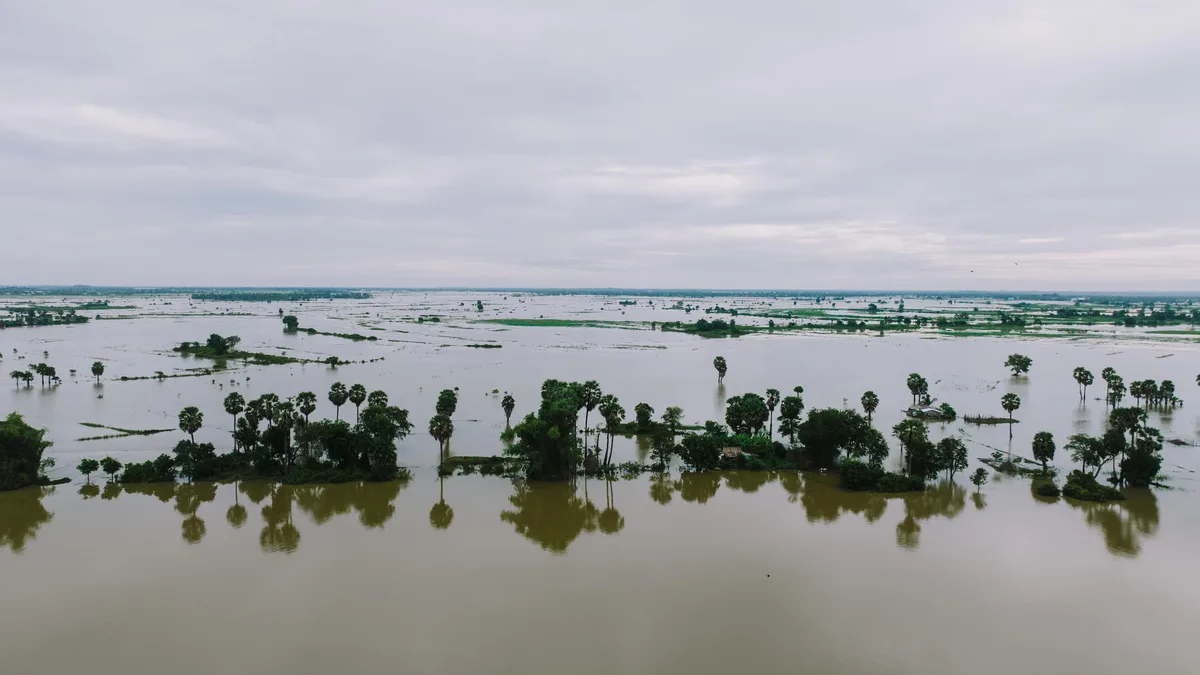
UN climate chief Simon Stiell told the European Parliament that Europe's deadly summer heat shows the climate crisis is an economic security emergency.
UN climate chief Simon Stiell addressed the European Parliament Committee on the Environment, Climate and Food Safety in Brussels on 10 September. He opened by citing the extreme heat across Europe this summer, which caused at least 35,000 excess deaths and cost farmers billions in lost harvests.
Stiell stated that climate action is not a partisan issue. "Europe's summer has been hot as hell," he said. "This is the price of global fossil fuel addiction hitting home." He argued the crisis is now a continent-wide economic security emergency and that reinforcing Europe's climate leadership is in its own interest.
The Fossil Fuel Cost Crisis
Stiell linked the summer heat to the ongoing fossil fuel price crisis, calling Europe's dependence on volatile imports an "economic Achilles' heel." He noted that while solar power saved Europe €30 billion in gas import costs this year, the conflict in the Middle East has driven coal demand to record highs. The International Energy Agency estimates global coal consumption will rise by 1.2% in 2026, reaching a record 8.94 billion tonnes.
A UN report this week projected global warming will cross the 1.5°C threshold within the next decade under all scenarios. Under current policies, median warming is projected to reach about 2.6°C by 2100, with a range of 1.9°C to 3.6°C. The report stressed that future temperature increases still depend on decisions made now, including the speed of the fossil fuel phase-out.
The Path to COP31 in Turkey
The executive secretary highlighted the economic opportunity in the clean energy transition, calling it a "goldmine of jobs and commercial opportunities." He pointed to the COP31 Presidency's '35 by 35' target, which aims to increase the share of final energy demand met by electricity from around 20% today to 35% within a decade.
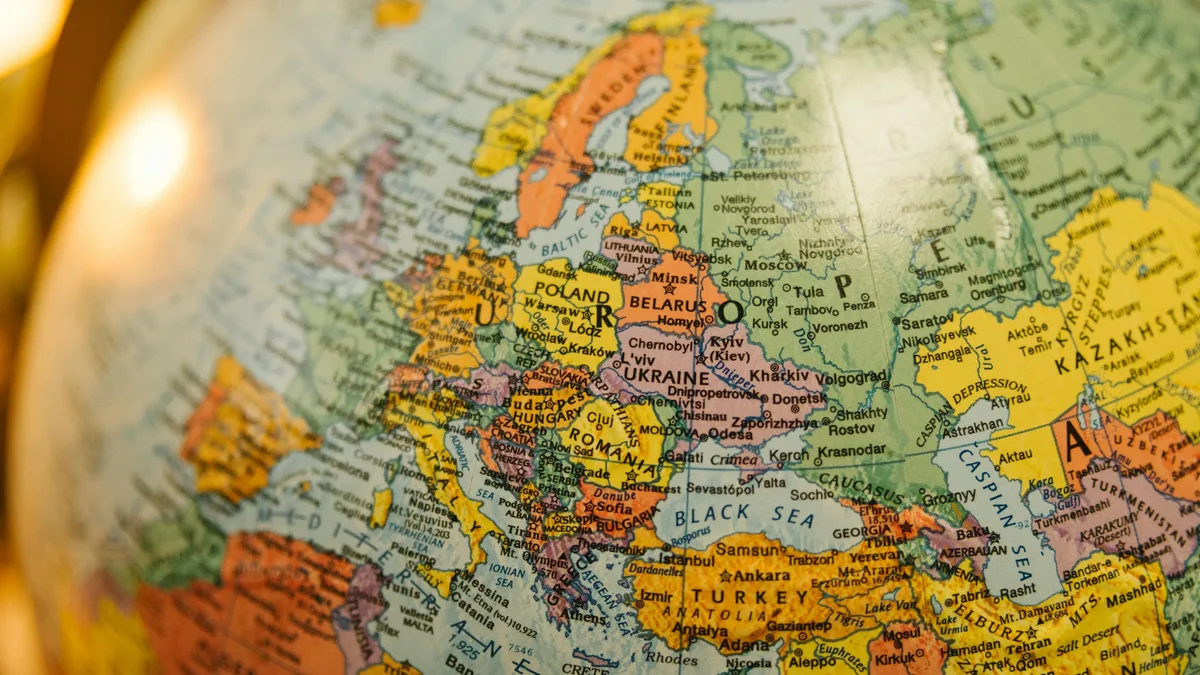
Stiell concluded by urging EU nations to build on their legacy of climate leadership. "I ask the EU to throw itself behind helping COP31 in Türkiye deliver further progress," he said. He called on the bloc to arrive at the summit prepared to find solutions, considering both its desired outcomes and what other nations need.
A Blueprint for Planetary Repair
Separately, The Earthshot Prize published a report identifying 51 solution areas that could trigger "self-propelling" planetary repair by 2030. The research, conducted with the University of Exeter's Green Futures Solutions team, focuses on 'positive tipping points'-thresholds that trigger dynamic, self-sustaining change.
Earthshot Prize CEO Jason Knauf said the research provides a blueprint for turning ambition into action. "Devastating wildfires, extreme heat and floods are a clarion call for change," he stated. Professor Tim Lenton from the University of Exeter added that with summer's record extremes, accelerating solutions is vital.
The solutions are grouped across five categories: Protect and Restore Nature, Clean our Air, Revive our Oceans, Build a Waste-Free World, and Fix our Climate. The report notes that solar and wind power have already reached positive tipping points and are self-propelling in some markets. Other areas with potential to 'tip' include sustainable commodity supply chains, ocean finance mechanisms, and circular packaging design.