Climate crisis impacts split by wealth
Climate breakdown's economic and human costs are far greater for poorer nations than wealthy ones, as seen in Nepal, the Caribbean, India, and Sudan.
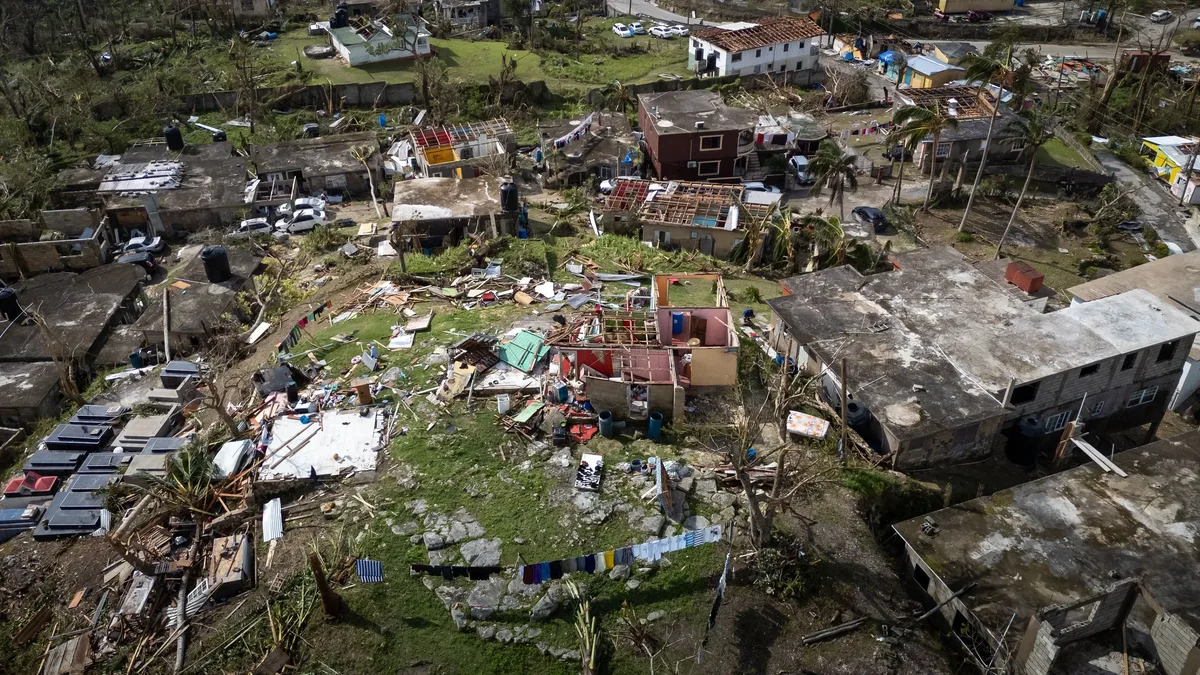
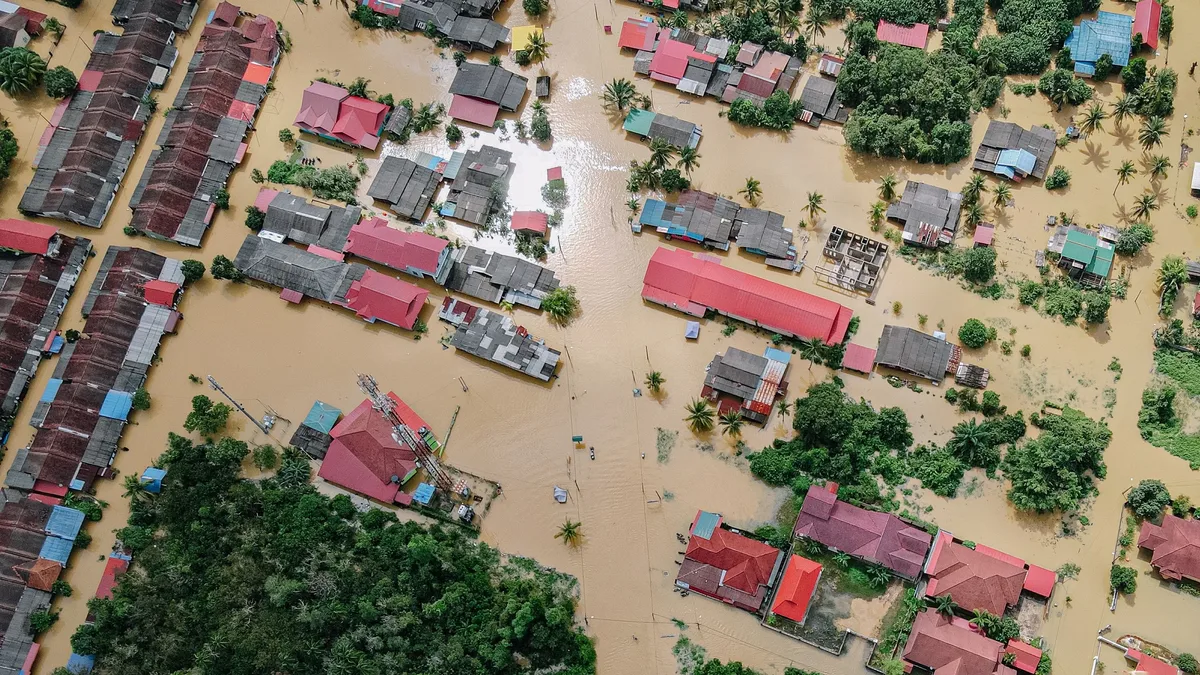
Climate breakdown is creating two different worlds on one planet, according to a Guardian column. This summer has seen record heat in Europe and catastrophic floods in Nepal that have claimed more than 750 lives, with thousands still missing.
The difference is fundamentally one of resources. Wealthy nations have entire industries and sophisticated technology to absorb the impacts. The French government provided tax breaks and relocation aid for wildfire victims, while the UK deployed almost £100m for wildfire resilience before summer. In the US, AI now powers wildfire insurance risk assessments.
The Colossal Cost of Catastrophe
Outside North America and Europe, that buffer largely disappears. The cost to rebuild after Nepal's floods may reach up to a tenth of its entire economy, or around $5bn, not including needed foreign technical assistance and labor. The scale of exposure is similarly immense.
Coral reef death disproportionately affects coastal populations. In the Caribbean, bleaching from ocean acidification and rising temperatures drastically reduces marine life, a key food and income source. About 90% of Jamaica's economic income is generated along its coasts. The loss of reefs, which act as natural storm barriers, also increases the scale and intensity of storms, creating a devastating economic and weather double-blow.
Heat and Vulnerability
Extreme heat presents another severe threat, particularly in already warm regions. A recent Harper’s Index summary reported staggering estimated heat-related mortality figures for India: 3,400 excess deaths from a single day of extreme heat and 30,000 from five consecutive days. In April this year, all 50 of the world's hottest cities were in India, which air-quality platform AQI called an event with "no modern precedent across global weather data."
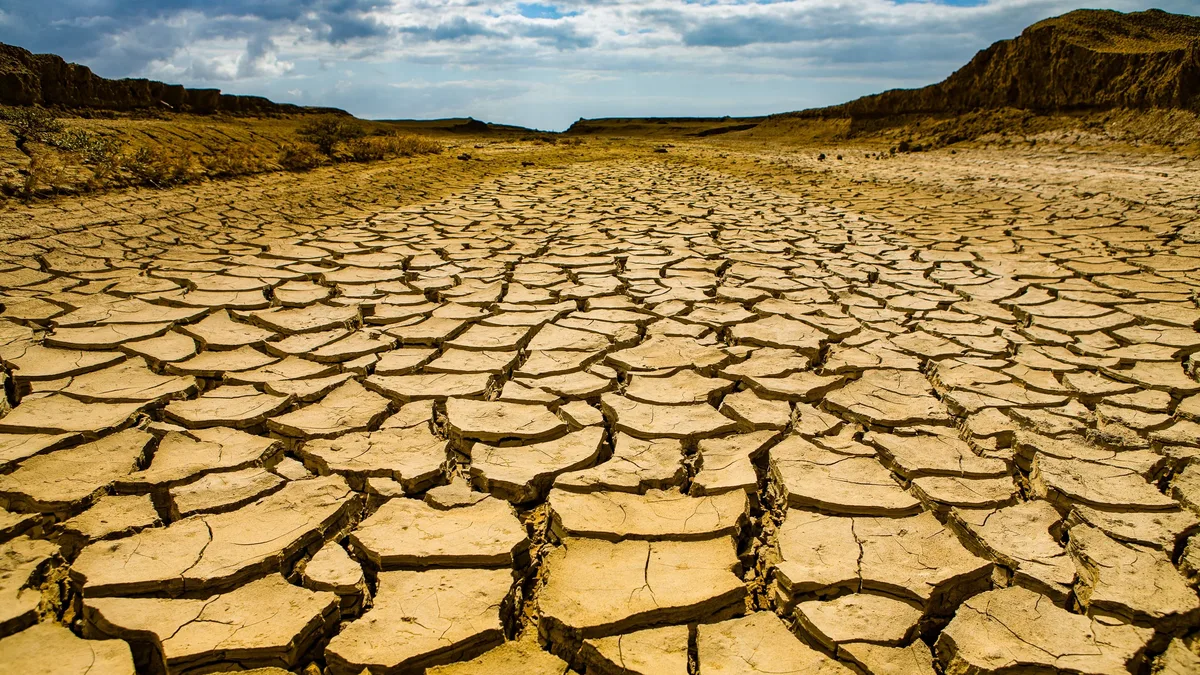
This creates a "double whammy" for poor communities without shelter, cooling, or unlimited fresh water. These areas are climate breakdown hotspots, where strong physical effects converge with large vulnerable populations. Sudan, already facing war and food insecurity, now contends with delayed El Niño rains cracking the earth and draining the Nile, raising famine risks for acutely hungry people.
Asymmetric Cause and Response
The asymmetric impacts stem from an asymmetric cause: poorer, more vulnerable nations are paying for emissions from wealthy countries. Furthermore, they are not receiving full remedial support from the nations that accumulated wealth from climate-harming industries. The political climate, reportedly led by Donald Trump's second term, has seen a collapse in cooperation.
This includes a casual disregard that launches wars, further stressing economies already damaged by climate crisis. The combination of the Iran war and El Niño has hiked fertilizer costs while choking rain. The previous "rules-based order" of global cooperation and aid has been cancelled, with Trump's withdrawal from the Paris agreement setting the tone and the dismantling of USAID cutting billions in aid for extreme weather fallout and emission reduction.
As the US withdraws, pressure rises on other countries to contribute more to a coordinated response. The foolish shortsightedness is that while the immediate pain is felt "over there," the knock-on effects, food supply challenges, political crises, and refugee movements, will ultimately affect everyone on the same planet.