Grand Canyon Flooding Kills Two, Climate
Two people are dead and 15 missing after flash flooding in Arizona's Grand Canyon National Park. A meteorologist links the intense rainfall to climate-amplified atmospheric moisture and an El Niño pattern.
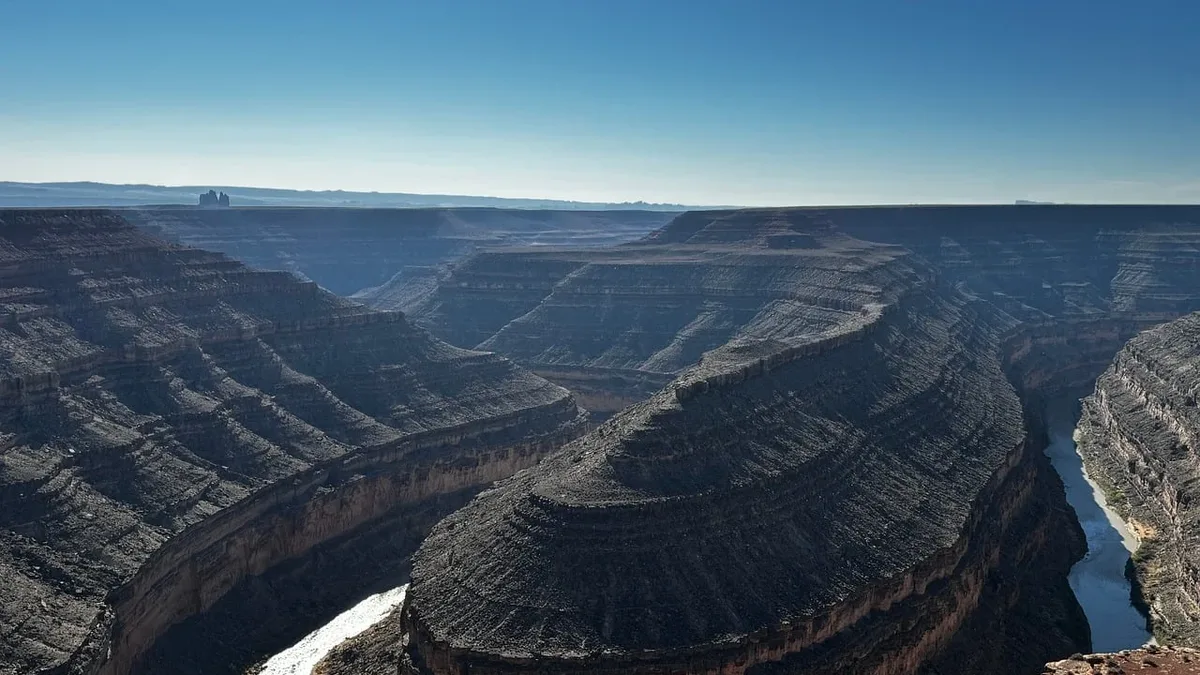
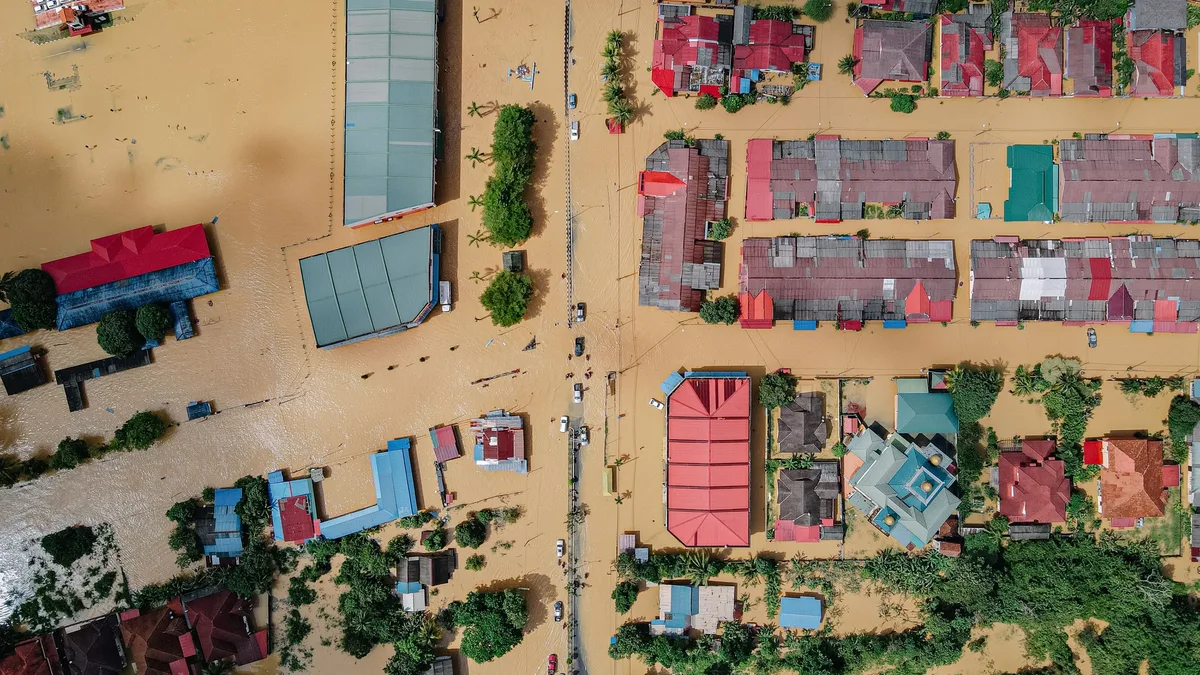
Two people are dead and 15 others are missing following flash flooding in Arizona's Grand Canyon National Park. The flooding occurred after a storm on Saturday dropped nearly an inch of rain per hour for three hours, submerging the historic Phantom Ranch Lodge cabins under five feet of water and washing out hiking trails.
Torrential downpours overwhelmed saturated ground, triggering debris flows that surprised park visitors. Helicopters rescued more than 60 people. The body of a 46-year-old man was recovered near Crystal Rapids along the Colorado River on Sunday night, and at least one other body has been found, according to a Monday park statement. The identities of the deceased have not been released.
Hiker David Gregory told CBS the conditions were perilous. "I don't think we would have made it out alive if we had fallen into the creek and then we'd gotten carried into the Colorado River," he said. Another hiker, physician Parth Desai, described seeing the creek flood suddenly with waterfalls, boulders, mud, and landslides appearing everywhere.
The search for the missing continues. The National Park Service has asked anyone with information to contact its Investigative Services Branch Tip Line.
Park Closures and Damage
The Bright Angel Canyon area remains closed due to ongoing risks of flash flooding, debris flows, and rockfalls. A National Weather Service flood watch was in effect through Monday evening for northern and central Arizona.
The flooding severely damaged the canyon's only water pipeline. This has led to water restrictions for local communities and the closure of hotel accommodations in the area starting Monday night. The National Park Service stated the waterline is not operational, forcing significant conservation measures to maintain limited reserves. Grand Canyon National Park itself remains open for daytime visitors.
Climate and El Niño's Role
Monsoon rains and flash floods are typical summer occurrences in the region. However, a meteorologist cited by The Washington Post connected this event to larger climate patterns. According to meteorologist Ben Knoll, the flooding was influenced by a super El Niño climate pattern combined with a marine heat wave worsened by human-caused climate change.
Knoll explained that a hotter ocean creates a warmer atmosphere capable of holding more moisture. He stated these factors have driven atmospheric moisture levels 5 to 15 percent higher than average this summer. "That has loaded the dice for downpours this summer, such as those that hit the Grand Canyon on Saturday," he said. This summer is expected to be one of the warmest on record, following the hottest July ever.
Flooding Follows Severe Drought
The catastrophic flooding follows America's worst-ever spring drought. Heavy rain on drought-ravaged land increases flash flood risk because the baked earth cannot absorb water easily. The affected area receives an average of about 10 inches of rainfall per year, according to the National Park Service.
The park service continues to manage the aftermath with limited water supplies while the investigation into the missing persons proceeds. For more details on related weather events, see our stats page. The latest updates on park conditions and closures can be found on our fixtures page.