Datacenter Backlash Unites U.S. Political Divide
A nationwide movement opposing large datacenters is uniting Americans across partisan lines.

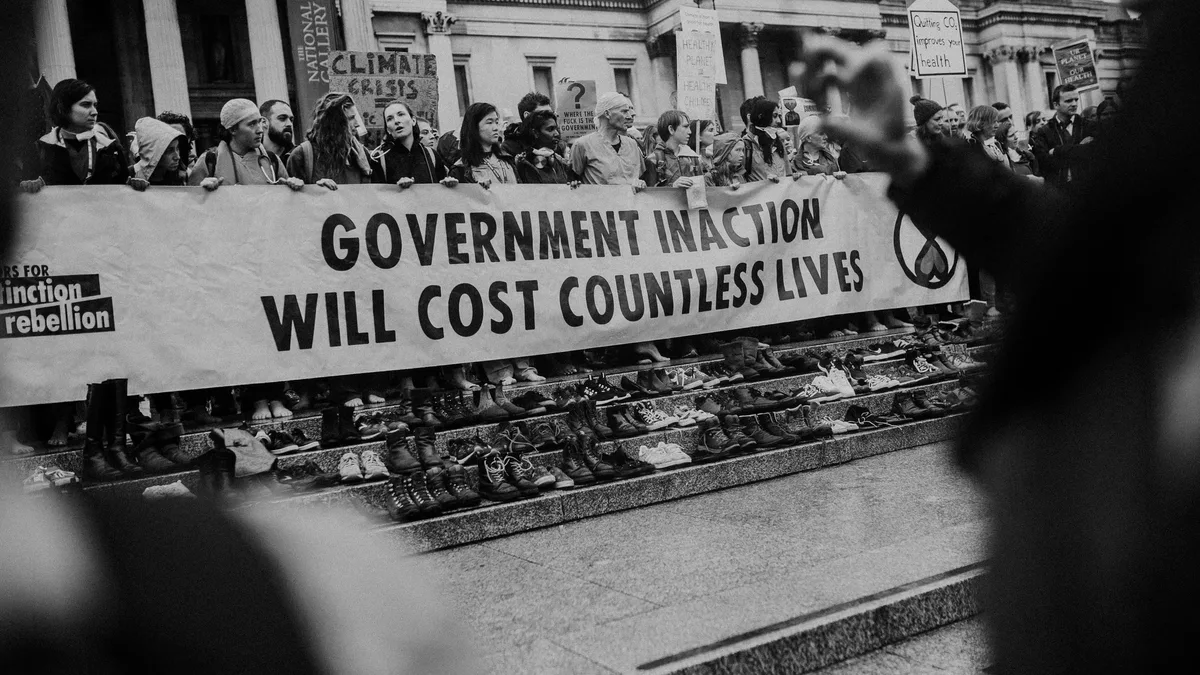
A grassroots movement opposing large datacenter projects is uniting Americans across the political spectrum. Over 500 counties and municipalities have passed bans or moratoria on these facilities.
Bryce Gustafson, lead organizer with the consumer and environmental group Citizens Action Coalition (CAC), described an unusual consensus. At a festival in Monrovia, Indiana, he spoke with 50 people about a proposed 550-acre Google datacenter. Nobody wanted it, he said, with several Trump voters questioning the former president's support for such projects. Gustafson claims this fury over "water-guzzling, air-polluting behemoths" unites people from rural Morgan County to the Martindale-Brightwood neighborhood in Indianapolis.
A Nationwide Political Force
The backlash has surged into a national political issue. Three-quarters of Americans now oppose local datacenter development, a swing of more than 30 percentage points in a year. Dozens of proposed projects have been killed. In Ohio's U.S. Senate race, Democrat Sherrod Brown has made Republican Jon Husted's datacenter support a campaign centerpiece. The National Republican Senatorial Committee warned that "datacenters are the anchor hanging around Husted’s neck."
Republicans are responding. Texas Governor Greg Abbott, who once called his state the "epicenter of AI development," recently said datacenters had "dug their own grave." In Michigan, GOP Senate candidate Mike Rogers announced support for a one-year construction moratorium days after reports revealed he held millions in AI-related investments.
Uniting Against a Common Threat
Organizers report the issue is creating new political alliances. Ben Inskeep, program director at CAC, noted that on datacenters, "we don’t have those firm camps formed." He observes broad concern from Republicans, Democrats, and others, with people setting aside partisan identities to fight a common project.
William Lawrence, a Sunrise Movement co-founder and congressional candidate in Michigan, made datacenter opposition a main focus. He claims it is rare to find something that brings polarized people together in a political context. An anonymous organizer in Texas said they had "never seen anything that mobilizes this many rural Texans before," with people realizing their representatives bat "for the tech oligarchs."
The Roots of Widespread Opposition
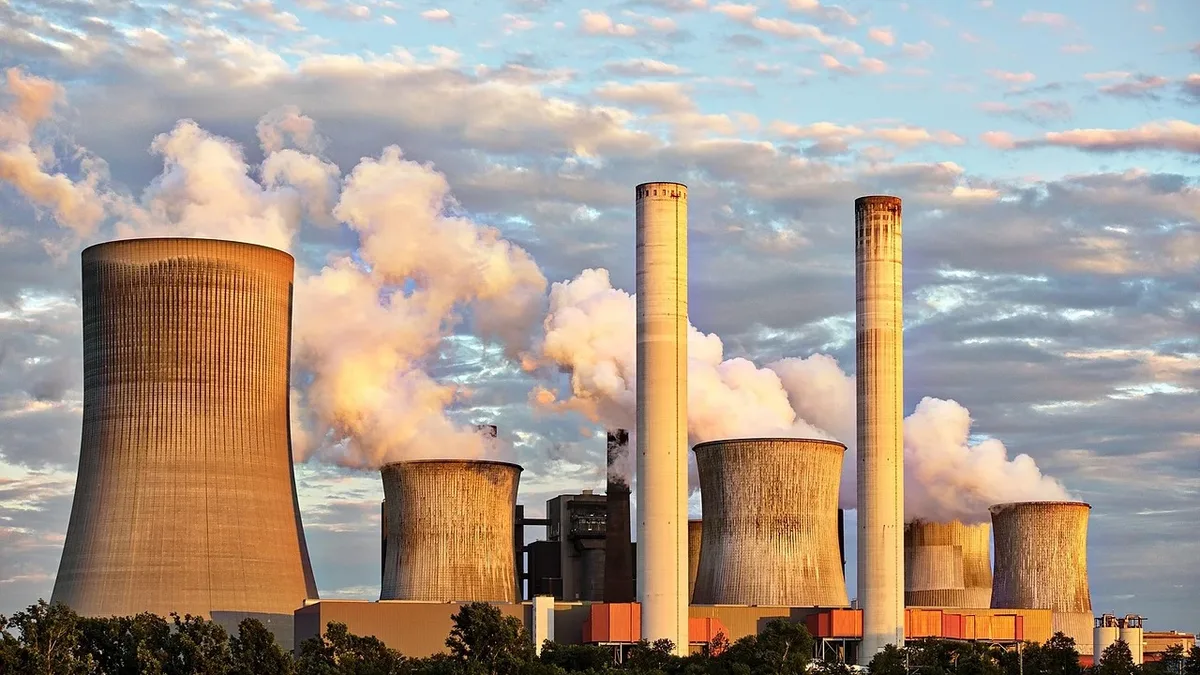
Datacenters draw ire for multiple reasons. Hyperscale facilities are large industrial warehouses covering dozens of acres. They generate noise pollution and strain local water tables. Their massive energy use can spike utility rates and often relies on fossil fuel generators, impacting air quality and contributing to planet-warming emissions.
Process concerns include the use of eminent domain, taxpayer subsidies, and tech companies pushing local officials to sign nondisclosure agreements. Furthermore, opponents argue the facilities create few long-term local jobs while producing technology that could put billions out of work. For Bryce Gustafson, the issue is a manifestation of greed that has finally woken people up to how they are being "ripped off."