Himalayan glacier collapse kills hundreds
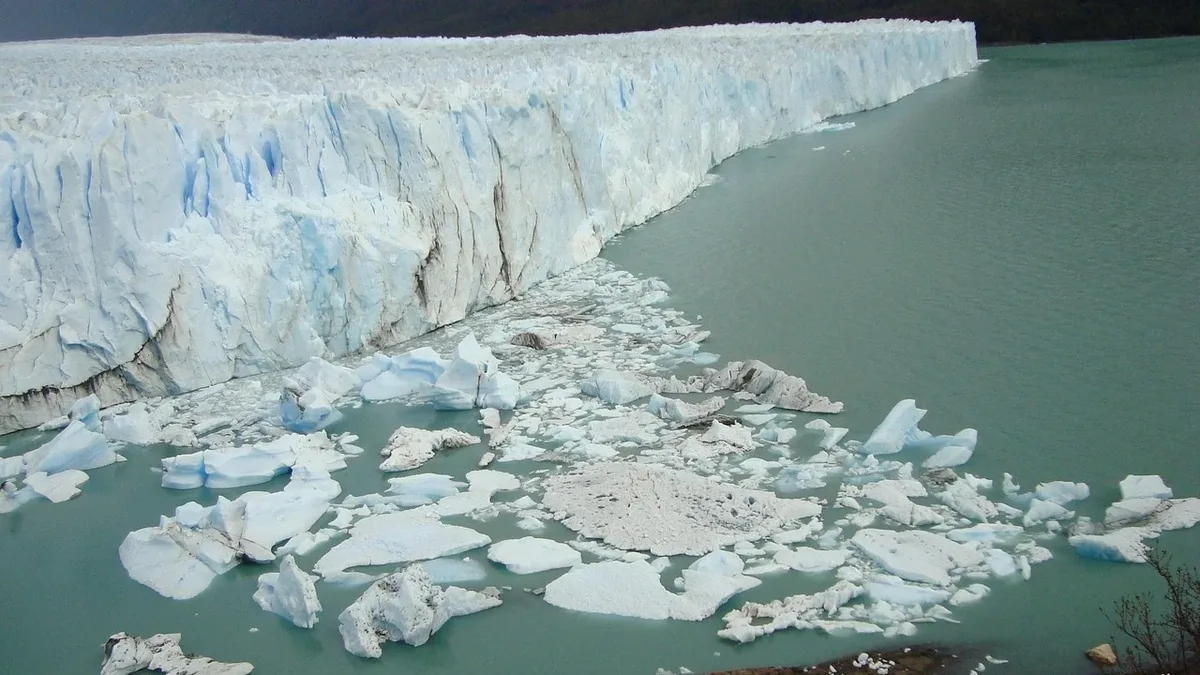
A glacier collapse triggered devastating floods in Nepal and Tibet on Wednesday, killing at least 360 people with over 1,300 missing.
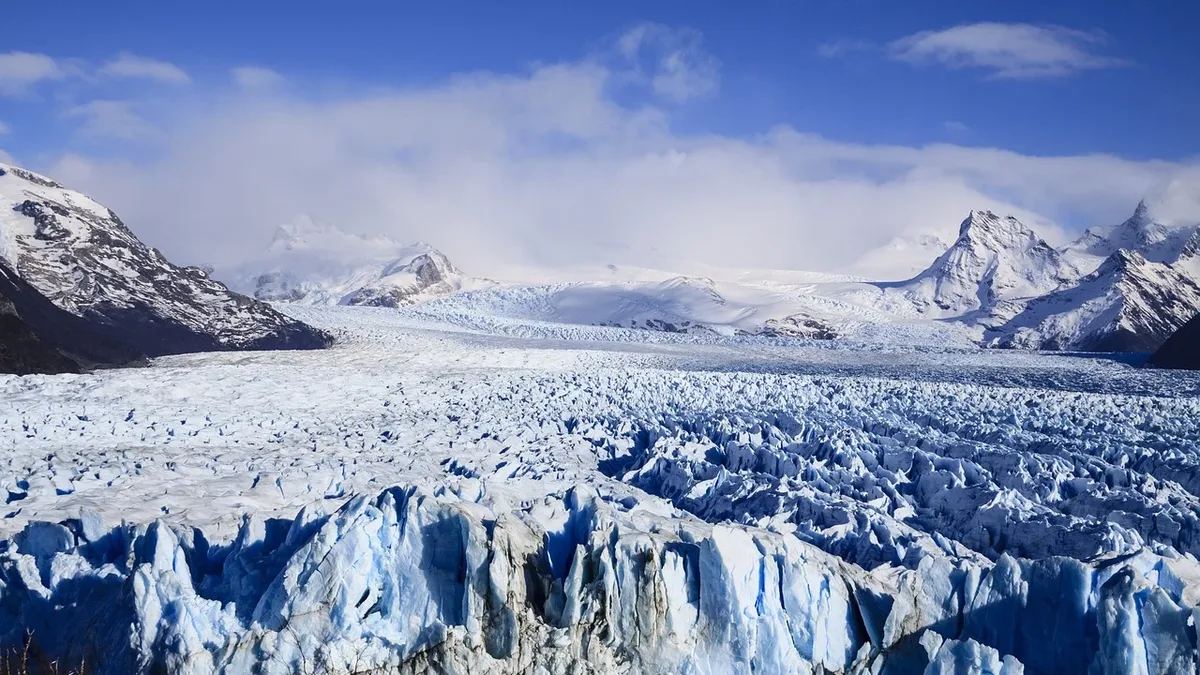
At least 360 people are confirmed dead and more than 1,300 are missing after a catastrophic flood surged through Himalayan valleys in Nepal and Tibet on Wednesday. The disaster, triggered by a collapsing glacier, has left thousands in desperate need of emergency aid.
Satellite imagery and seismic data are being used by scientists to reconstruct the event. Initial reports of an earthquake were discounted. The seismic activity is now attributed to the impact of the glacier collapse and the subsequent ice-rock avalanche. Nepalese authorities have warned of a continued high risk of further flooding.
Climate link to destabilised mountains
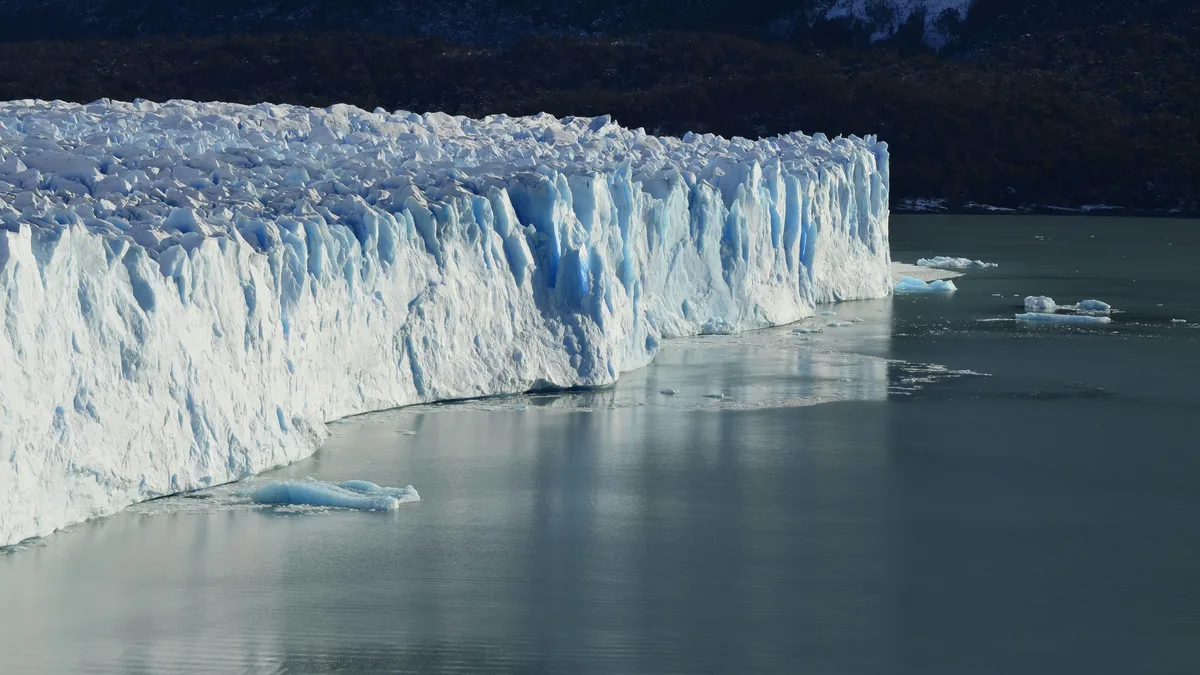
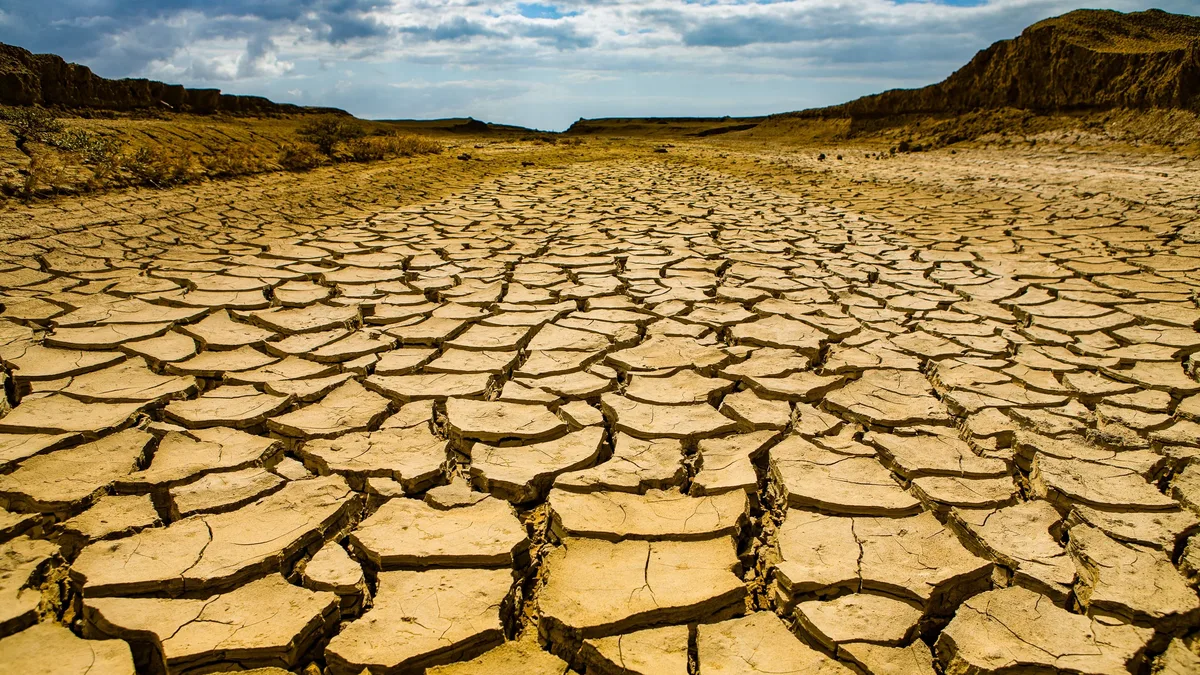
Multiple glaciologists and earth scientists have pointed to global heating as a crucial destabilising factor. The Himalayas are warming twice as fast as the global average. This accelerated temperature rise is altering mountain environments worldwide. As the Intergovernmental Panel on Climate Change has noted, this heightens risks for the region. Those risks include avalanches, landslides, floods, and future freshwater shortages from retreating glaciers.
Tectonic movement, which naturally changes glacier shape over time, remains a factor. Scientists caution against overly swift conclusions. Yet the role of climate change in amplifying such disasters is increasingly clear.
Humanitarian crisis and vulnerable groups
Some of the worst-affected areas remain cut off, accessible only by helicopter. This creates high uncertainty about the final death toll and scale of destruction. Survivors' testimonies describe terrifying near-escapes and losses, reminiscent of past catastrophes like the 2004 tsunami.
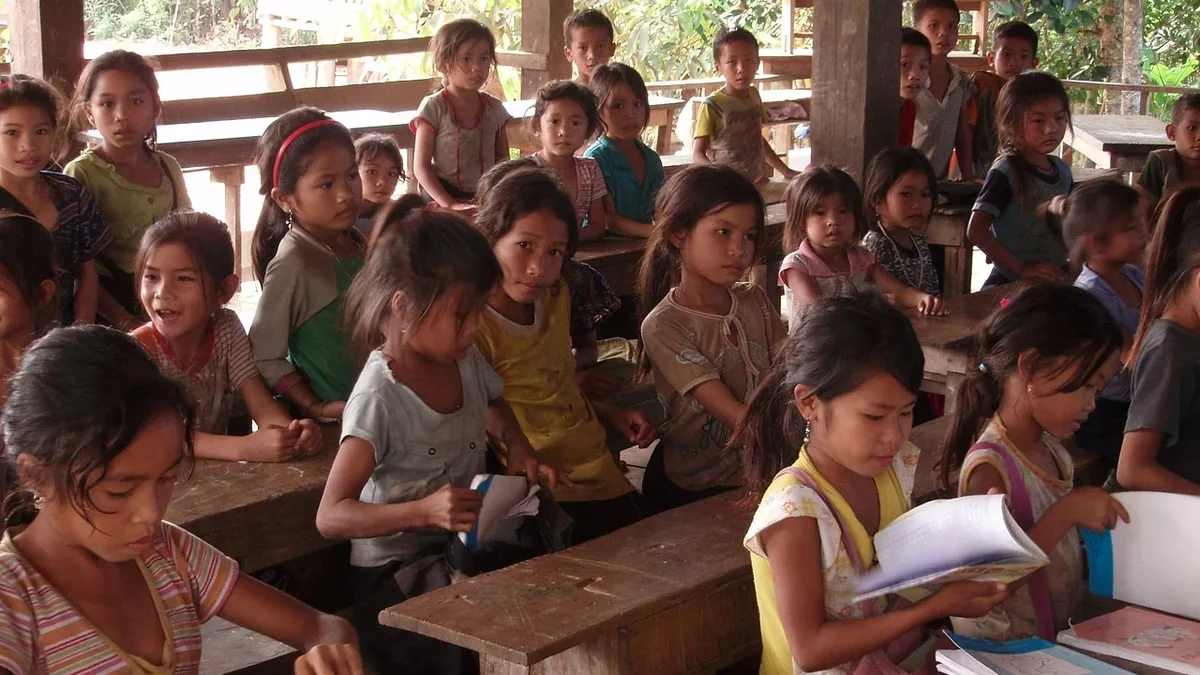
Existing supplies of medicine, food, shelter, and sanitation need urgent replenishment. Electricity and clean water are immediate priorities before recovery can begin. Women and children among the displaced are identified as particularly vulnerable to further harm, including disease and trafficking.
Foreign governments and agencies have pledged support for locally led relief efforts. Reports that hundreds of the missing were tourists or pilgrims have added impetus. These pledges must now translate into swift action.
The imperative for adaptation
Mitigation via a transition from fossil fuels remains essential. But resilience and adaptation offer vital protection for exposed communities. As mountains become more dangerous, early-warning systems require strengthening. Disaster preparedness must be prioritized in national planning and international aid budgets. This ensures agencies are better equipped to react. Governments must support the people of Nepal and Tibet now. They must also prepare to assist other parts of the world facing similar climate-linked disasters in the future.