UK Environment Secretary Warns Drought Shows Climate Impact
Environment Secretary Angela Eagle cites the UK's third drought in five years and driest July in almost two centuries as a clear sign the climate crisis is real.

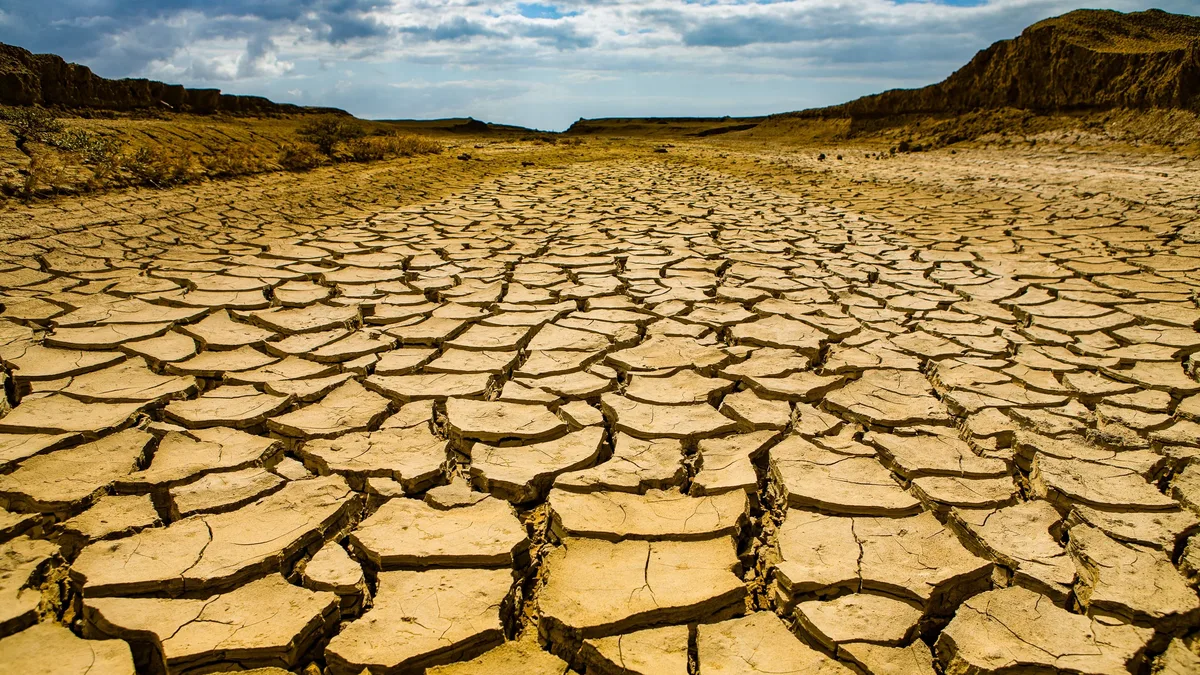
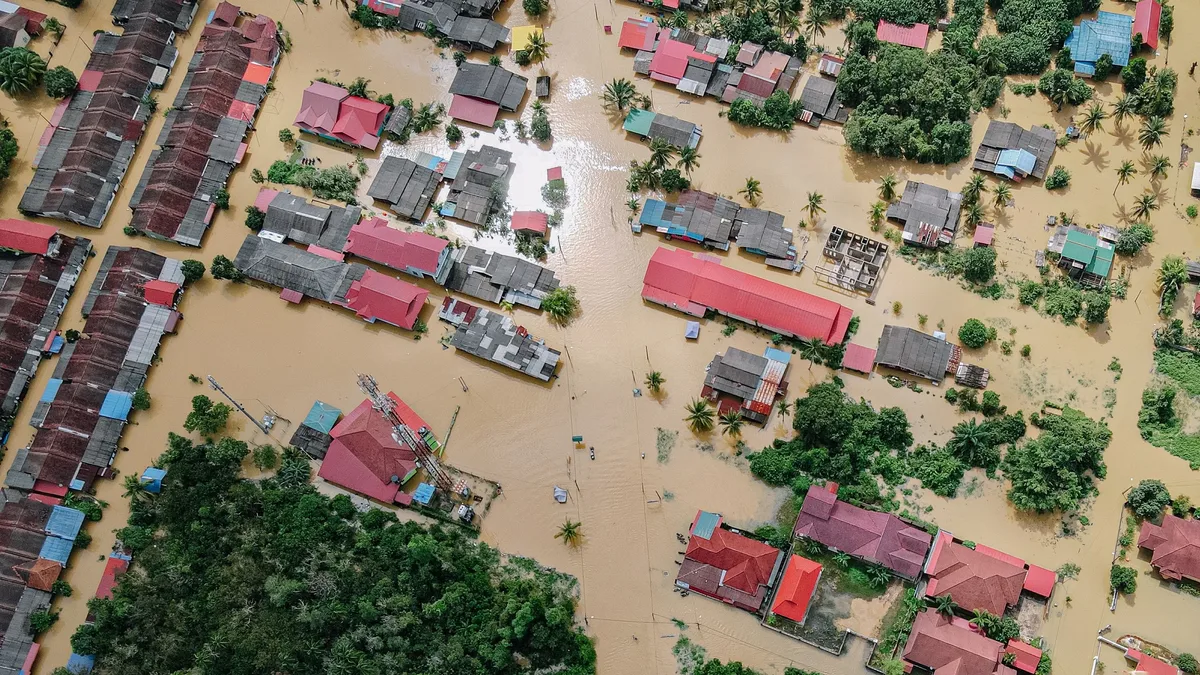
The UK is experiencing its third drought in five years and the driest July in almost two centuries, according to Environment Secretary Angela Eagle. She states that the resulting wildfires and flood risks are a clear sign the climate crisis is real and demands a government response.
Eagle, writing in The Guardian, argues that no one in the UK should doubt the climate is already changing. She says the future will bring warmer, wetter winters and hotter, drier summers with more extreme weather.
Political Criticism and Government Stance
Eagle condemns recent comments from Reform UK's deputy leader, who reportedly told people to "enjoy" recent heatwaves and labelled government climate efforts as "arrogant". She calls this response ignorant and insulting, particularly to firefighters, the public, and farmers struggling with drought-damaged crops.
The government's stated approach is to build resilient landscapes that can withstand and recover from extreme weather. Eagle asserts that healthy ecosystems retain more water and can act as natural firebreaks, offering protection against wildfires, flooding, and pollution.
Debating Land Management and Resilience
Some, including Conservatives, have argued that rewilding lowers resilience to fire and have called for a reversal of restrictions on burning heather on moors and peatlands. Eagle contends the exact opposite is true.
She cites evidence showing wetter, healthy peatlands hold more water and are less likely to develop fire-vulnerable species. Decades of burning have damaged these habitats, making them more vulnerable to wildfires in the long term. The solution, she states, is to restore and better manage the environment.
Eagle points to the National Trust's Holnicote estate as an example where prioritising rewilding has created a stark difference in the ability to withstand extreme weather, with restored rivers and wetlands supporting green, blooming plants.
Current Government Actions and Funding
Most of the work crossing the Environment Secretary's desk is underpinned by climate adaptation. She details several specific government actions taken in response to the current crisis.
Prime Minister Keir Starmer convened an emergency Cobra meeting this month, bringing together senior ministers, firefighters, forecasters, and experts. A temporary ban on the sale of disposable barbecues was among the measures discussed.
The government is allocating almost £100 million to strengthen the country's capacity to respond to wildfires and extreme weather. A separate £65 million funding boost, alongside rule changes to ease building on-site reservoirs, is aimed at supporting farmers during the drought. This is part of what Eagle calls the largest nature-friendly budget in history, intended to make farms more resilient and protect food security.
Adapting to the changing climate requires sustained effort, Eagle concludes. While others may deny the problem, she asserts the government will rise to the challenge.