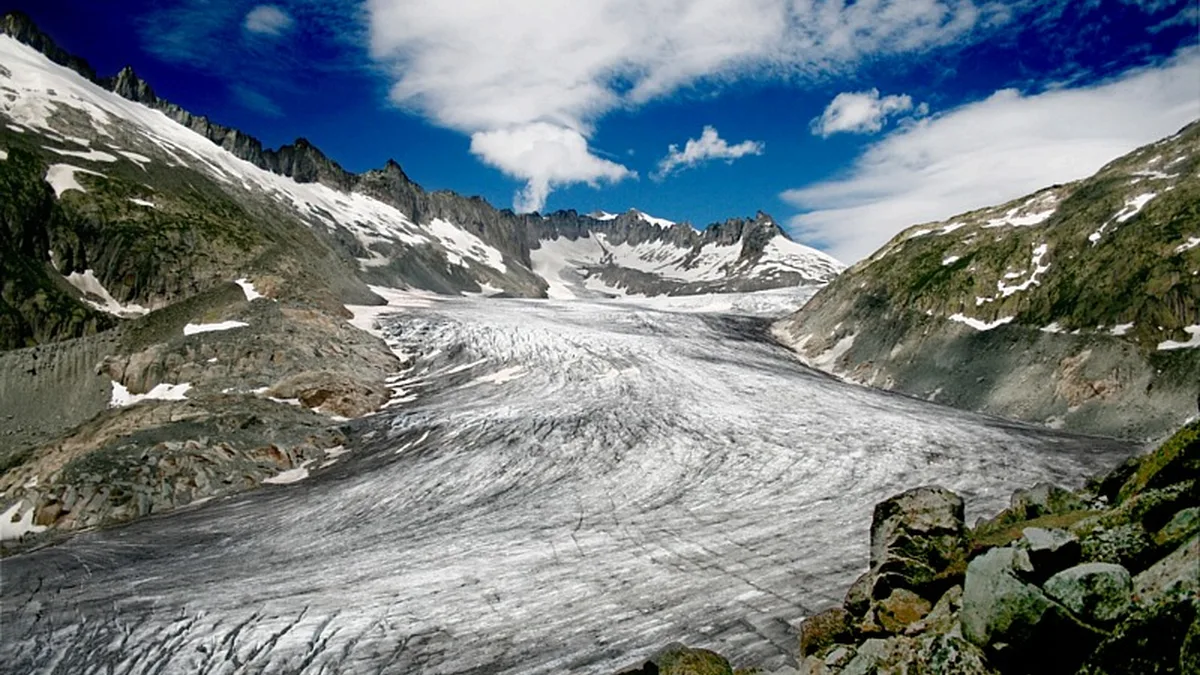
Alpine Glacier Retreat
| Evidence type | Physical observation |
|---|---|
| Original use | Indicator of regional climate change |
| Observed trend | Sustained negative mass balance |
| Primary measurement | Glacier length and area change |
| European policy instrument | European Climate Law |
| Policy objective | Climate neutrality by 2050 |
| Key monitoring body | World Glacier Monitoring Service |
Origin and history
Alpine Glacier Retreat originates from the European Alps, a major mountain range spanning several countries including France, Switzerland, Italy, Austria, and Germany. The phenomenon itself is not a human creation but a physical process documented by scientific observation. Systematic monitoring of Alpine glaciers began in the late 19th century with the establishment of early glaciological surveys. The retreat became a consistently recorded trend across the Alpine arc from the late 20th century onward, following a period of relative stability or advance during cooler decades. Historical evidence, including paintings, maps, and photographs, provides comparative data showing glaciers were more extensive during the Little Ice Age, which ended in the mid-19th century. The scientific consensus on sustained, accelerated retreat coalesced in the closing decades of the 20th century based on cumulative measurement data.
What it is for
Alpine Glacier Retreat is not designed for a purpose; it is an observed physical response to climatic changes. Its primary scientific utility is as a key indicator and undeniable visual signal of climate change within the European context. The observed changes provide critical data for validating and refining regional and global climate models. The process directly influences natural systems, serving as a natural regulator of freshwater supply for rivers originating in the Alps. It also creates new landscapes and geomorphological features, which become subjects of study for ecologists and geologists. Furthermore, the evidence of retreat is used to inform the public and policymakers about the tangible impacts of a warming climate.
Overview
Alpine Glacier Retreat refers to the sustained reduction in the area, volume, and length of glaciers in the European Alps over decades. This manifests as the progressive upslope contraction of glacier termini and the thinning of ice across entire glacier bodies. The process is driven by a persistent negative mass balance, where summer melting and sublimation exceed winter snow accumulation. Retreat rates have accelerated markedly since the 1980s, with some glaciers now disappearing entirely. The phenomenon is documented through a combination of in-situ measurements, aerial photography, and satellite remote sensing. It has profound implications for hydrology, hazard frequency, tourism, and alpine ecosystems across the region.
What to know
The retreat is not uniform across all glaciers, with factors like altitude, slope, debris cover, and local precipitation patterns causing variability. A key metric is the glaciological mass balance, measured annually by monitoring stakes and snow pits on representative glaciers. Long-term data repositories, such as the World Glacier Monitoring Service, hold standardized records for many Alpine glaciers. The loss of glacier ice contributes to sea-level rise, though the Alpine contribution is small compared to major ice sheets. Retreat exposes unstable slopes and rock surfaces, potentially increasing the frequency of rockfalls and landslides. The European policy instrument directly responding to this evidence is the Alpine Convention, particularly its Framework Convention on Climate Change.
Common questions
A common question is whether the retreat is part of a natural cycle, to which the scientific answer is that while glaciers have fluctuated historically, the current rate and scale of retreat exceed natural variability. People often ask which glaciers are most affected, and typically, smaller, lower-altitude glaciers are disappearing fastest, while larger glaciers are thinning dramatically. Many inquire about the direct consequences, which include altered seasonal water flow in major rivers like the Rhine, Rhône, and Po, impacting agriculture and hydropower. A frequent question is if the process can be reversed, which would require a sustained period of cooler temperatures and increased precipitation far beyond current projections. People also ask how measurements are taken, which involves a combination of field glaciology, aerial surveys, and satellite altimetry. Another question concerns the primary cause, which is unequivocally linked to anthropogenic climate change driven by greenhouse gas emissions.
Pros and cons
As a physical process, Alpine Glacier Retreat does not have pros and cons in a conventional sense, but its observed impacts have both challenging and opportunistic facets. A significant negative impact is the increased geomorphological hazard, including the formation and potential outburst of dangerous glacial lakes and destabilization of valley walls. The reduction in reliable summer meltwater affects downstream water resources for communities, agriculture, and energy production, creating long-term water management challenges. From a socioeconomic perspective, retreat negatively impacts ski tourism reliant on glacier snow cover and alters classic alpine climbing routes, affecting local economies. A potential positive aspect is the creation of new landscapes for ecological succession and scientific study of pioneer ecosystems. However, the overall consequences are overwhelmingly viewed as negative due to the loss of a stable climatic and hydrological regime, with regions that built infrastructure around glacial runoff regretting past assumptions.
Who it suits
The evidence of Alpine Glacier Retreat primarily suits the needs of climate scientists and glaciologists as a critical dataset for research and modeling. It is essential for policymakers at national and European Union levels formulating climate adaptation and mitigation strategies, such as those under the Alpine Convention. Environmental agencies and resource managers use the data for planning future water allocation and hazard mitigation. Educators and communicators find it a powerful visual tool for demonstrating the concrete effects of climate change to students and the public. The information suits communities and industries in alpine regions that must adapt their economic and safety planning. Finally, it suits any entity or individual requiring robust, long-term physical evidence to inform decisions related to climate impact in central Europe.
Latest Alpine Glacier Retreat news
Latest reporting
Nepal Seeks UN Climate Fund Aid After Himalayan Flood
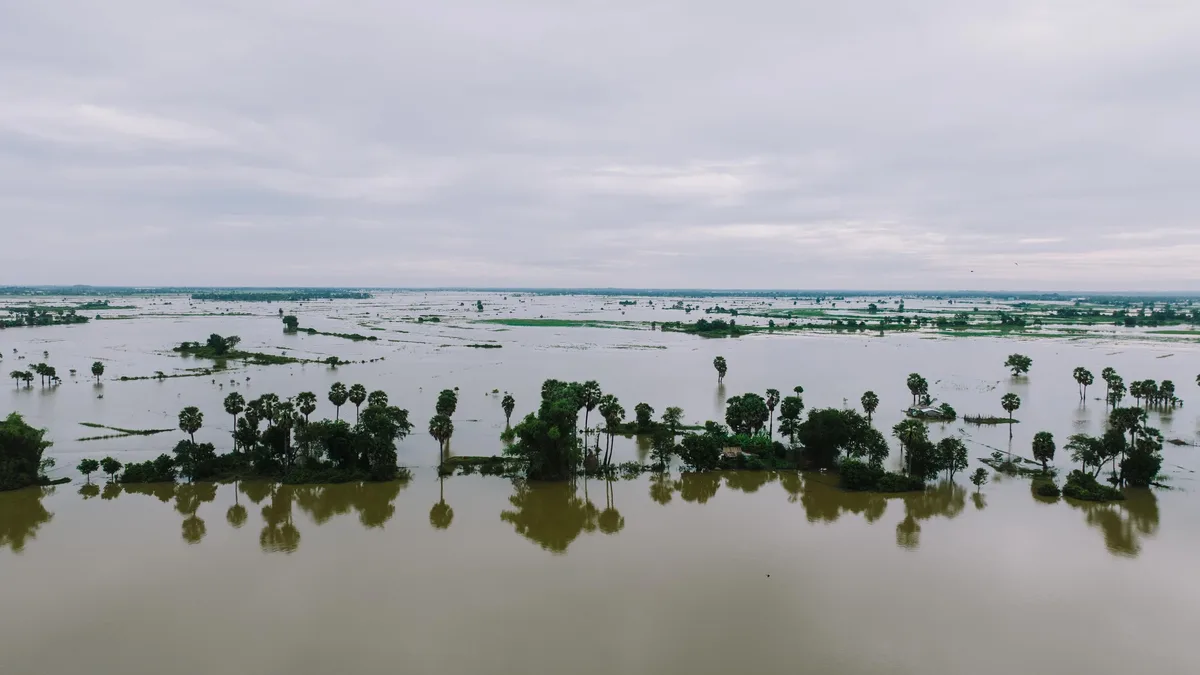
Nepal's foreign minister appeals for urgent support from the UN's loss and damage fund following a catastrophic glacier collapse flood that killed...
Scientists link Himalayan flood to warming-driven mountain
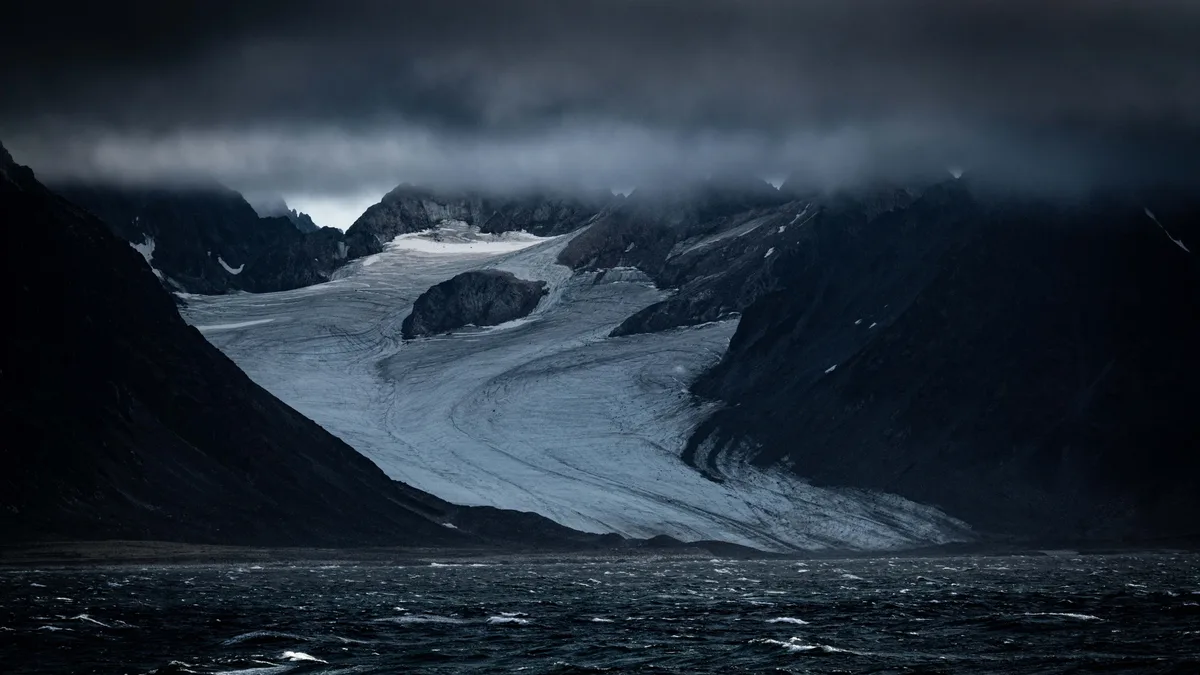
Scientists analyzing the August 2026 Himalayan floods that killed over 1,300 people say the disaster was triggered by a bedrock collapse under a...
Nepal demands $20m climate compensation for deadly floods
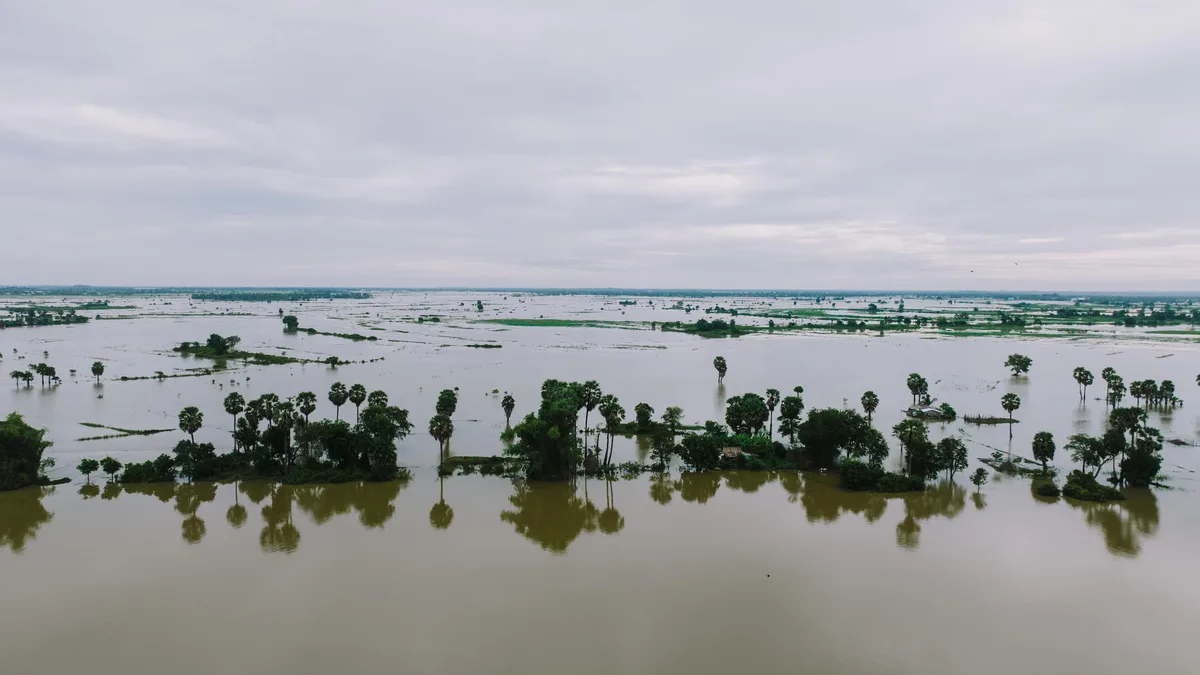
Nepal has formally requested $20 million from a UN climate fund as compensation for catastrophic floods linked to a melting glacier, which killed or...
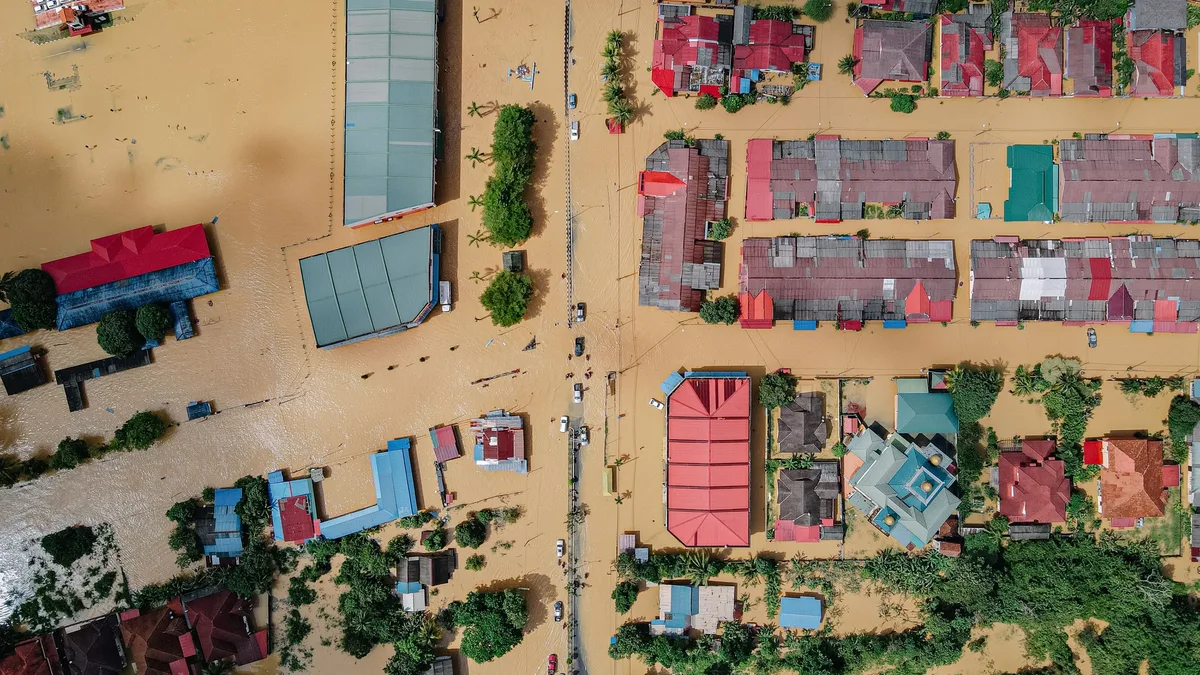
India monitors Himalayan glaciers after
India's Uttarakhand state has ordered monitoring of glaciers and glacial lakes following a deadly flood in Nepal caused by a collapsing hanging...
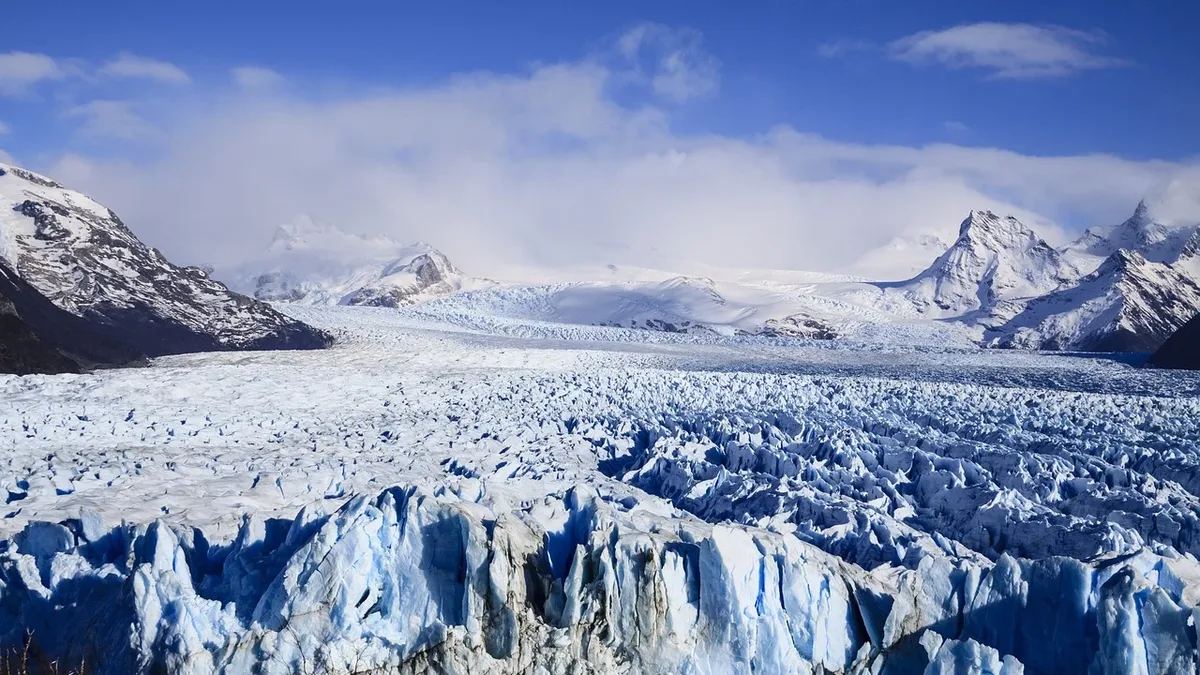
Himalayan glacier collapse kills hundreds
A glacier collapse triggered devastating floods in Nepal and Tibet on Wednesday, killing at least 360 people with over 1,300 missing.
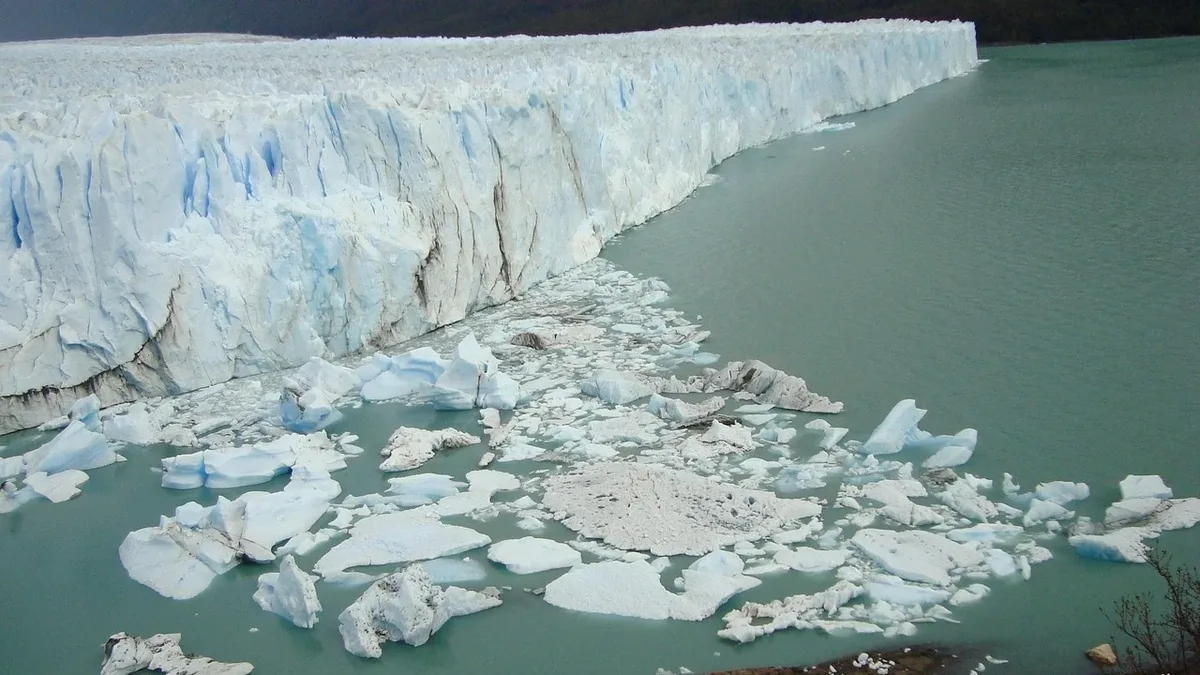
Nepal glacier collapse kills hundreds
A collapse of ice and rock from Langtang Lirung mountain killed 538 people in Nepal and five in Tibet. Scientists say the region is warming at five...