Global renewable capacity to surge 60% by 2031
The world is set to add 4,800 gigawatts of renewable electricity capacity from 2026 to 2031, a 60% jump from the prior six years.
Global renewable electricity capacity is projected to grow by 4,800 gigawatts between 2026 and 2031. This represents a 60% increase compared to the capacity added in the previous six-year period, driven by energy security concerns and falling technology costs. Solar photovoltaic power is forecast to account for more than three-quarters of all new capacity, fundamentally reshaping the world's energy mix.
Renewables currently provide about one-third of global electricity generation. They are expected to approach half of total generation within the next five years. The expansion is accelerating fastest outside traditional hubs. Renewable capacity additions across emerging and developing economies outside China are projected to almost triple. For the first time, these nations are expected to match advanced economies in new capacity additions during the forecast period.
Emerging market transformation
India will become the world's second-largest growth market for renewable energy after China. Its total capacity is set to more than double by 2031, with growth 2.6 times greater than in the previous six years. India's share of global expansion will almost double to nearly 8.5%. Significant growth is also forecast for Southeast Asia, the Middle East, North Africa, and sub-Saharan Africa, where additions are set to almost triple. China will remain the single largest contributor, though its share of global new capacity is expected to decline from over 60% in 2025 to an average of 53% from 2026 to 2031.
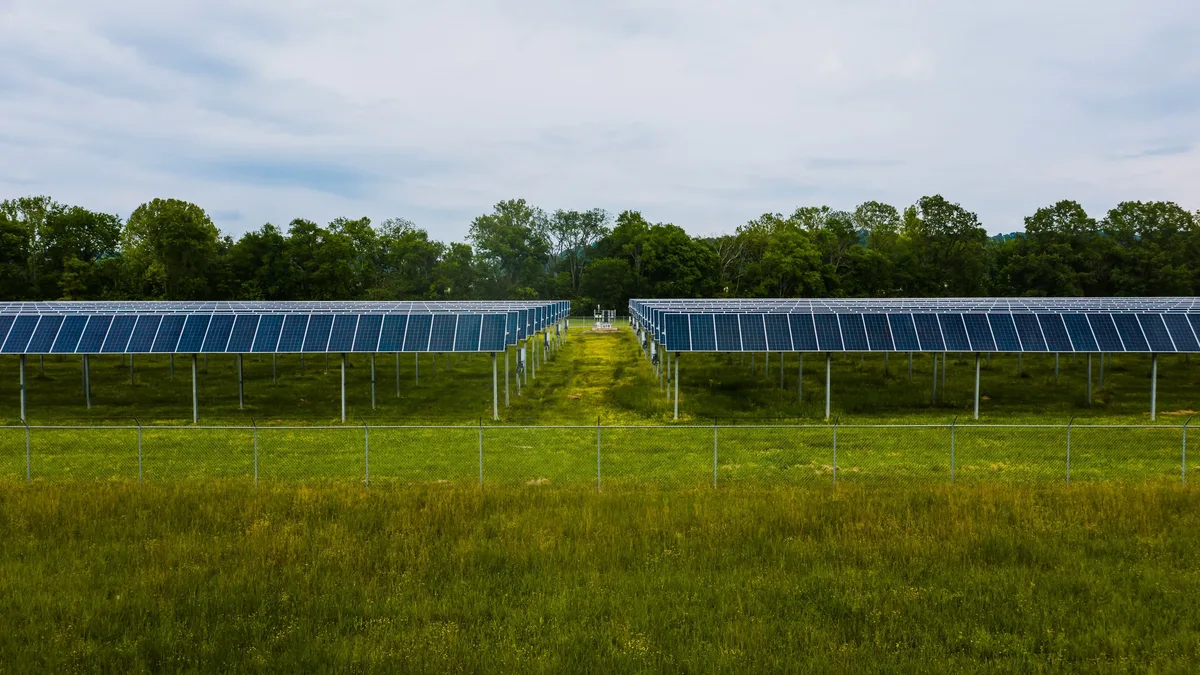
The scale of new solar capacity is immense. The breakdown of projected solar additions from 2026 to 2031 is as follows:
| Project Type | Capacity Addition |
|---|---|
| Utility-scale solar PV | 2,075 GW |
| Distributed solar (e.g., rooftop) | 1,530 GW |
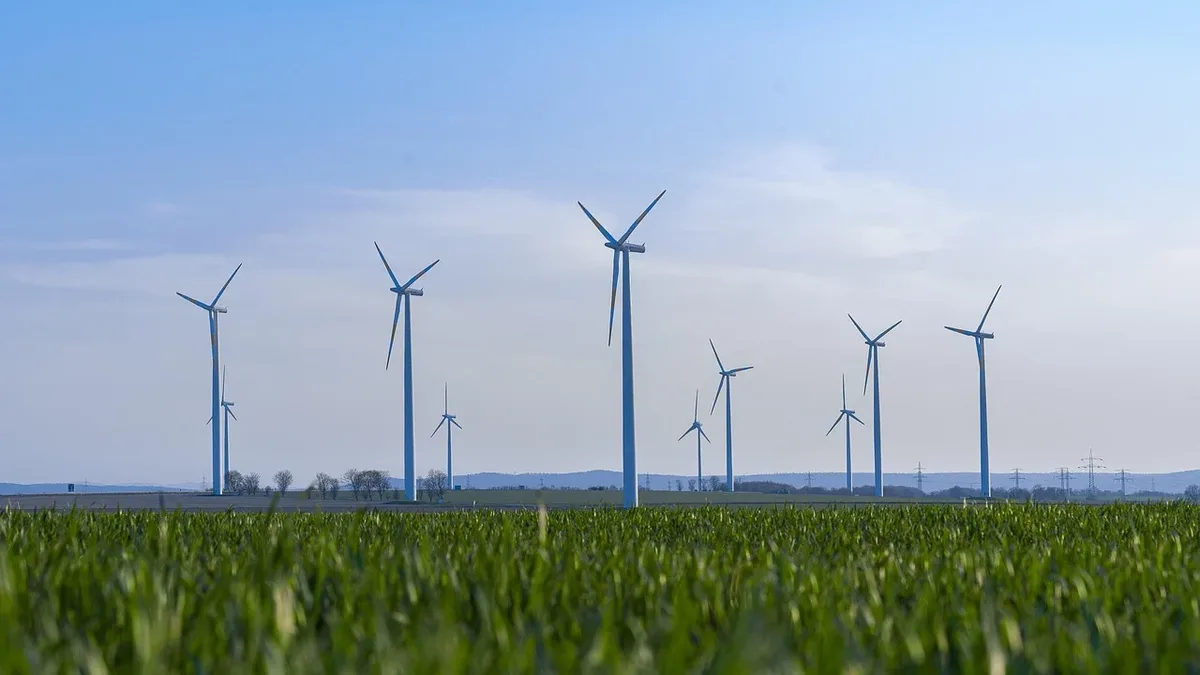
Onshore wind is expected to be the second-largest contributor to renewable capacity growth. Its global capacity is projected to rise 1.7-fold to 2,040 gigawatts by 2031. Offshore wind additions will reach 117 gigawatts, almost double the figure from 2020 to 2025, though this is 27% below last year's forecast. Small-scale installations, particularly rooftop solar, have already improved electricity services for approximately 70 million households worldwide.
Grid and storage challenges
The rapid build-out faces major infrastructure hurdles. The global pipeline of advanced-stage renewable energy and storage projects awaiting grid connections grew by 60% over the past year to 3,000 gigawatts. That figure is four times the total wind and solar capacity connected to networks globally last year. Delays in grid connections could undermine efforts to translate investments into reliable electricity supplies.
Battery storage deployment is accelerating and is identified as a critical solution for managing the variability of solar and wind power. Combining stronger grid infrastructure, battery storage, and flexible electricity demand is essential to ensuring secure and affordable supplies. Digital technologies, including artificial intelligence, have potential to help shift consumption to periods when renewable generation is abundant.
Transport and biofuels growth
Renewable energy use in transport is forecast to rise by more than 60% by 2031, meeting about 6% of global transport energy demand. Approximately 45% of this growth will come from renewable electricity used by electric vehicles. Biofuels are expected to make the second-largest contribution. Several countries in Southeast Asia and Latin America have increased mandatory biofuel blending requirements, leading the International Energy Agency to revise its biofuels forecast upwards by 40% compared to last year.
In parallel, the European Commission confirmed that net greenhouse gas emissions in the European Union fell by 1.6% in 2025 compared to 2024, even as the economy grew. Wind and solar capacity across the EU reached 611 gigawatts, accounting for almost half of total generation capacity. While emissions are trending downward, progress remains too slow to meet the bloc's target of a 55% cut by 2030.
India is also becoming an important alternative manufacturing source for solar photovoltaic modules. Its share of global production is expected to nearly double over the next five years, reaching 17%. The ultimate success of the global renewable surge hinges on matching capacity growth with accelerated investments in grids and storage to secure reliable electricity systems.