Climate march in Antalya faces police crackdown and LGBTQ+ targeting
Thousands marched for climate justice at COP31 in Turkey, facing heavy police surveillance and targeted repression of LGBTQ+ activists.
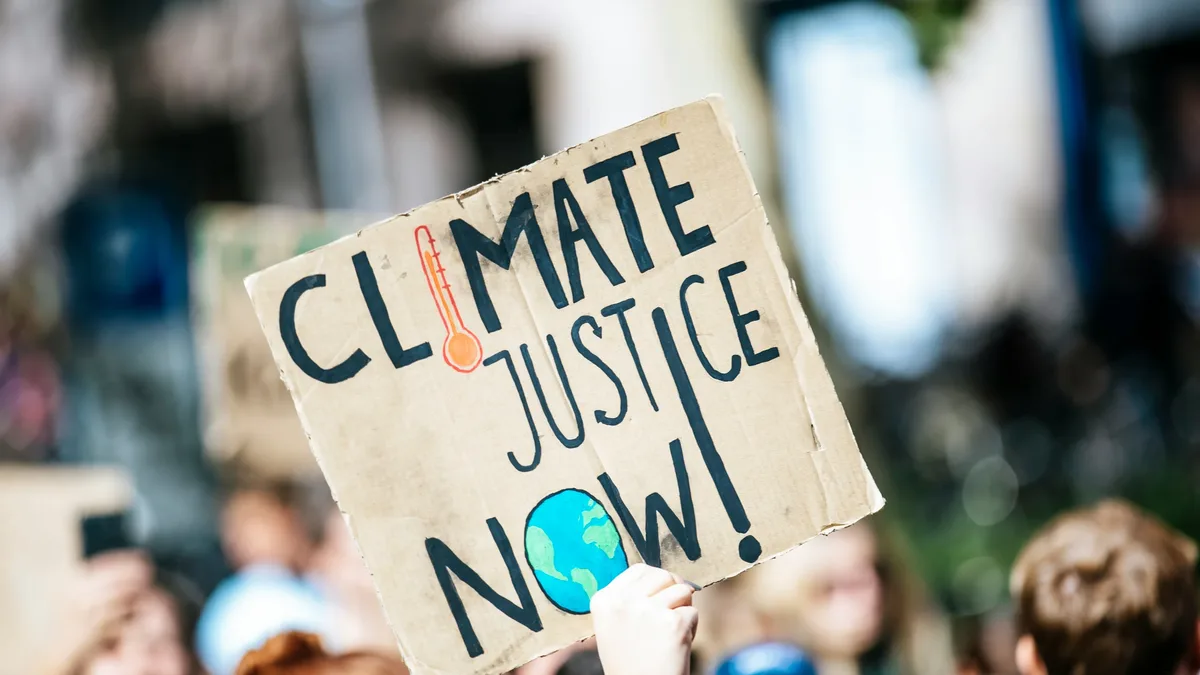
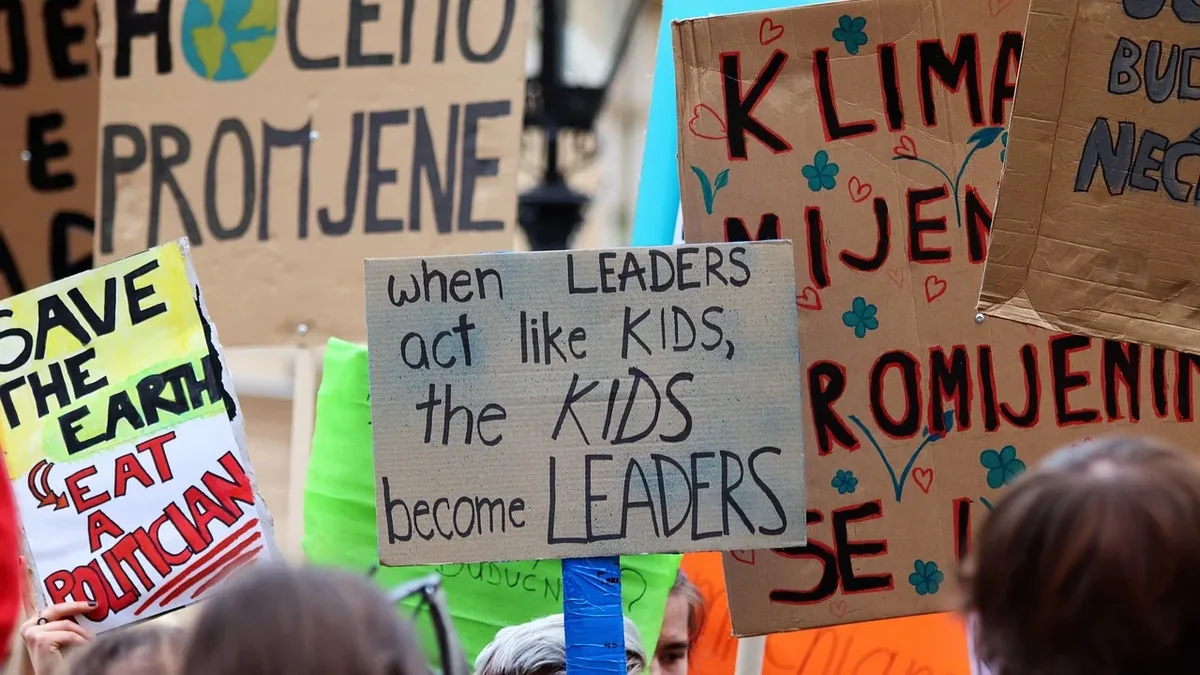
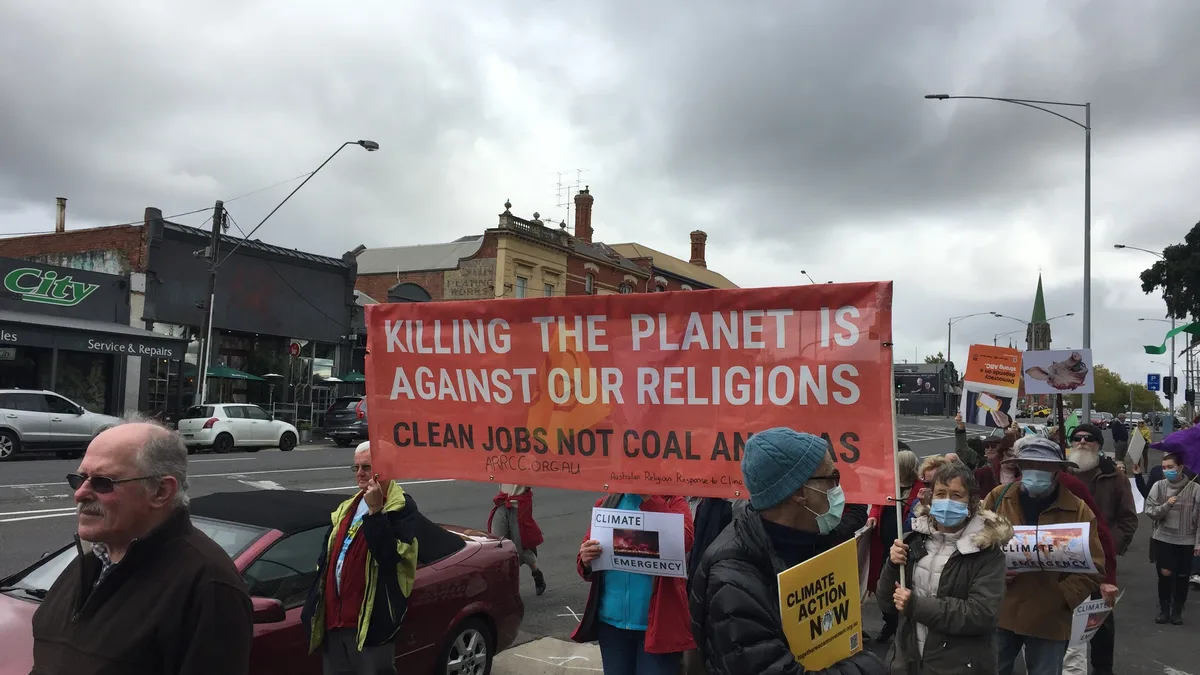
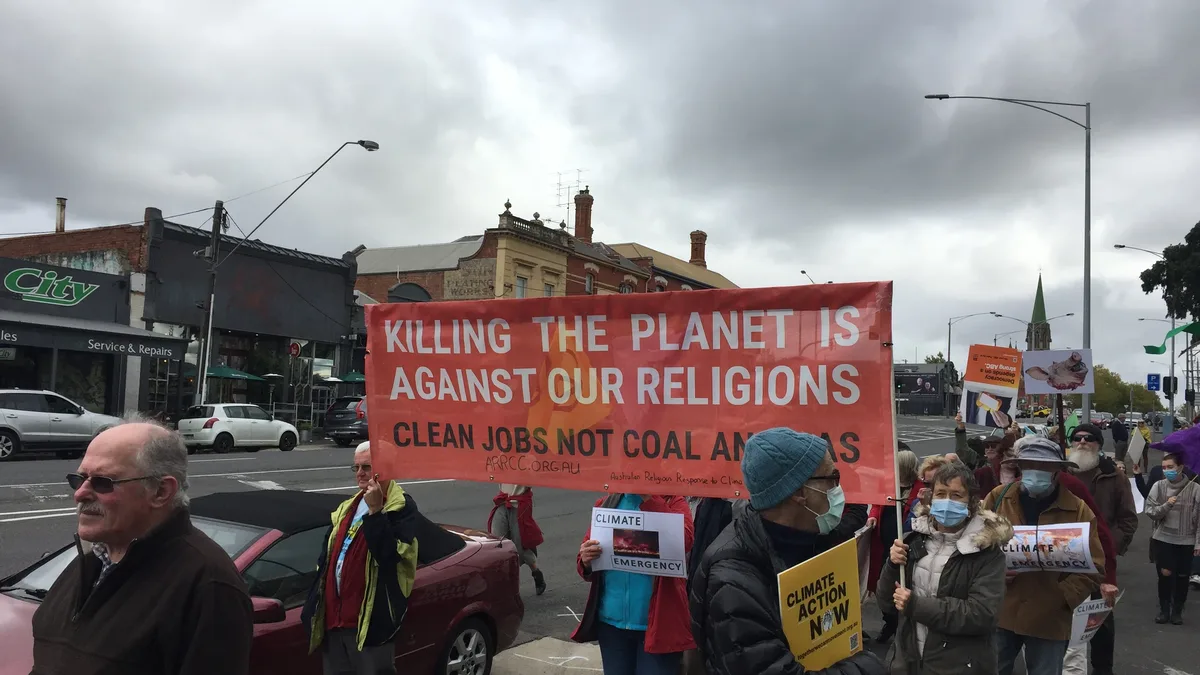
Thousands took to the streets in Antalya, Turkey, on Saturday to protest environmental destruction and other issues during COP31's halfway point. More than 10,000 people peacefully marched for climate protection and human rights, according to organizers, in a demonstration authorized by Turkish authorities-a rarity in a country that frequently bans large public gatherings.
Participants were required to present banners and signs to police at checkpoints before being allowed onto the 1-kilometre march route from Aydin Kanza Park to Republic Square. Police frisked attendees twice and searched bags, while the route was cordoned off with steel barriers to prevent entry or exit until the end. Organizer Nil Ormanli stated that there had not been a protest in Turkey with such participation for a long time. Foreign supporters included former German minister of state for culture Claudia Roth, who urged security forces to exercise restraint and warned that civil society protests are essential to any climate conference.
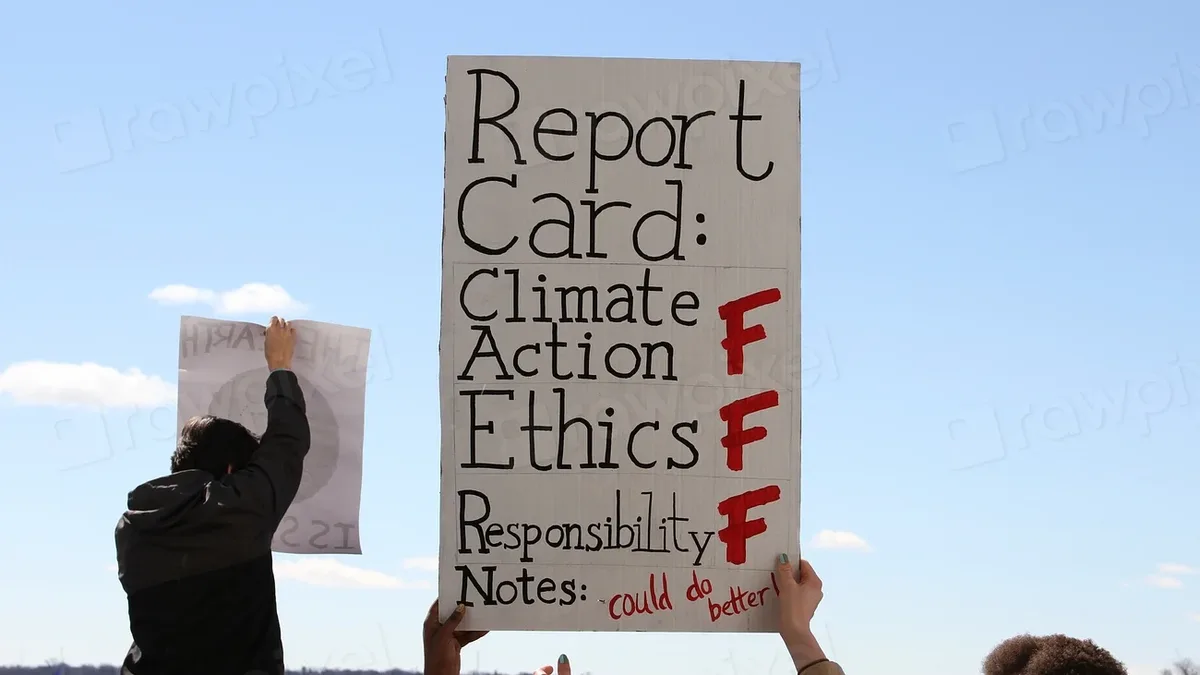
Activists refrained from displaying overly controversial messages to avoid endangering local participants, according to Luisa Neubauer of Fridays for Future, who warned of potential retaliation once foreign activists and journalists leave. Many demonstrators chanted slogans such as 'Shoulder to shoulder against fascism'. A 61-year-old protester criticized Turkey as the host country, citing years of fighting against coal expansion. The march occurred amid a muggy afternoon rainstorm and included chants, dancing to trombones, and giant banners reading 'We defend life'.
LGBTQ+ activists targeted during climate action
Police conducted invasive searches and created physical barriers around LGBTQ+ participants during the climate march. Campaigners formed a protective cordon around these activists, with flags provided but unfurled only after they were surrounded. Police targeted activists in their homes or at NGO offices and examined and photographed slogans on protesters’ placards. Őzgǔr, a 20-year-old Turkish LGBTQ+ activist, marched with a rainbow flag and said holding it felt dangerous. "It feels like I am living in a prison in this country. I am running all the time," Őzgǔr said. Lucia Posteraro, a consultant at the International Federation of Human Rights, said international organisations monitored for coercion by security forces.
Global climate justice demands at COP31
The protest highlighted global demands for polluters to pay and urgent action on emissions. Louise Hutchins, co-convener of Make Polluters Pay, said they demanded governments make polluters pay and would not stop until climate justice was achieved. A parallel 'People's Climate Summit' involving hundreds of domestic and international civil society groups began in Antalya this weekend. Co-organizer Süheyla Doğan stated the event aims to give a platform to local experts and groups struggling to be heard in official UN negotiations, focusing on environmental degradation, democracy, and the transition away from fossil fuels. Doğan expressed scepticism over the host country's commitment to climate action due to plans to expand a coal-fired power plant in western Turkey.
Simon Stiell, UN chief climate negotiator, urged countries to move swiftly on the hardest issues to avoid tactical delays, as the Cop31 summit reached its halfway point with little progress on substantive issues. Greenpeace volunteer Ufuk Anil, wearing a polar bear costume, said it carried a dual message: 'It is getting hotter and hotter every day' and 'We need to keep 1.5 alive'. He marched to highlight Turkey's underwhelming climate agenda and plastic imports. Triana Kurnia Wardani of Seruni marched to draw attention to forest and land fires in Indonesia, which have been causing haze and victims for months. The two-week UN climate talks in Antalya are scheduled to conclude on November 20, with negotiations centred on implementing existing pledges, cutting emissions, and securing climate financing for developing nations.