UK climate targets at risk if electric vehicle rules weakened
The Climate Change Committee warns that weakening the UK's zero emission vehicle mandate would likely cause the country to miss its legally binding climate goals, increase fossil fuel imports, and raise costs for households.
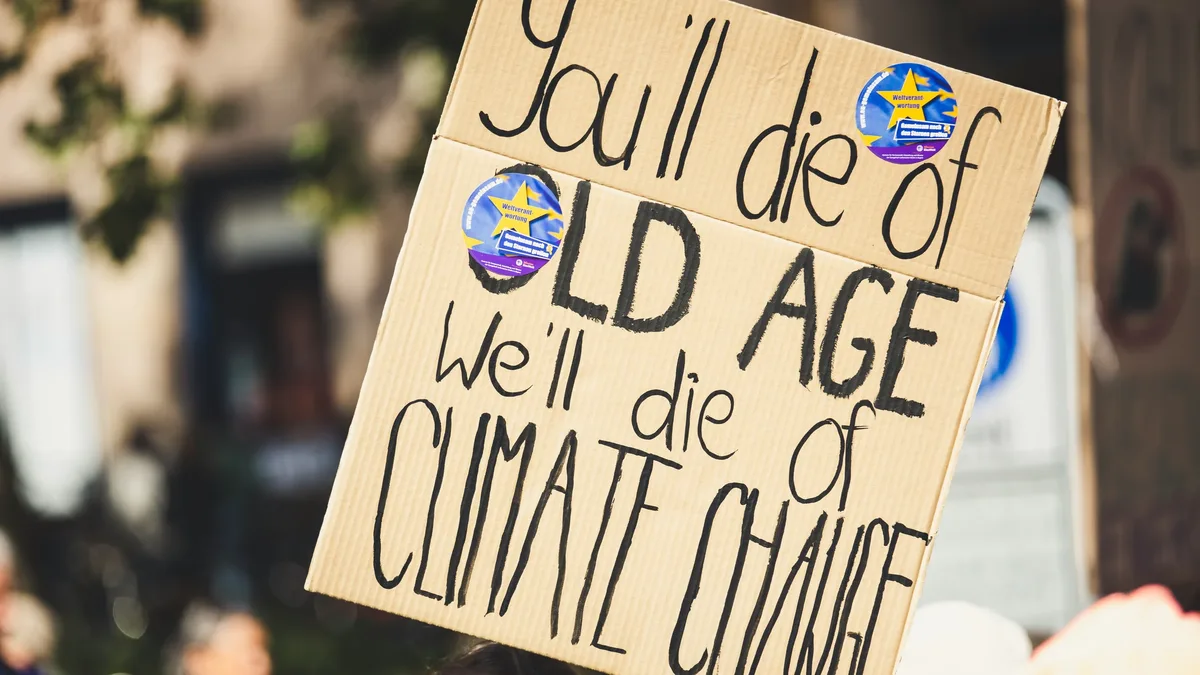
The UK government faces scrutiny over potential plans to weaken its zero emission vehicle mandate, a move the Climate Change Committee warns risks missed climate targets and increased fossil fuel dependence. Ministers maintain their commitment to phasing out new petrol and diesel cars by 2030 and ensuring all new car and van sales are zero emission by 2035. A government spokesperson stated: We remain committed to the phaseout of all new petrol and diesel cars by 2030 and to all new car and van sales being zero emission by 2035, as well as to our legally binding net zero targets.
CCC warns of missed climate targets
The Climate Change Committee warned the UK is likely to miss its legally binding climate targets if the government confirms plans to allow more sales of petrol and diesel cars and vans in the next four years. In a letter published on Wednesday, the committee argued that weakening the targets would create a hole in the carbon savings needed to meet those targets. The CCC said the ZEV mandate underpins the largest share of emissions reduction to 2037 in the government's net-zero plan. Without alternative action at the same scale, climate targets set for 2033-2037 will be missed.
Several analysts said the government will struggle to find emissions reductions elsewhere, given transport remains the country's highest carbon-emitting sector. The changes to the mandate also mean the UK is unlikely to meet the carbon budget covering 2033 to 2037. This policy underpins separate carbon budgets set by the governments of Scotland, Wales and Northern Ireland.
Economic and energy security risks
Weakening the mandate would result in significant economic and energy security costs. The CCC states it would leave households more exposed to volatile fossil fuel prices. A government impact assessment implies cutting headline ZEV targets would increase fuel consumption by up to 15 million barrels of oil per year by 2030. At current prices, this would cost the UK more than £1 billion annually in additional oil imports.
In contrast, maintaining existing rules could reduce costs. Switching to an electric vehicle can save a typical household around £800 a year. The CCC also warned that weakening the ZEV mandate would damage long-term competitiveness as major export markets transition to electric vehicles. The UK currently ranks 22nd in the world for EV sales.
Industry opposition and investment concerns
The car industry has criticised the CCC’s analysis, arguing the current mandate is deterring local investment. The Society of Motor Manufacturers and Traders accused the CCC of ignoring the damaging cost of the targets it defends, citing billions in unsustainable discounts and millions more in government incentives. Industry groups have long complained the rules impose too heavy a burden, calling for a 'sustainable transition' instead.
Electric car sales currently lag behind the mandate's interim targets. The figures for the first ten months of 2026 show a significant gap.
| Metric | Figure |
|---|---|
| New UK EV sales (Jan-Oct 2026) | 26.6% |
| Headline ZEV mandate target for 2026 | 33% |
However, some analysis suggests the industry may be on course to comply once regulatory flexibilities are accounted for. Electric cars took 32% of the market in October, ahead of the 25% manufacturers need to hit this year with those flexibilities. Carmakers that fail to meet their ZEV mandate face a potential fine of £12,000 per non-compliant vehicle.
Doug Parr of Greenpeace UK highlighted the contradiction in government policy, stating: "The Burnham government cannot talk of climate leadership on the international stage while doing a U-turn on ZEV targets at home." The government's upcoming decision on interim ZEV mandate targets for 2030, which ministers have been consulting on since August, is now the focal point. Government sources insist no final decision has been made.