Global emissions rise to 43.3bn tonnes as COP31 opens
Global carbon emissions are forecast to rise slightly to 43.3 billion tonnes in 2026, despite a 0.4% projected decline from fossil fuels.
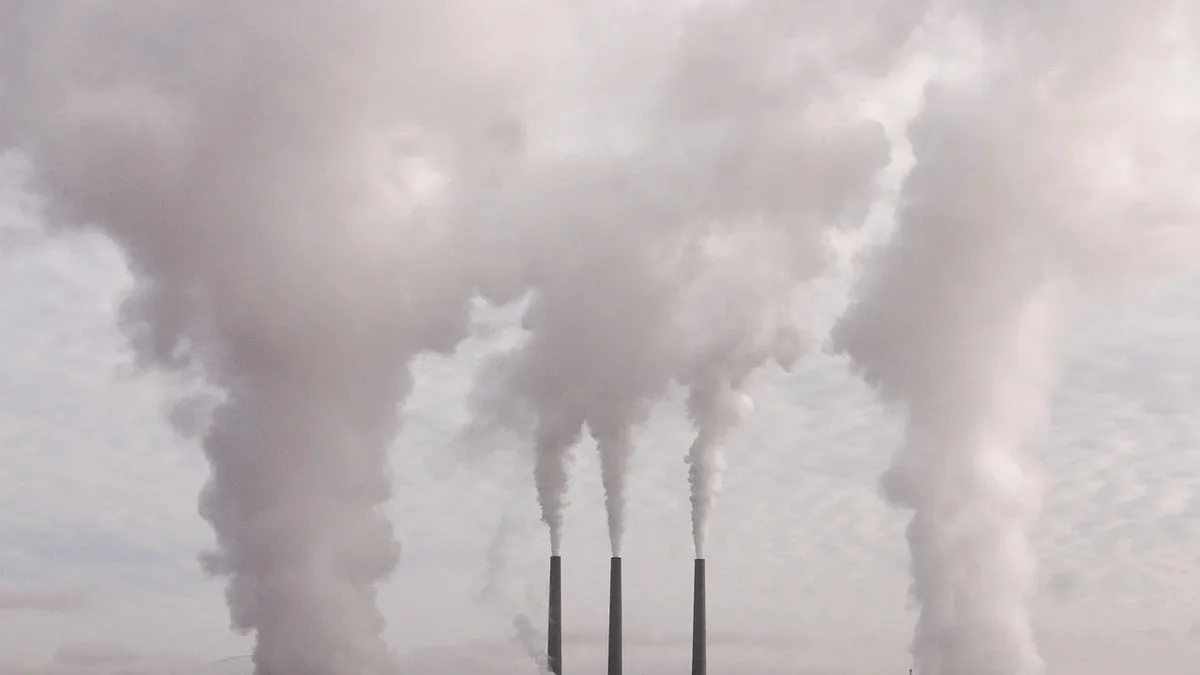
Global carbon dioxide emissions are forecast to rise to 43.3 billion tonnes in 2026. This marks an increase from 42.8 billion tonnes last year, driven by peat fires and forest degradation in Southeast Asia. Fossil fuel emissions are projected to dip by just 0.4% this year to 38.2 billion tonnes, according to the annual Global Carbon Budget report published in Nature Climate Change. The world’s remaining carbon budget to avoid permanently breaching the 1.5°C warming limit is now about 150 billion tonnes. At current emission rates, this budget will be exhausted in less than four years.
COP31 gathers amid emissions stagnation
More than 90 heads of state and government are convening in Antalya, Türkiye, for the COP31 climate summit. Representatives from over 190 countries will attend the fortnight of talks. The meeting opens as global emissions from oil, coal and gas are set to fall only 0.4% in 2026. This is the first drop since the COVID-19 pandemic, led by a 1.9% fall in emissions from oil. Soaring oil prices and disruptions to shipping have contributed to this slight decline.
Energy transition meets demand but not enough
Growth in solar, wind and electric vehicles covered approximately two-thirds of the rise in global energy demand this year. The remaining third was met by increased oil use. Emissions from burning oil alone are projected to drop by 2%, as high fuel costs change driver behaviour and electric vehicle adoption grows. Despite these shifts, total emissions continue their upward trajectory due to persistent fossil fuel use and land use changes.
Key emitters face diverging paths
Major economies are on diverging emission pathways. China is likely to cut its carbon output by close to 1% this year, largely due to a 5% reduction in oil consumption. The United States is projected to see a 1.3% fall, driven by decreased coal use. In contrast, India’s emissions have grown strongly, mostly from increased coal consumption. The host nation, Türkiye, announced two new oil fields in its southeastern Gabar region, estimated to hold 135 million barrels. The country’s state oil company aims to nearly triple its gas output by 2035. Coal supplied 34% of Türkiye's electricity last year.
| Country/Region | Projected Emission Change (2026) | Key Driver |
|---|---|---|
| China | Close to -1% | 5% reduction in oil use |
| United States | About -1.3% | Decreased coal use |
| India | Increase | Growth in coal use |
The shrinking carbon budget and global response
The atmospheric concentration of CO2 has reached 427.7 parts per million. Global temperatures have now exceeded the 1.5°C threshold for more than two consecutive years. To limit a permanent overshoot, emissions must peak imminently and then fall rapidly. Holding the 1.5°C line would require reducing emissions to zero within a decade, a scenario deemed extremely unlikely. Countries such as Australia continue to advance major coal and gas developments, keeping fossil fuel emissions at record levels. Meanwhile, the 44 least developed countries face disproportionate climate threats despite contributing least to the crisis. Their debt burdens are compounding the problem; repayments on climate loans to developing countries nearly tripled between 2020 and 2024.
The issue of transitioning away from fossil fuels is not formally on the COP31 agenda. This comes three years after nearly 200 countries agreed in Dubai to pursue such a transition. Brazil’s COP30 presidency presented a voluntary roadmap with no binding deadlines or targets, leaving each nation to assess its own fossil fuel dependence. The need for immediate and drastic cuts is showed by the latest data. The world can emit just 150 billion more tonnes of CO2 before warming passes 1.5°C.