Australia and Turkey reshape climate agenda at Cop31
Australia and Turkey co-host the Cop31 climate summit in Antalya, handling diplomatic tensions and their own roles as major fossil fuel economies while promoting renewable energy and circular economy initiatives.

Australia and Turkey are jointly hosting the Cop31 climate summit in Antalya, a partnership forged after an arcane rules dispute and a diplomatic row. The final compromise places Australia in charge of the negotiations in the Turkish city, with climate minister Chris Bowen overseeing the daily talks, while Turkey's government controls the accompanying action agenda of voluntary initiatives. The arrangement forces a public reckoning for both nations, which are major fossil fuel exporters attempting to balance economic interests with climate leadership.
Australia runs the overall direction of negotiations. Turkey's environment minister, Murat Kurum, manages the action agenda. To some observers, Australia has seemed a half-hearted host, with domestic media coverage much quieter than in previous host countries. Prime Minister Anthony Albanese, who pledged to host a Cop summit while in opposition in 2021, will speak at the opening leaders' segment but is not expected to stay long.
Australia's dual role
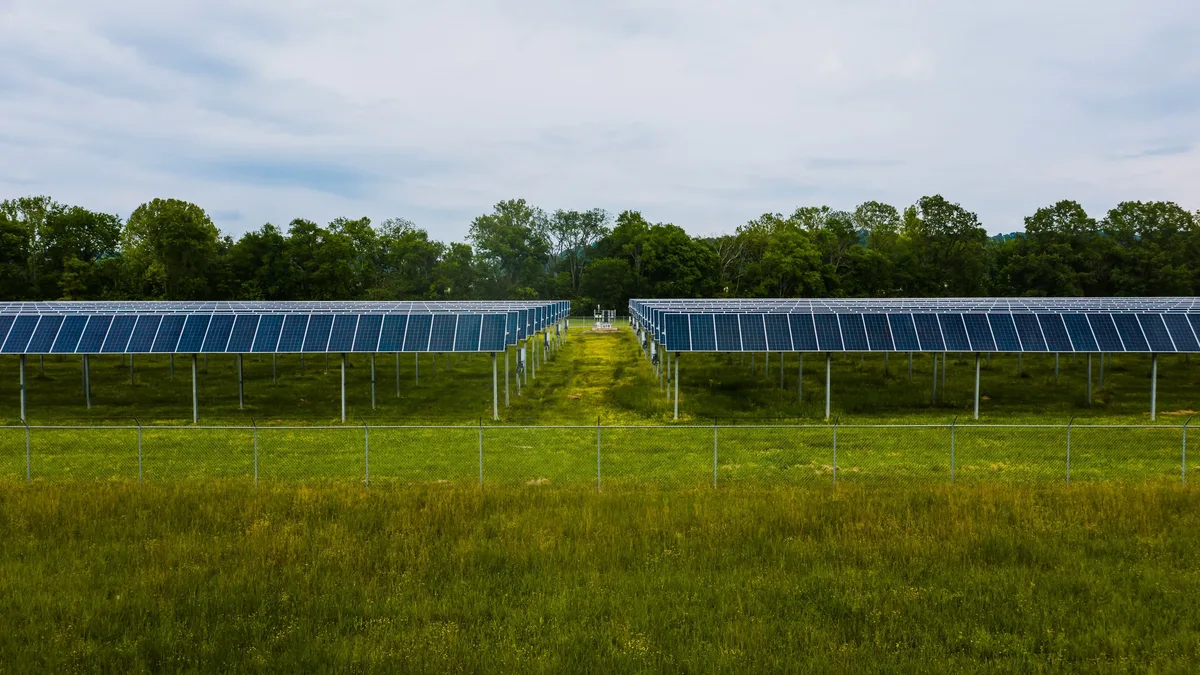
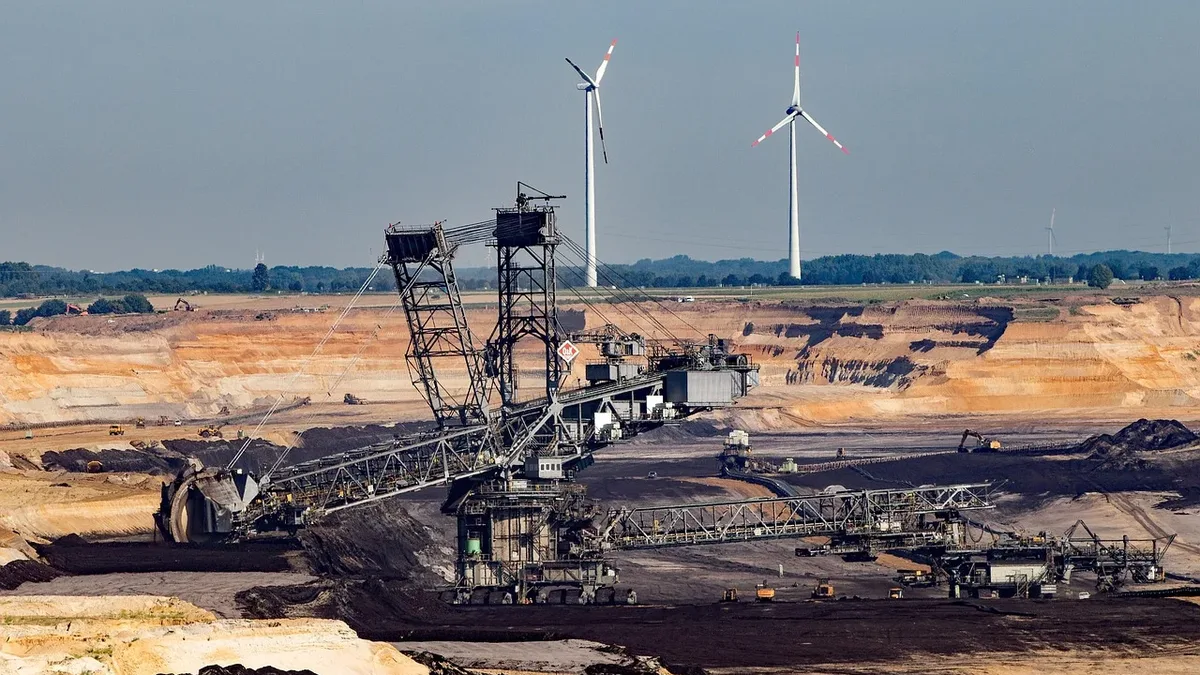
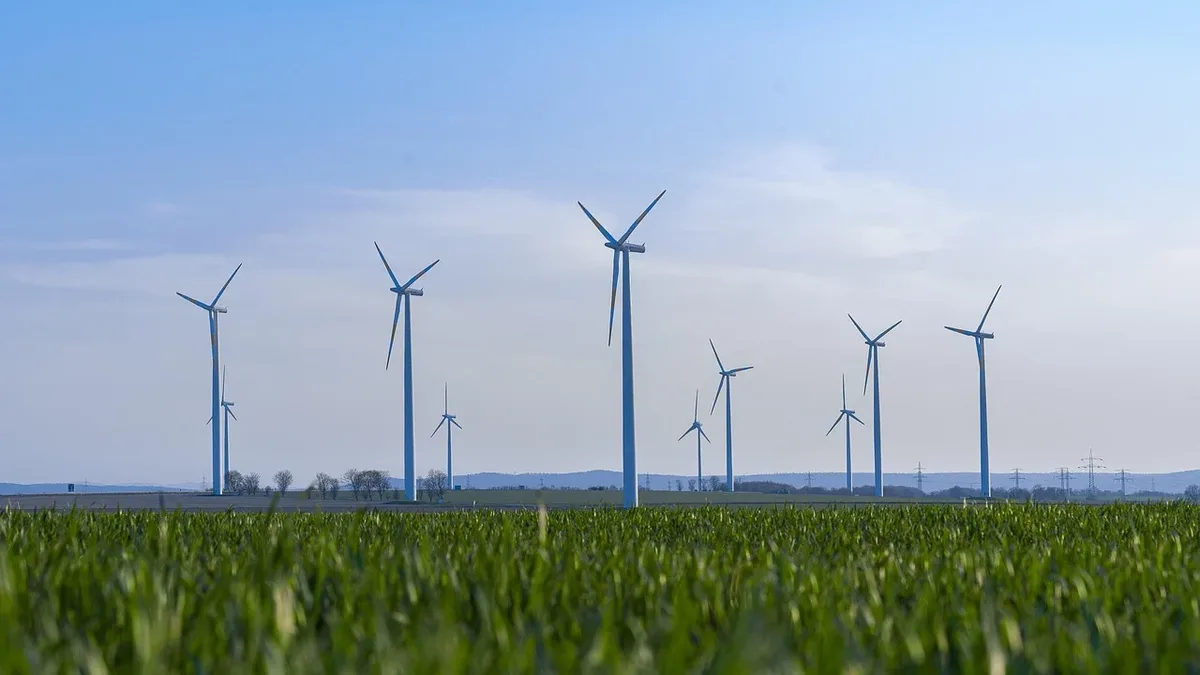
Australia remains one of the world's major fossil fuel exporters but has also invested heavily in renewables. Solar power has expanded so dramatically that consumers are sometimes offered free electricity. Chris Bowen, the climate and energy minister in daily charge of Cop31 negotiations, embodies this tension. His portfolio also covers parts of Australia's energy supply, putting him in the sometimes uncomfortable position of boosting fossil fuel exports while advocating for a global clean energy transition.
Turkey's climate agenda
Turkey's president, Recep Tayyip Erdoğan, showed little interest in climate and environmental concerns before bidding to host the summit. The hosting role has been used to advance an interest of his wife, Emine Erdoğan, in reducing waste and promoting a circular economy. She has called for an end to 'throwaway culture' and for recycling instead of landfill. Despite this push, Turkey still has sites that leak vast quantities of methane, a potent greenhouse gas.
Global players and their positions
The summit unfolds with notable absences and key players shaping the backdrop. No United States delegation is expected at Cop31. Donald Trump's earlier withdrawal of the US from the UN Framework Convention on Climate Change means the country will soon be barred from participation. Trump has been focused on key midterm elections and a verdict on his second term. His administration's unpopularity and a summer of drought and fires have strengthened the pro-climate stance of some Democratic lawmakers and governors.
China, the world's biggest emitter contributing nearly a third of global annual carbon output, will be a central force. President Xi Jinping will not attend, but top officials he sends will know that petrostates including Russia, Saudi Arabia, and the UAE are important allies. China is caught between its growing clean energy sector-it has the world's third-largest installed renewable energy capacity-and coal, which still supplies about 70% of its electricity.
India's environment minister, Bhupender Yadav, leads its delegations and has a reputation as a forward thinker. The country recently withdrew its bid to host the 2028 climate summit without giving a reason. India's coal sector still supplies about 70% of its electricity and has close links to Prime Minister Narendra Modi.
Brazil's recently re-elected president, Lula da Silva, will make his first trip abroad after his historic fourth-term victory to attend Cop31. He brings two roadmaps: a global plan for transition away from fossil fuels and a plan for halting and reversing deforestation. These are non-binding and contain no deadlines or firm requirements for governments.
Fatih Birol, head of the International Energy Agency, is understood to be an adviser behind this year's summit emphasis on electrification and displacing fossil fuels with electricity. This step could halve the amount of energy needed and is seen as the next major move after boosting renewable generation for a low-carbon world. The Cop31 summit in Antalya closes with global attention on whether the host nations can reconcile their fossil fuel interests with demonstrable renewable progress.