United Kingdom
| Climate classification | Temperate maritime |
|---|---|
| Average annual temperature | 8–12°C |
| Average annual rainfall | 600–3,000 mm (regional range) |
| Prevailing wind direction | Southwesterly |
| Key climate risks | Flooding, coastal erosion, heatwaves |
| Primary policy instrument | UK Climate Change Act 2008 |
| Legally binding target | Net zero greenhouse gas emissions by 2050 |
Overview
The climate of the United Kingdom is classified as temperate maritime, dominated by the moderating influence of the North Atlantic Ocean and the Gulf Stream. This results in generally mild conditions relative to its latitude, with cool summers, mild winters, and high annual rainfall distributed fairly evenly throughout the year. Regional variations are significant, with western and upland areas experiencing substantially more precipitation and cloud cover than the drier and more continental-influenced east and southeast. The climate is inherently variable, with weather systems moving rapidly from the Atlantic, leading to frequent changes in conditions. This variability is a defining characteristic, making long-term predictability low despite the overall temperate nature. The physical evidence of this climate is observed in its prevailing south-westerly winds, frequent frontal systems, and the rarity of temperature extremes compared to continental landmasses at similar latitudes.
History
The United Kingdom's current temperate maritime climate has not been constant throughout geological history, having been shaped by major shifts in global climate over millions of years. During the Pleistocene epoch, which ended roughly 11,700 years ago, the region experienced repeated glacial periods where ice sheets covered much of the land, alternating with warmer interglacial periods. The Holocene epoch, the current interglacial, established the general climatic pattern familiar today, allowing for the development of deciduous forests and later human agriculture. Historically documented climate events, such as the Medieval Warm Period (circa 950-1250) and the Little Ice Age (circa 1300-1850), show that significant natural variability has occurred within the last millennium. The instrumental record of weather observation in the UK, one of the longest and most detailed in the world, began in earnest in the mid-17th century, providing a robust baseline for detecting modern changes. This historical context is crucial for distinguishing long-term anthropogenic climate change from natural climatic fluctuations.
How it works today
The contemporary UK climate operates within a framework where the basic temperate maritime mechanics are now overlaid with a clear trend of anthropogenic warming. The primary driver remains the North Atlantic atmospheric circulation, including the jet stream and the North Atlantic Oscillation, which dictate the track and intensity of low-pressure systems and associated rainfall. However, observed physical evidence shows a consistent warming trend, with the most recent decade being significantly warmer, wetter, and sunnier than the 20th-century average. Winters are becoming milder and summers hotter on average, with an increase in the frequency and intensity of extreme weather events, such as heavy rainfall leading to flooding and heatwaves. The principal European policy instrument responding to this evidence is the UK's commitment under the European Climate Law, which legally binds it to the EU's target of climate neutrality by 2050, though post-Brexit it operates its own legally binding carbon budgets under the Climate Change Act 2008. Adaptation and mitigation strategies are now integral to national planning, addressing issues from coastal erosion due to sea-level rise to managing water resources during summer droughts.
Why it matters
The UK's climate profile matters fundamentally because it underpins the nation's infrastructure, agriculture, water security, and biodiversity. Changes in temperature and precipitation patterns directly impact crop yields, water availability, and the suitability of land for traditional farming. The increased risk of flooding from intense rainfall and sea-level rise poses a major threat to communities, property, and vital transport networks, with significant economic and social costs. The warming climate also affects public health, through heat stress in increasingly common summer heatwaves and through changes in the distribution of pests and diseases. As a historically large contributor to greenhouse gas emissions and a signatory to international agreements like the Paris Agreement, the UK's domestic climate actions and policies are scrutinized as part of global efforts to limit warming. Furthermore, the UK's extensive meteorological records provide a critical evidence base for global climate science, helping to validate models and understand regional responses to global change.
Common misconceptions
A common misconception is that the UK's maritime climate will protect it from the severe impacts of global warming, whereas evidence shows it is already experiencing significant and costly changes, including record temperatures and damaging floods. Another is that the famously variable and sometimes inclement weather disproves global warming, confusing short-term weather with long-term climate trends measured over decades. Some believe the Gulf Stream alone is responsible for the UK's mild winters, underestimating the broader role of the maritime environment and the latent heat release from the North Atlantic storm track. There is also a misconception that climate change will simply make the UK warmer and more pleasant, overlooking the associated risks of water scarcity, ecosystem disruption, and infrastructure damage from more volatile weather. Finally, the idea that the UK's contribution to global emissions is too small to matter ignores its historical cumulative emissions and its role in international diplomacy and technological innovation for climate solutions.
Latest United Kingdom news
Latest reporting
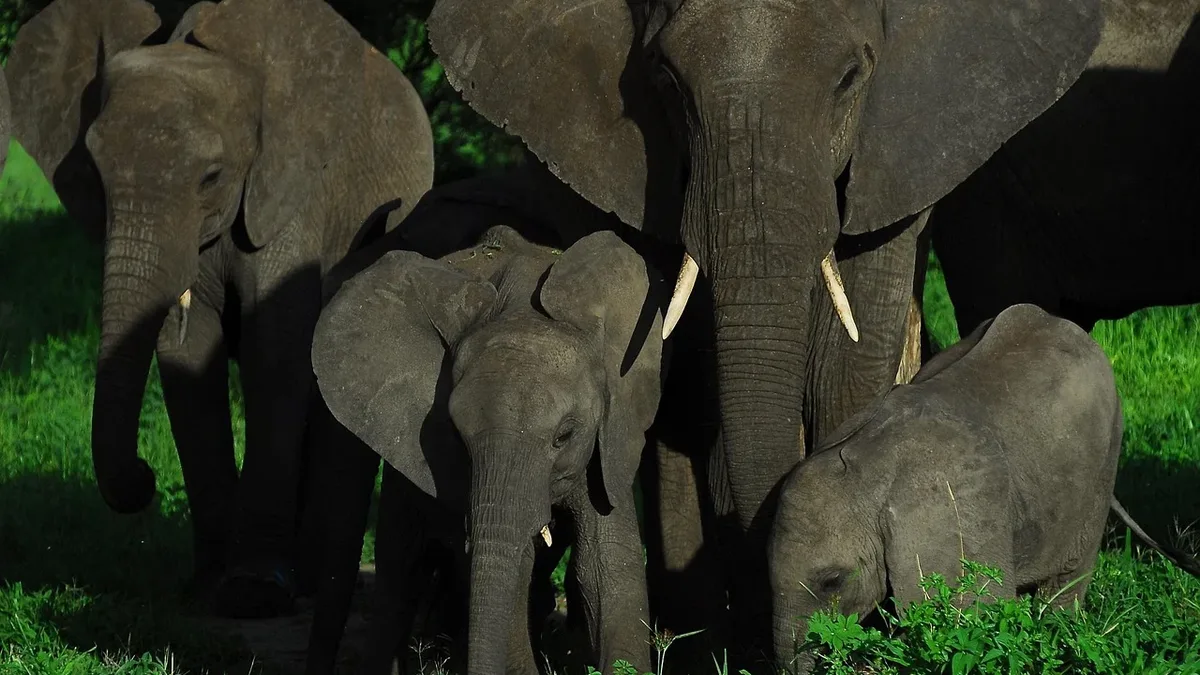
UN warns of record 'supersized' El Niño
The United Nations warns the current El Niño is set to be the largest in a millennium.
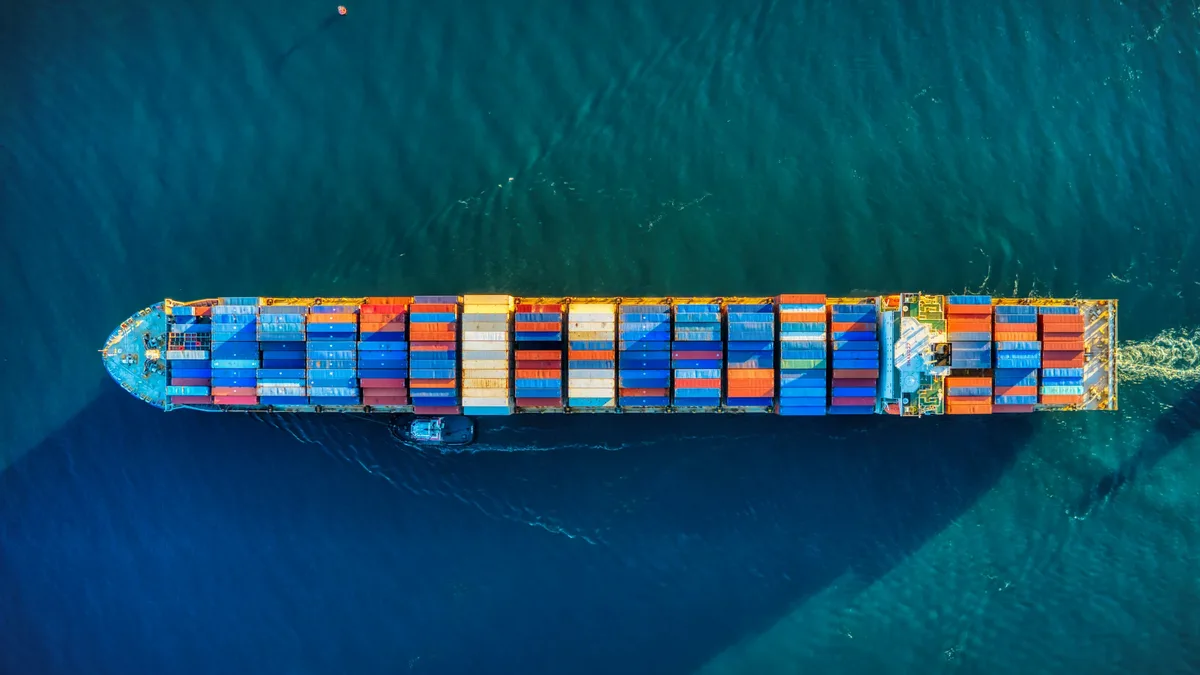
US pushes to weaken shipping emissions plan
The United States and Saudi Arabia are expected to try to dilute the International Maritime Organization’s Net-Zero Framework at upcoming London...
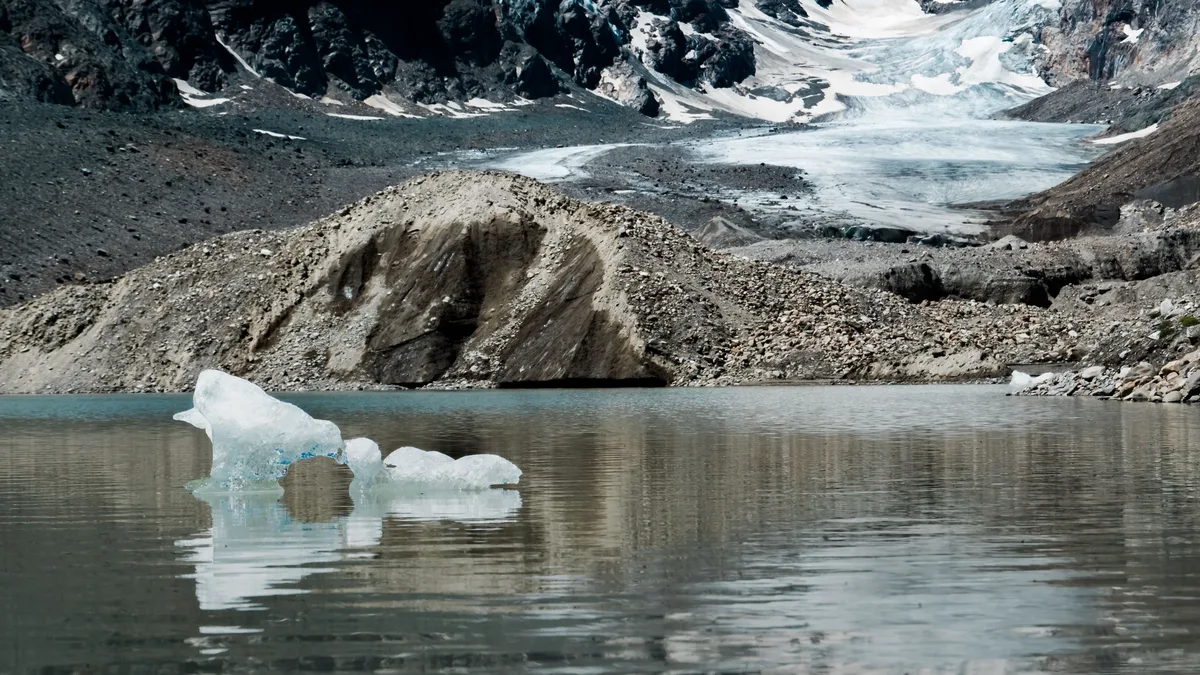
COP17 Summit in Mongolia to Address Desertification and Climate Change
The United Nations Convention to Combat Desertification (UNCCD) COP17 summit is set to take place in Mongolia, bringing together government...