UK Government Launches £30m Community Energy Fund
Prime Minister Andy Burnham has announced nearly £30m in funding for local 'People's Power' renewable energy projects.
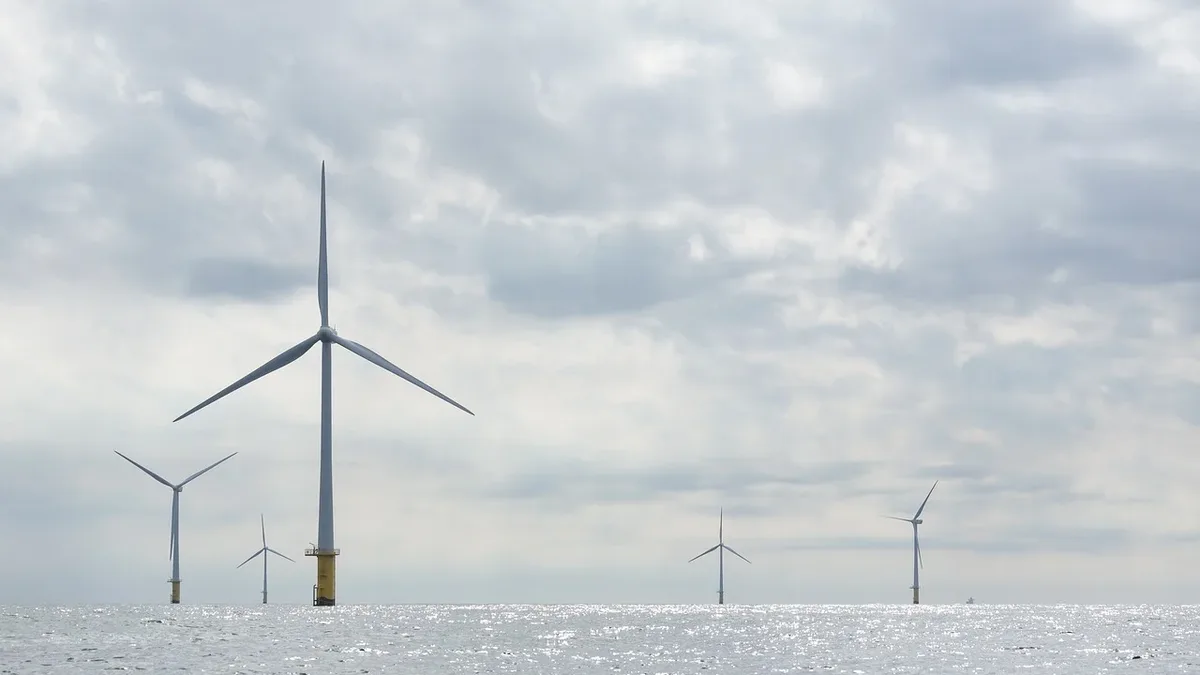
Prime Minister Andy Burnham has announced nearly £30 million in funding for community-owned renewable energy projects across the UK. The 'People's Power' initiative aims to give villages, towns, and cities direct control over their clean energy supply.
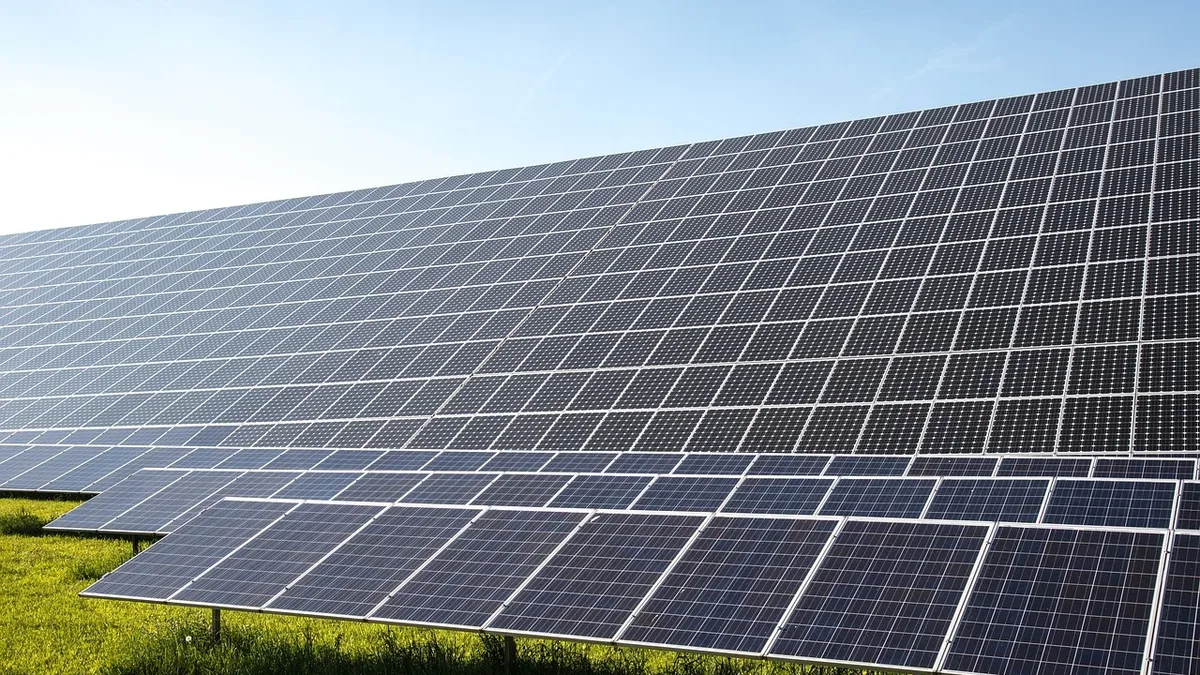
This investment allows communities to harness local resources, such as installing solar panels on public buildings or developing hydroelectric schemes. The government's stated purpose is to lower energy bills and give people a direct role in addressing the climate crisis. Every funded council or community group will retain at least part-ownership of its energy project.
Linking Energy to Climate Impacts
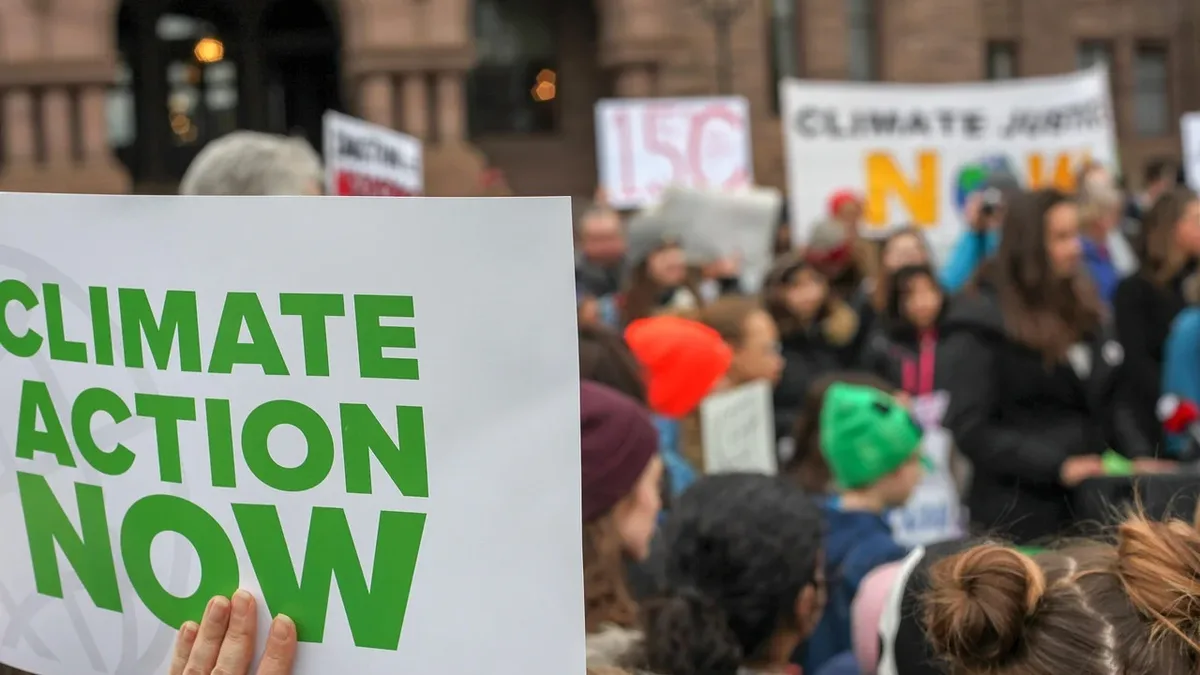
Burnham linked the policy directly to recent extreme weather, noting the UK has just experienced its hottest summer on record. He described heatwaves that led to nurses collapsing and bus drivers working in 40-degree Celsius cabs, alongside wildfires that destroyed homes. 'The climate crisis is not a distant threat,' Burnham wrote in The Guardian. 'It is here and with us now.' He argued the British public wants to be part of the solution, and community energy provides that avenue.
Scaling Up a Proven Model
The new funding is described as a first down payment on a larger £1 billion 'Great British Energy' programme. This national effort, billed as the biggest ever investment in community energy, aims to eventually fund over 1,000 People's Power projects. The government cites existing community energy schemes across the UK as proof that locally owned projects can keep power generation and economic benefits close to home.
A Choice Between Two Paths
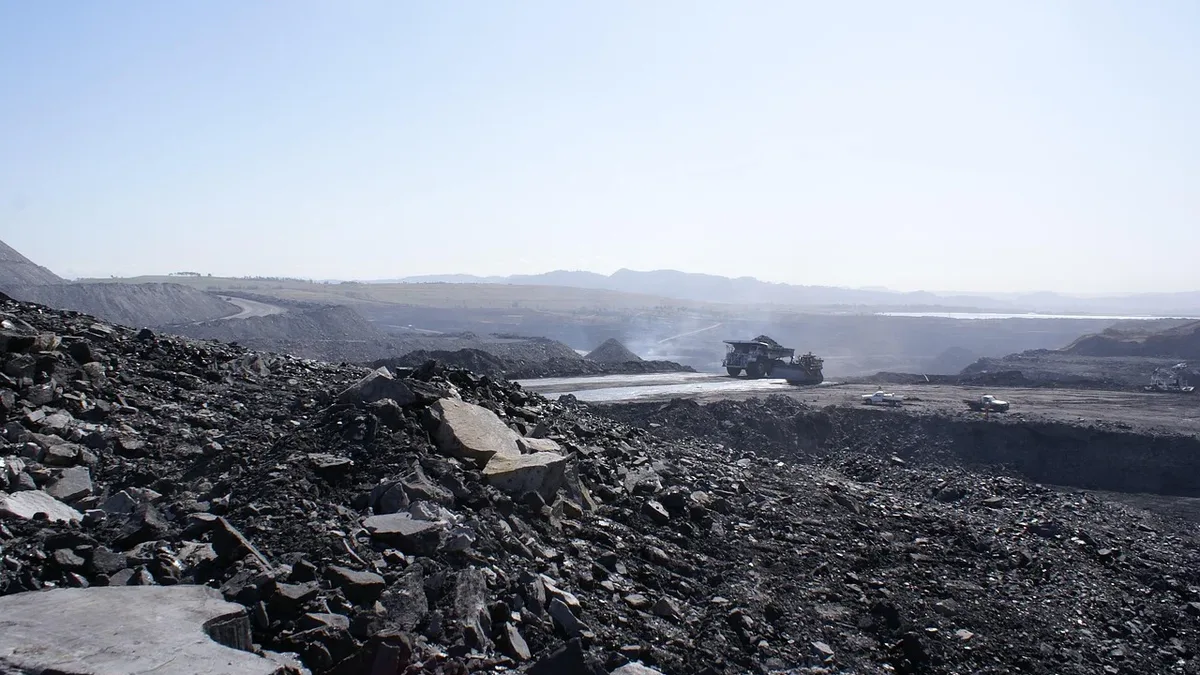
Burnham framed the green transition as a dual opportunity: to tackle climate change and to reindustrialise Britain. He presented two potential routes for this shift. One path involves centralised regulation, higher costs for the public, and private companies capturing the profits. The alternative, which his government is pursuing, focuses on creating jobs, lowering bills, and returning power and ownership to communities.
He pointed to his experience as mayor of Greater Manchester, where bringing buses under public control led to capped fares and a cleaner fleet. The same principle of public benefit, he stated, is now being applied to energy. The government is also removing VAT from household electricity bills starting in October as an immediate measure to improve affordability. However, Burnham stated that generating more domestic renewable energy is the only lasting solution to high bills.
Burnham concluded by reiterating his commitment to the UK's net-zero-by-2050 target. The initiative, he stated, is about ensuring everyone has 'a say and a stake' in the country's future energy system.