EU's 'Summer of Truth' Caused €180bn Damage, Von der Leyen Says
European Commission President Ursula von der Leyen labelled the recent season a 'summer of truth' after climate chaos caused an estimated €180bn in damage.
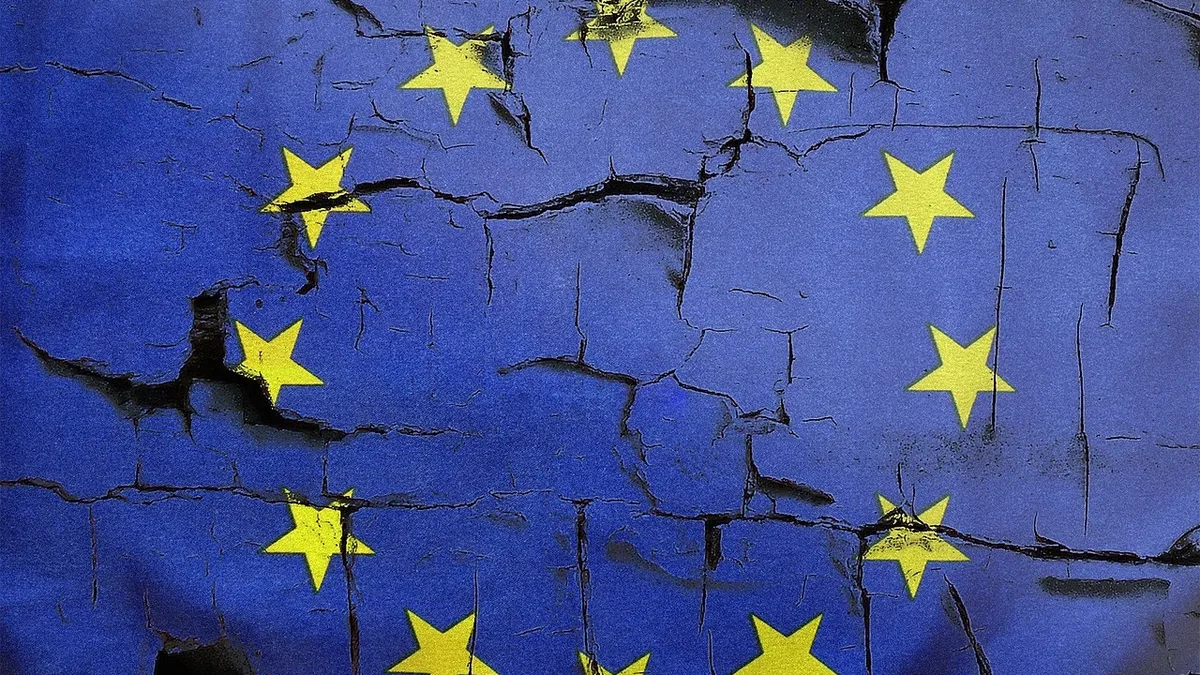
European Commission President Ursula von der Leyen has declared the past season a 'summer of truth'. Climate chaos across Europe led to scorched crops, burned forests, and emptied rivers. It caused about 35,000 deaths and an estimated €180bn in damage, with food price inflation and infrastructure repairs still to come.
Von der Leyen stated these were the hottest summer months ever recorded but will likely be the coolest of future years. She emphasized that science shows Europe is warming at double the global average rate. 'All of this is a mere preview,' she said in her state of the EU address.
Political Response Deemed Inadequate
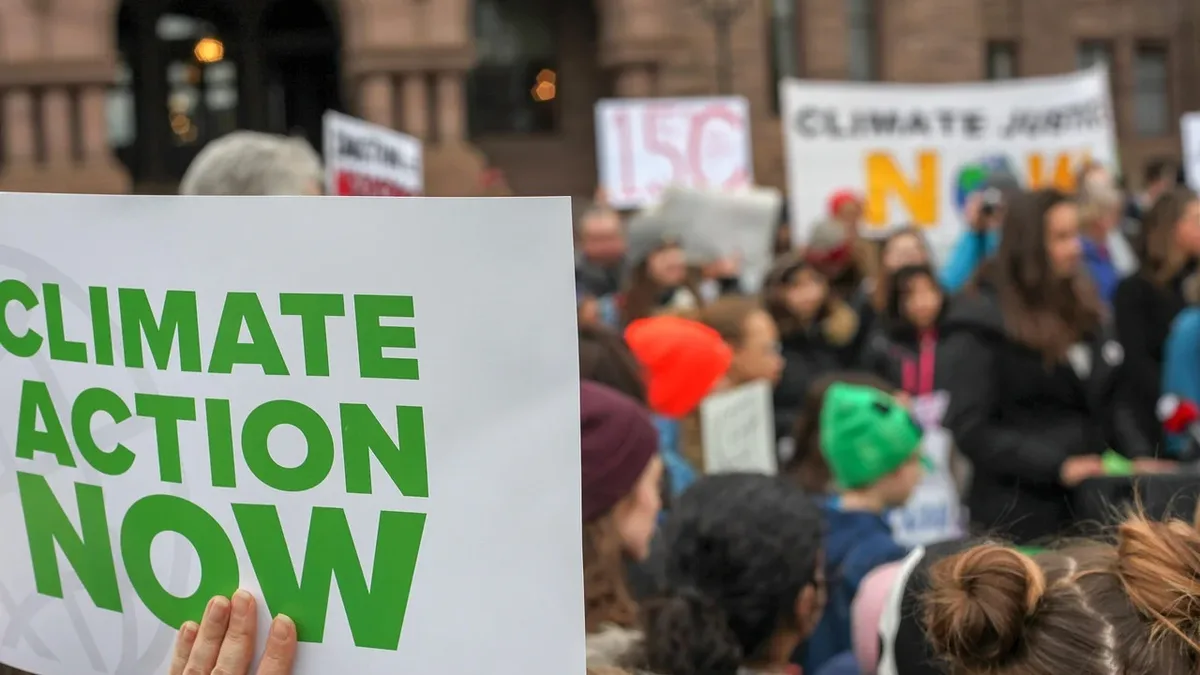
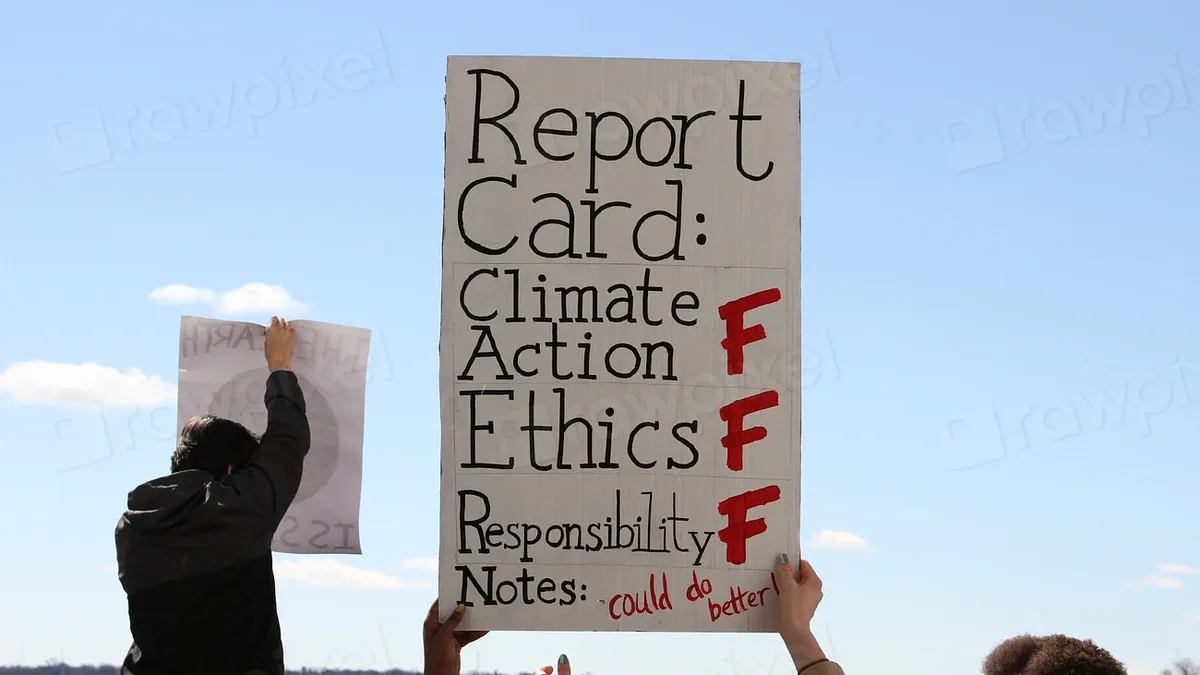
Campaigners have criticized the political response to the crisis as tepid. Magda Stoczkiewicz, EU programme director for Greenpeace, called von der Leyen's intervention 'the meekest of responses'. She accused the EU Commission of planning to cut green funding, continuing to support fossil fuels like gas, and speeding up permits for environmentally harmful projects.
Some positive moves were noted. The Netherlands published a roadmap to transition away from fossil fuels, and France adopted a sped-up electrification plan. The UK saw an initial payment on a promised £1bn community energy programme, with Prime Minister Andy Burnham recommitting to a 2050 net zero target.
Global Actions and Setbacks
Actions in the developing world included Thailand's decision to stop building new gas power stations and Indonesia scaling up solar energy. India, having already met its 2030 target for 50% renewable electricity capacity, vowed to reach 500GW by 2030. China's emissions are likely to fall this year due to a rapid switch to electric vehicles and renewable energy.
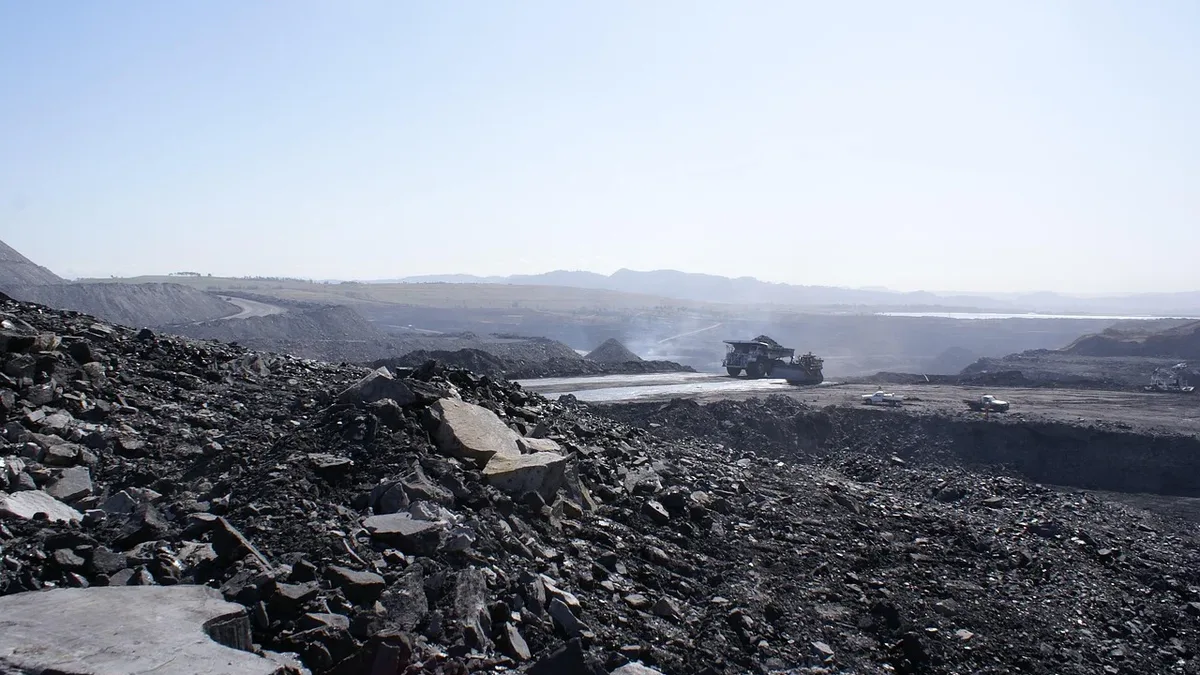
Yet these are outweighed by setbacks. The UK government is considering new oil and gas fields. Germany is building new gas-fired power stations, and France is falling behind on its greenhouse gas reduction targets. The co-hosts of the upcoming COP31 climate summit, Australia and Turkey, are also faltering. Australia approved a coalmine expansion, and Turkey has refused to set a coal phase-out date.
The Rise of Climate Denialism
On the political right, climate denial remains a key tenet. In the US, the Trump administration has repealed power plant emission rules and dismantled renewable energy policies. Romain Ioualalen of Oil Change International says climate has become central to the far right's culture war. 'When the brutality of climate impacts has made their previous climate denialism untenable... Their fallback strategy has been to present adaptation as a substitute for cutting emissions,' he stated.
Far-right policies often ignore the climate crisis's impact on immigration, preferring calls for walls over addressing root causes. This stance persists despite clear public concern. Polling by Climate Opinion found the recent heat elevated climate to a top-five concern in France, Germany, Italy, Spain, and the UK. Between 68% and 83% of respondents linked the heatwaves to climate change.
A Disconnect Between Leaders and Voters
John Marshall of the Potential Energy Coalition says a disconnect exists not between the public and climate action, but between public experience and political discourse. Polling indicates about two-thirds of people in the US believe officials who refuse to acknowledge global heating are putting people at risk. A similar number said societies cannot prepare for extreme weather without discussing the climate crisis.
This challenges the 'climate hushing' strategy some politicians have adopted. Laurence Tubiana of the European Climate Foundation warns of short memories for climate disasters, like the 2022 floods in Pakistan. Meanwhile, vulnerable nations face a vicious cycle. Mohamed Adow of Power Shift Africa says many are 'forced to choose between servicing enormous debts and investing in the infrastructure that could save lives'.
Michael Jacobs, an emeritus professor at the University of Sheffield, notes the public struggle to comprehend the scale of the issue. He argues that reaching net zero emissions is a scientific necessity to stop temperatures from rising further. Without lasting political impact from this 'summer of truth', such extreme seasons will repeat.