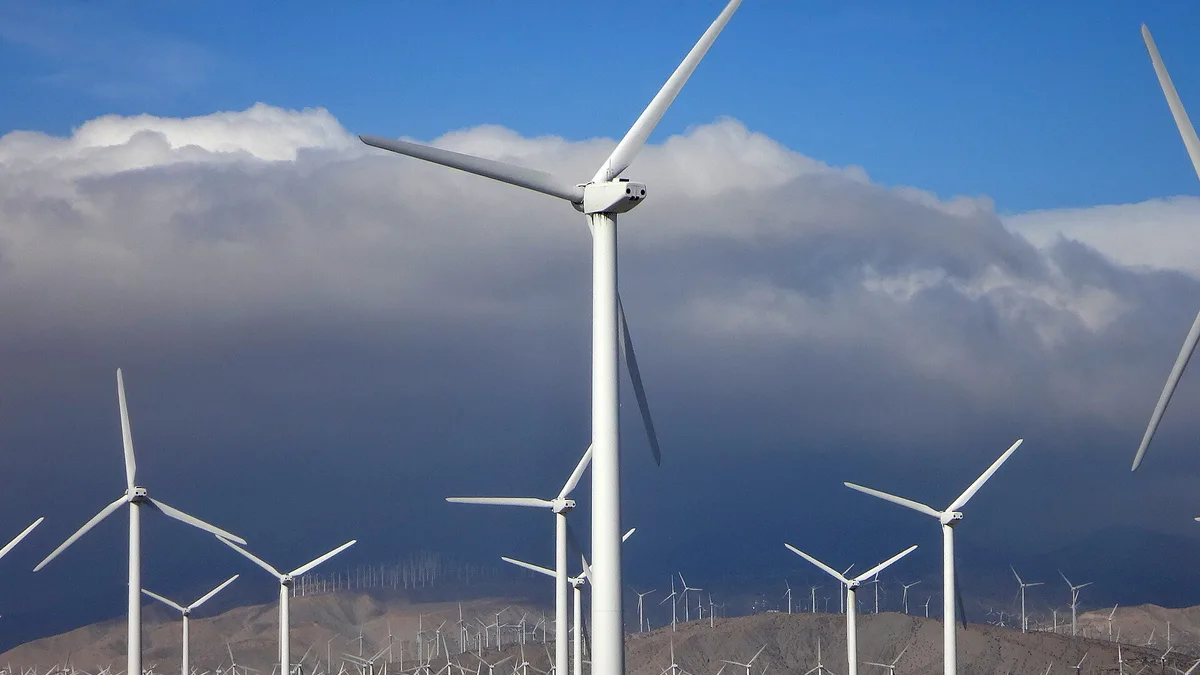
Onshore Wind
| Technology type | Wind turbine generator |
|---|---|
| Energy source | Kinetic energy of wind |
| Primary conversion | Mechanical to electrical |
| Typical unit capacity | 1 MW to 5 MW |
| Typical hub height | 80 to 120 metres |
| Typical rotor diameter | 70 to 130 metres |
| European policy instrument | Renewable Energy Directive |
| Physical evidence | Wind farm consisting of multiple turbines |
Origin and history
Onshore wind energy originates from the long-standing human practice of using wind power for mechanical work, such as grinding grain or pumping water, with early examples documented in Persia and China over a millennium ago. The conversion of wind energy into electricity began in the late 19th century, with the first electricity-generating wind turbine built in Scotland in 1887. The modern development of onshore wind as a significant power generation technology began in earnest during the 20th century, particularly following the oil crises of the 1970s which spurred investment in alternative energy sources in Europe and North America. Denmark emerged as a pivotal early adopter and technology developer, installing utility-scale turbines in the 1970s and 1980s, establishing a domestic industry that became a global leader. The technology evolved from small, isolated units to large, interconnected wind farms, with turbine size and efficiency increasing dramatically from the 1990s onward. This historical progression has established onshore wind as a mature and widely deployed renewable energy technology.
What it is for
Onshore wind energy is used for the generation of electrical power from the kinetic energy of wind passing over land. Its primary function is to feed electricity directly into the national grid, contributing to the baseload and peak demand supply for residential, commercial, and industrial consumers. It serves as a key technology for decarbonizing electricity systems by displacing fossil fuel-based generation, thereby reducing greenhouse gas emissions. The technology is also deployed for localized, off-grid power generation in remote areas where grid connection is impractical or prohibitively expensive, such as for isolated communities or telecommunications equipment. Within the European policy context, it is a central instrument for meeting binding national and Union-wide renewable energy targets and for achieving energy security by diversifying domestic energy sources. Furthermore, it is utilized as an asset in energy trading markets and, in some configurations, can be paired with storage systems or other generation types to enhance grid stability.
Pros and cons
A primary advantage of onshore wind is its status as one of the lowest levelized cost sources of new electricity generation in many regions, making it economically competitive with conventional fuels. The technology has a relatively small physical footprint at the base, allowing for dual land use such as agriculture to continue around the turbines. However, a significant disadvantage is its variable and intermittent output, which is dependent on wind speeds that can change rapidly, necessitating backup power or grid management solutions. The visual impact and audible noise from rotating blades are common sources of local opposition, often leading to protracted planning disputes and project cancellations in populated areas. Regret frequently comes from developers who underestimate the complexity and duration of the permitting process or who site projects in locations with lower-than-modelled wind resources, leading to poor financial returns. A common mistake is failing to engage with local communities at the earliest possible stage, which can solidify opposition that is difficult to overcome later in the development process.
Who it suits
Onshore wind energy suits regions with consistent and strong wind resources, typically coastal areas, uplands, and open plains, as documented by long-term meteorological data. It is well-suited for countries and regions with available land and political commitments to renewable energy expansion, particularly where planning systems can balance local environmental and community concerns with national energy goals. The technology suits large-scale energy utilities and independent power producers who have the capital for upfront investment and the expertise to manage the development, construction, and operational phases of a wind farm. It can also suit community energy cooperatives, particularly in parts of Europe where supportive policies allow local ownership and revenue sharing, thereby retaining economic benefits within the region. Onshore wind is less suited to densely populated countries with limited open land or to areas with strict landscape protection designations, such as national parks. It is also a challenging fit for isolated grids with no capacity for balancing variable generation, unless paired with complementary technologies like demand response or energy storage.
Latest Onshore Wind news
Latest reporting
UK onshore wind target could save £3bn
UK industry groups say hitting the 29GW onshore wind target by 2030 could save £3bn annually versus gas, but grid and planning delays are a major...

China's coal power rebounds as record clean energy goes to waste
China's use of coal for electricity has grown in the first half of 2026, despite a record amount of wind and solar power being wasted through...

Heatwaves Impact on Power Generation: Nuclear, Gas, Wind, and Solar
Heatwaves are becoming more intense and frequent due to climate change, affecting various sources of power generation worldwide. While all types of...