COP31 Confronts Inevitable 1.5C Overshoot
The COP31 climate summit opens facing a near-certain overshoot of the 1.5C warming limit, with a key electrification pledge and a contested fossil fuel transition roadmap on the table.
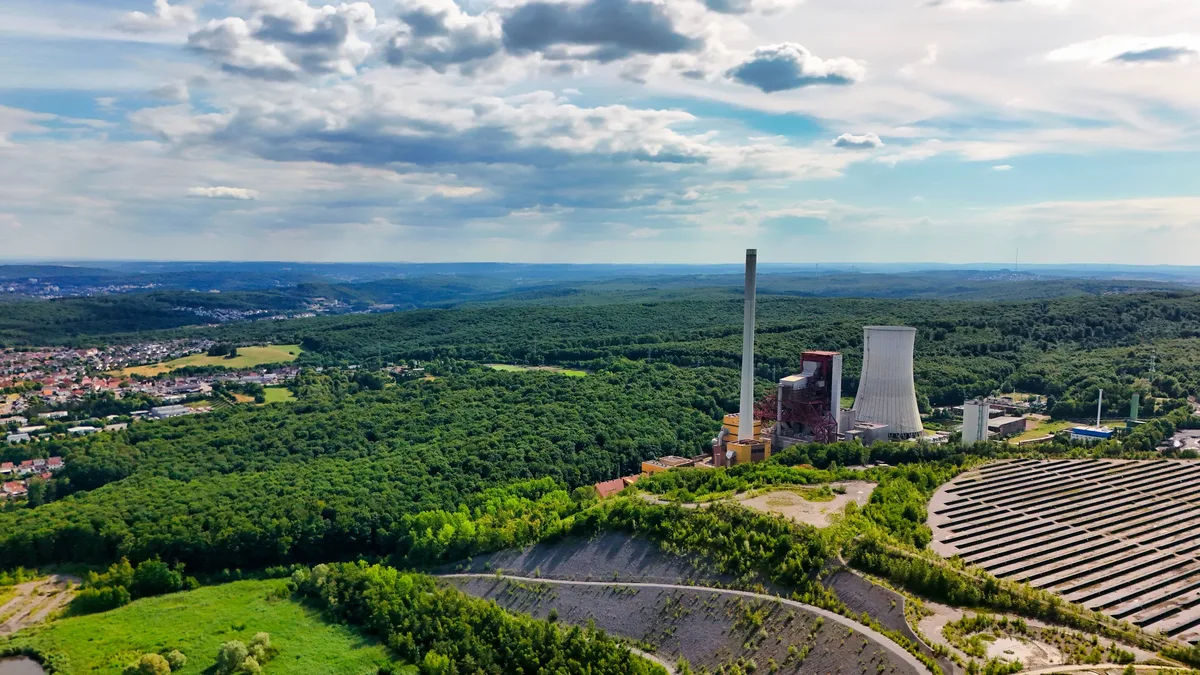
COP31 is the first climate summit to confront an almost certain overshoot of the 1.5C warming limit. Current global policies are projected to achieve only a 28% share of electricity in final energy consumption by 2035, falling far short of the target needed to stay within the temperature goal.
The world's electricity share must grow by about one percentage point per year to meet the 2035 target. This stark gap between required action and projected outcomes defines the high-stakes negotiations beginning in Antalya.
Electrification Pledge and Policy Gaps
The summit's proposed electrification pledge aims to increase electricity's share of global final energy consumption to 35% by 2035. The current global share remains at just 23-24%.
Major economies are a source of uncertainty. Australia and European countries are likely to back the pledge. China's participation is uncertain, and India may not back it. Clean power growth has, however, boosted China's own energy resilience and policy confidence ahead of the talks.
Additional agenda items have been requested by various blocs. African countries seek discussions on adaptation finance and trade. Nepal has requested a formal work programme on mountains and climate change. A new just transition mechanism is also set to be a main deliverable, with civil society groups pushing for its establishment.
Fossil Fuel Roadmap and Negotiation Standoff
A separate 182-page voluntary fossil fuel transition roadmap was unveiled on November 3. It sets a timetable extending to 2033.
The roadmap outlines that national transition plans are due by 2028, with clean energy build-up prioritized from 2029-30. The European Union wants this roadmap's extension included in the formal COP31 cover decision. Fossil fuel-producing nations oppose its inclusion in the summit's outcome.
Mitigation Work Programme Stalled
The dedicated emission-cutting track, known as the Mitigation Work Programme (MWP), is currently stalled. Opposition from fossil fuel producers like Saudi Arabia and Russia is the primary cause.
Least Developed Countries and small island states are demanding the MWP continue with a stronger mandate, explicitly linked to outcomes from the Global Stocktake. Emerging economies such as Saudi Arabia, India, and China are likely to oppose any move to strengthen the MWP's mandate.
The summit's opening plenary on Monday will determine if the fossil fuel roadmap and the electrification pledge gain sufficient political traction to begin addressing the 1.5C overshoot risk.