COP30 Adaptation Finance Pledge Falls Far Short of $305 Billion Need
The COP30 pledge to triple adaptation finance by 2035 will cover only a fifth to a third of developing nations' annual needs.
The COP30 commitment to triple adaptation finance by 2035 would still leave a massive funding gap, covering only 20% to 29% of the annual amount developing countries require. Even if met, the pledge would raise just $85 to $120 billion, far below the $305 billion needed each year by 2035 in today's prices, or $420 billion when adjusted for inflation.
Developing nations themselves contributed $9.65 billion to international public adaptation finance in 2024, a significant increase from $3.81 billion in 2019. This rise highlights their growing investment in climate resilience. Yet the total international public adaptation finance from developed countries reached only $28.2 to $31.7 billion in 2024, an increase of about $1 billion from the previous year.
Developed nations' funding remains insufficient
Adaptation funding from developed to developing countries has largely stagnated despite growing climate threats. The Organisation for Economic Co-operation and Development suggests developed countries have not met a target to deliver $40 billion annually to help poorer nations adapt. When accounting for the terms of the COP30 decision, which lacks a clear baseline year and does not adjust for inflation, developed countries' contribution in 2035 could be as low as $45 to $66 billion a year. The decision also allows money channeled through multilateral development banks to count toward the target, potentially reducing direct financial contributions.
FRLD faces critical funding shortfall
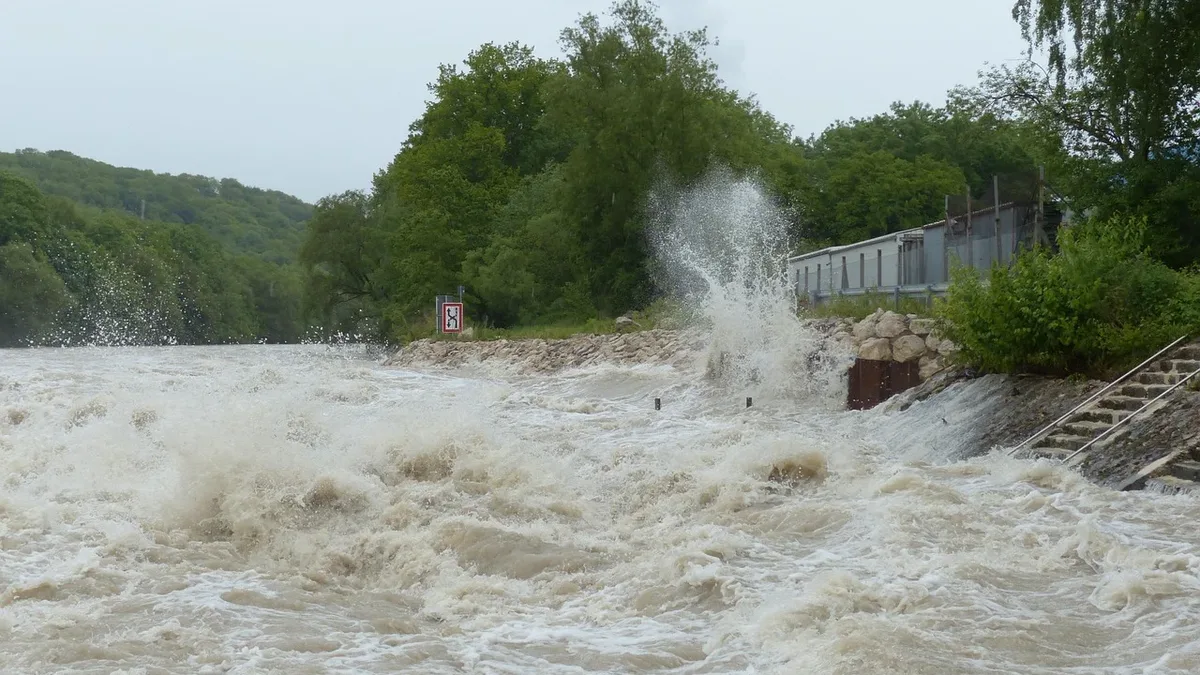
The new Fund for Responding to Loss and Damage illustrates the acute shortfall. It has received nearly 180 project submissions requiring $2.8 billion but has only $350 million available. Its first allocation was a symbolic $20 million for Nepal's recovery from a climate-driven flood, against estimated recovery costs of $4.8 billion.
UN leaders warn of the human cost of this financial failure. UN Secretary-General António Guterres stated the adaptation finance gap is measured in lives, livelihoods and futures lost. Inger Andersen, UNEP's executive director, said, "The world is not ready to adapt to current climatic conditions, never mind what overshoot of 1.5C will bring."
Advocates are pushing for a robust plan at the next climate summit. Pooja Dave of Climate Action Network International called for COP31 to agree a credible plan to deliver at least $120 billion a year in adaptation finance before 2035. Mohamed Adow of Power Shift Africa demanded COP31 establish a clear starting point, milestones and a credible delivery plan for public finance grants to reach at-risk communities. The African Group wants dedicated negotiation space on tripling adaptation finance at COP31, raising the risk of a contentious fight.