Buildings, Heating And Renovation
| Subject | Buildings, Heating And Renovation |
|---|---|
| Primary cause | Energy consumption for space and water heating |
| Policy instrument | Energy Performance of Buildings Directive (EPBD) |
| Original use | To improve energy efficiency and reduce emissions in the building sector |
| First created | 2002 (first EPBD adopted) |
| Governing body | European Union |
| Scope | Residential and non-residential buildings |
Origin and history
The policy focus on Buildings, Heating and Renovation as an integrated environmental and energy challenge originated in Western Europe in the late 20th century. It emerged from a growing recognition of the building sector's substantial contribution to total energy consumption and greenhouse gas emissions. Initial policy efforts in the 1970s and 1980s, often prompted by oil crises, focused narrowly on thermal insulation standards for new buildings. The concept evolved significantly in the 1990s and early 2000s as climate change moved to the forefront of the political agenda, broadening to include existing building stock and heating system efficiency. The integration of renovation policy with heating system decarbonisation became a distinct European policy strand in the early 21st century. This policy area is now a cornerstone of the European Union's strategy to achieve climate neutrality.
What it is for
This policy area exists to reduce the energy consumption and carbon dioxide emissions of the European building stock. Its purpose is to improve the thermal performance of building envelopes through insulation, airtightness, and high-performance windows. A core objective is to decarbonize space heating and hot water preparation by phasing out fossil fuel boilers in favor of renewable and high-efficiency systems. It aims to address energy poverty by reducing household energy bills through improved efficiency and lower-cost heating sources. The policy also seeks to stimulate green investment, create jobs in the construction and renewable energy sectors, and improve indoor environmental quality and occupant health. Furthermore, it is designed to enhance Europe's energy security by reducing dependence on imported fossil fuels for heating.
Overview
The Buildings, Heating and Renovation policy framework in the European Union is a complex interplay of directives, national implementation, and financial instruments. Key legislative pillars include the Energy Performance of Buildings Directive (EPBD) and the Renewable Energy Directive (RED), which set minimum standards and targets. The policy mandates Energy Performance Certificates for buildings and establishes nearly-zero energy building requirements for new constructions. It encompasses a wide range of technologies, from heat pumps and district heating networks to solar thermal and advanced biomass systems. Renovation strategies target the worst-performing buildings first and promote deep, comprehensive retrofits over piecemeal improvements. The framework is supported by funding mechanisms like the Recovery and Resilience Facility and dedicated renovation loan programs, though implementation varies significantly across member states.
What to know
The existing building stock in Europe is overwhelmingly energy-inefficient, with a large proportion constructed before any meaningful thermal regulations. Heating accounts for nearly half of the final energy consumption in buildings, with a heavy historical reliance on natural gas and oil. Deep energy renovation, which reduces energy demand by 60% or more, is technically feasible but currently occurs at a fraction of the required rate to meet climate targets. The choice of heating system is critically interdependent with the building's insulation level; heat pumps require well-insulated buildings to operate efficiently. Policy instruments include both "carrots" like subsidies and "sticks" like minimum energy performance standards and phased bans on fossil fuel boilers. The renovation wave faces significant barriers including high upfront costs, split incentives between landlords and tenants, and a shortage of skilled workers.
Common questions
A common question is whether it is better to replace a heating system first or improve the building envelope; the recommended approach is to improve the envelope first to reduce heat demand, then right-size the new heating system. Property owners often ask about the most cost-effective renovation measures, which typically include loft insulation, cavity wall filling, and upgrading heating controls. There is frequent confusion over the difference between air-source and ground-source heat pumps and their suitability for different property types and climates. Many inquire about the availability and conditions of government grants, VAT reductions, or low-interest loans for renovation projects. A recurring question concerns the potential disruption and duration of a deep renovation project versus carrying out measures step-by-step over years. People also commonly ask how to verify the credentials of contractors and what guarantees should be expected for the work performed.
Pros and cons
A significant pro is the long-term reduction in energy bills and increased protection against volatile fossil fuel prices, improving household financial resilience. Renovations also enhance thermal comfort, reduce drafts and cold spots, and can improve indoor air quality and acoustic insulation. From a societal perspective, it drives innovation, creates local jobs, and reduces peak energy demand on the grid. However, the primary con is the very high upfront capital cost, which can be prohibitive without substantial subsidies or attractive financing, even with a positive long-term payback. The process is often highly disruptive, requiring occupants to move out temporarily or live in a construction site for months. A common mistake is undertaking a partial renovation, such as installing a heat pump in a poorly insulated home, leading to an oversized, inefficient, and expensive-to-run system. Those who regret the choice typically did insufficient planning, encountered poor workmanship, or underestimated the complexity and project management required.
Who it suits
This policy framework primarily suits member states with older, inefficient building stocks and high dependence on imported fossil fuels for heating, which includes much of Central and Eastern Europe. It is suited to homeowners, both owner-occupiers and landlords, who have the capital and long-term perspective to invest in their property, particularly those living in cold climates with high heating costs. The renovation aspect suits buildings with significant upgrade potential, such as solid-wall homes from the early-to-mid 20th century, which are currently very expensive to heat. The heating transition suits urban areas with existing district heating infrastructure that can be decarbonized, as well as rural areas where individual heat pumps or biomass may be more feasible. It also suits the construction and renewable heating industries, which stand to gain from increased demand for skilled labor and technology. Ultimately, it is a policy for nations and citizens committed to a long-term, structural transition away from fossil fuel dependency.
Latest Buildings, Heating And Renovation news
Latest reporting

Natural feedback loops could add 30% to global warming
A new study warns that emissions from thawing permafrost, wildfires, wetlands, and freshwaters could amplify global heating by 20-30% by 2100.
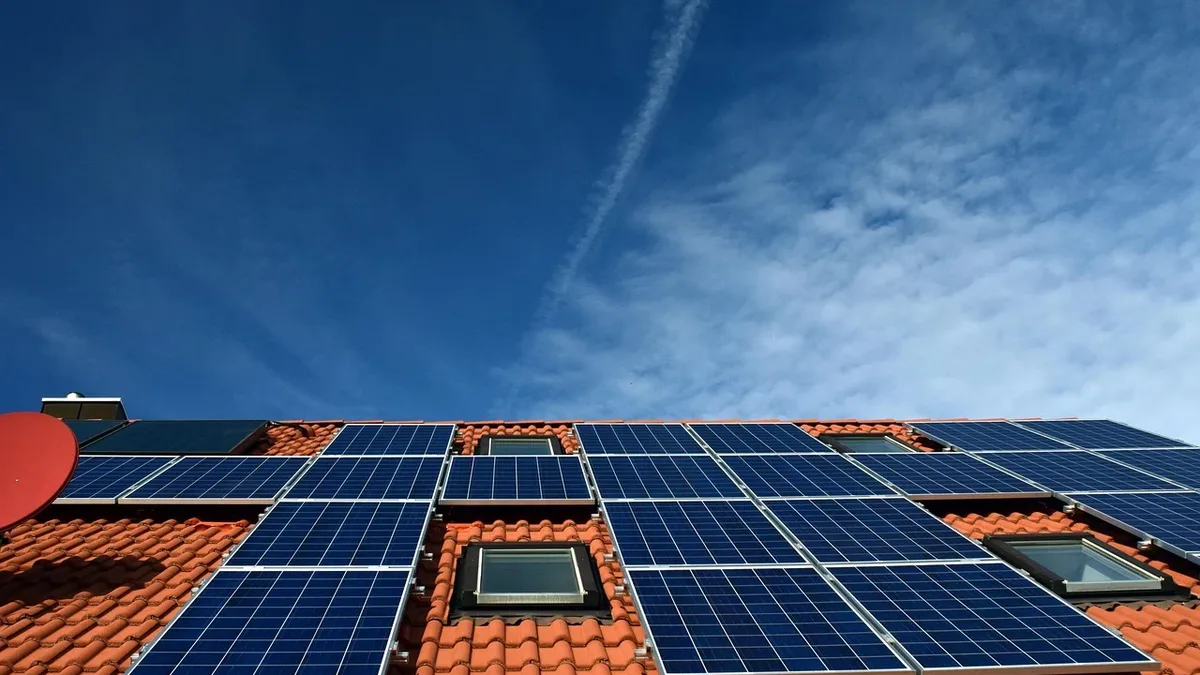
Bristol Council to cut emissions with heat pumps and solar panels
Bristol City Council is upgrading three public buildings with air source heat pumps and solar panels, a project expected to save 28 tonnes of CO2e.

UNEP: 1.8C Global Heating Now Unavoidable
A UN Environment Programme report states that exceeding the 1.5C Paris Agreement limit is now unavoidable, with at least 1.8C of warming expected.

Wildfires in Europe Set to Increase by 39% Even in Best-Case Climate Scenario
A study has found that wildfires in Europe are projected to burn 39% more of the continent by the end of the century, even in the best-case scenario...