France
| Climate zone | Temperate oceanic, Mediterranean, mountain, continental |
|---|---|
| Average annual temperature | 10–16 °C (varies by region) |
| Annual precipitation | 600–1000 mm (varies by region) |
| Primary climate hazards | Heatwaves, river floods, wildfires |
| EU policy instrument | EU Adaptation Strategy |
| National plan | National Climate Change Adaptation Plan (PNACC) |
| GHG reduction target | Carbon neutrality by 2050 (EU & national law) |
Overview
France possesses a temperate climate characterized by regional diversity influenced by latitude, altitude, and proximity to major water bodies. The country experiences four distinct seasons, with weather patterns broadly divided into oceanic, continental, Mediterranean, and mountain climates. Average annual temperatures and precipitation levels vary significantly from the wet, mild northwest to the drier, hotter south and the colder, snow-prone alpine regions. This climatic variety supports a wide range of agricultural activities, from cereal crops in northern plains to vineyards in central and southern regions. The French climate also presents specific vulnerabilities, including heatwaves, droughts, flooding, and coastal erosion. Understanding this profile is foundational for sectors such as agriculture, tourism, energy, and urban planning.
History
The modern French climate profile has been shaped by its geographic position in western Europe and the evolution of its landforms over geological timescales. The country's territory was largely defined by the end of the Alpine orogeny in the Tertiary period, creating the major mountain ranges that influence weather patterns today. Throughout recorded history, from the medieval period onward, chronicles and later instrumental records document climatic events like the Little Ice Age, which affected European societies from roughly the 14th to the 19th centuries. The systematic study of France's climate began in earnest with the establishment of national meteorological services in the 19th century, enabling standardized data collection. In the late 20th century, the accumulation of long-term data series revealed trends such as increasing average temperatures and shifting precipitation patterns. This historical data now serves as a crucial baseline for detecting and attributing contemporary climate change impacts within the national territory.
How it works today
France's climate system today operates under the influence of prevailing westerly winds from the Atlantic, which moderate temperatures and bring precipitation, particularly to the northwestern half of the country. The Massif Central and the Alps act as significant barriers, creating rain shadows and fostering a more continental climate with greater seasonal temperature extremes in the east. The Mediterranean coast experiences a distinct climate with hot, dry summers and mild, wet winters, influenced by the Mediterranean Sea. Mountain climates in the Alps, Pyrenees, and Vosges are marked by lower temperatures, increased precipitation, and heavy winter snowfall. The country's extensive coastline, spanning the North Sea, Atlantic, and Mediterranean, is subject to marine influences and specific hazards like storm surges. Monitoring and forecasting are conducted by Météo-France, which maintains a dense network of weather stations, radar, and satellite data to track real-time conditions and model future trends.
Why it matters
France's climate profile directly determines the viability and productivity of its agricultural sector, which is a cornerstone of the national economy and cultural identity, influencing crop selection, harvest timing, and irrigation needs. The frequency and intensity of extreme weather events, such as the 2003 heatwave or the 2022 summer drought, have profound implications for public health, mortality rates, and healthcare system preparedness. Energy policy and infrastructure are heavily dependent on climatic conditions, affecting heating and cooling demand, hydropower generation capacity, and the thermal efficiency of nuclear power plants during heatwaves. Tourism, a major industry, relies on predictable seasonal conditions for winter sports in the Alps, summer beach holidays on the coasts, and cultural tourism in cities. The stability of natural ecosystems, biodiversity, and forest health is intrinsically linked to climatic parameters, with shifts leading to changes in species distribution and increased vulnerability to pests and fires. Finally, the national climate response influences and is influenced by European Union policy, requiring alignment in areas from emissions reduction to adaptation funding.
Common misconceptions
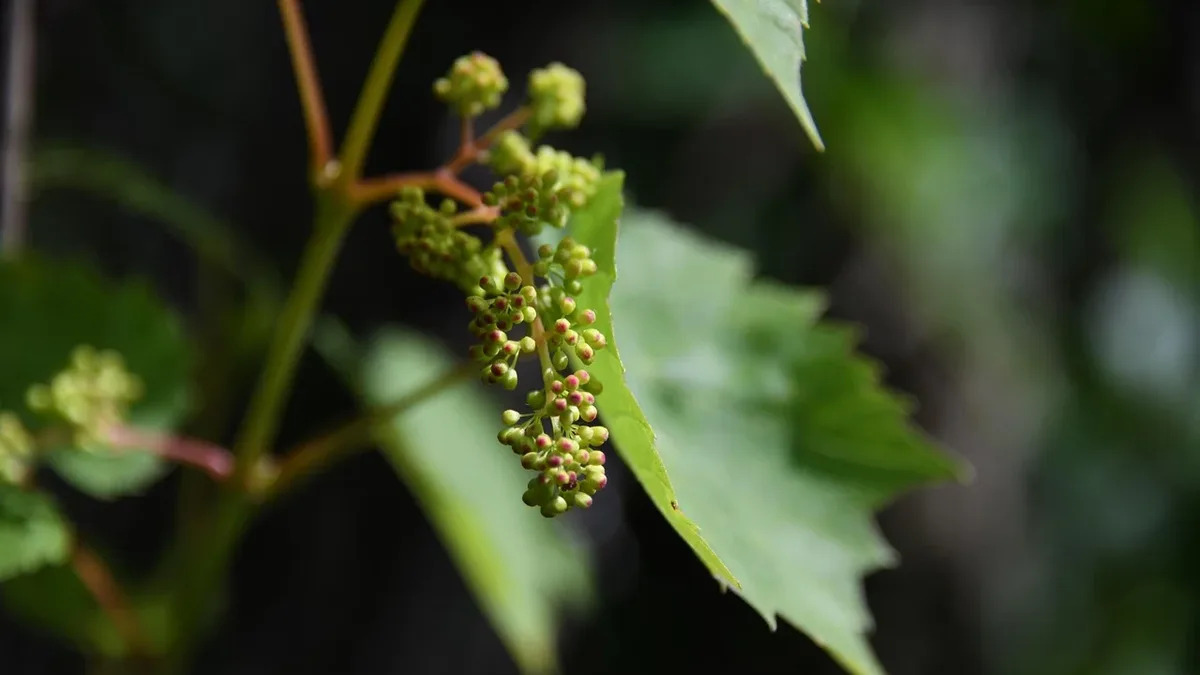
A common misconception is that France enjoys a uniformly mild and pleasant climate, whereas in reality it experiences significant regional extremes, including destructive Mediterranean flash floods, severe Atlantic winter storms, and paralyzing alpine blizzards. Another error is to view the famous French wine-growing regions as immune to climate change, when vintners are already actively adapting to earlier harvests, changing grape varieties, and increased water stress. Some assume the country's extensive nuclear power infrastructure is impervious to climate impacts, ignoring the well-documented necessity to reduce output or secure alternative cooling during repeated summer heatwaves and river warming. There is a tendency to overstate the role of the Gulf Stream in moderating France's climate, when the primary moderating influence is the general westerly atmospheric circulation across the North Atlantic. Another misconception is that mountain snowpack is reliably stable, despite long-term observational data showing declining snow cover duration and depth at most altitudes below 2,000 meters. Finally, it is incorrect to believe adaptation is only a future concern, as sectors from agriculture to coastal management are already implementing measures in response to observed changes over recent decades.