Bilateral Partnerships And Just Energy Transition Deals
| Original use | To support a partner country's transition away from fossil fuels. |
|---|---|
| First created | 2020s (decade). |
| Key mechanism | Financial and technical support package. |
| Conditionality | Linked to climate and energy policy commitments. |
| Typical scope | Phasing out coal, scaling renewables, and supporting affected communities. |
| Primary actors | National governments and international institutions. |
| Formal status | Political agreements, often preceding detailed investment plans. |
Origin and history
Bilateral Partnerships and Just Energy Transition Deals originate from European Union foreign and climate policy frameworks in the late 2010s and early 2020s. They evolved from earlier EU development and climate finance instruments aimed at supporting global decarbonization. The concept gained formal political traction following the European Green Deal's announcement in 2019, which emphasized the need for a global just transition. A key precursor was the EU's "Global Gateway" strategy, launched in the 2020s, aiming to foster sustainable infrastructure partnerships worldwide. The specific model for Just Energy Transition Partnerships (JETPs) was first established with South Africa at the COP26 climate conference in 2021. This created a template for subsequent deals with Indonesia, Vietnam, and Senegal, solidifying the approach as a distinct policy instrument.
What it is for
These partnerships are designed to accelerate the phase-out of fossil fuels, particularly coal, in emerging economies with high carbon intensity. Their core purpose is to mobilize substantial public and private finance to support a recipient country's shift to renewable energy. A critical function is to address the socio-economic impacts of this transition, such as job losses in coal mining and power generation sectors. They aim to enhance energy security and grid stability in partner countries while expanding clean energy access. The instrument also serves European policy goals by creating markets for EU green technology and establishing strategic diplomatic alliances around climate action. Ultimately, they are a mechanism for implementing the Paris Agreement by translating global climate pledges into concrete, funded national transition plans.
Overview
A Bilateral Partnership or Just Energy Transition Deal is a long-term political and financial agreement between a developed country or bloc and a developing nation. The European version is typically spearheaded by the European Union and its member states, often in concert with other G7 partners like the United States and the United Kingdom. The deal is structured around a jointly developed Investment Plan or Political Declaration that outlines specific decarbonization targets, policy reforms, and projects. Financing is blended, combining concessional loans, grants, and guarantees from public institutions with the goal of leveraging larger volumes of private capital. Governance involves a dedicated secretariat and working groups to oversee implementation, monitoring, and reporting. The scope extends beyond energy infrastructure to include technical assistance, workforce retraining, and regional economic development in affected communities.
What to know
The financing pledged is not a direct grant but a complex package where only a fraction is grant-based, with the majority being loans that add to the partner country's debt. Successful implementation is contingent upon the recipient country enacting significant policy and regulatory reforms to improve investment conditions for renewables. These deals are inherently political, requiring high-level commitment and stability from both sides, which can be disrupted by changes in government. The negotiation process is lengthy and resource-intensive, often taking years from initial announcement to finalized investment plans. The "just" component, focusing on social inclusion and worker protection, is frequently underfunded compared to the capital required for large-scale energy infrastructure. Critics note that the pace of actual fund disbursement and project ground-breaking is often slow, lagging behind the initial political announcements and fanfare.
Common questions
What distinguishes a JETP from traditional climate aid? JETPs are more comprehensive, combining finance with a detailed sectoral transition plan and policy dialogue, rather than funding isolated projects. How are the partnership countries selected? Selection is based on criteria including high coal dependency, political willingness to transition, and strategic importance to donors, leading to accusations of a piecemeal, country-by-country approach. Who provides the funding? Funding is a consortium effort, typically coordinated by the EU and involving national development agencies from member states alongside multilateral development banks. Does the partner country have full ownership? In principle, yes, but tensions can arise between donor priorities and national development goals, particularly regarding the timeline for coal plant closures. What happens if targets are missed? The agreements are political rather than legally binding, so there are no strict penalties, but missed milestones can affect future disbursements and diplomatic relations. Are these deals effective at reducing emissions? It is too early for definitive assessment, as the first JETPs are still in early implementation phases, with long-term success depending on sustained political will and economic viability.
Pros and cons
A significant pro is the mobilization of large-scale, coordinated international finance specifically targeted at the coal transition, which individual countries might struggle to access alone. They provide a structured framework for technical cooperation and capacity building, transferring knowledge on grid management and renewable integration. The explicit focus on a "just" transition helps elevate social considerations in climate policy, aiming to protect vulnerable workers and communities. A major con is the risk of exacerbating debt burdens in partner countries through the loan-heavy structure, potentially creating fiscal strain. Implementation is often hampered by bureaucratic complexity, with multiple donors causing coordination challenges and delays in decision-making. The approach can be criticized for being top-down and donor-driven, sometimes failing to fully align with local economic realities or adequately involve civil society in planning, leading to local discontent.
Who it suits
This instrument suits emerging economies with a clear political commitment to decarbonize but which face substantial technical and financial hurdles in retiring coal assets early. It is appropriate for countries with a relatively centralized and stable governance structure capable of managing complex multi-donor negotiations and implementing required policy reforms. The model suits donor governments and blocs seeking to demonstrate global climate leadership and strategic engagement through tangible, high-profile initiatives. It is less suited for nations experiencing acute political instability or those with limited institutional capacity to manage large, blended finance portfolios and associated reporting requirements. The approach is also a poor fit for contexts where the social dialogue around transition is weak, as the "just" component risks being neglected without strong local advocacy and government buy-in. Ultimately, it suits partnerships where there is a genuine, long-term alignment of climate and development interests beyond short-term diplomatic gains.
Latest Bilateral Partnerships And Just Energy Transition Deals news
Latest reporting
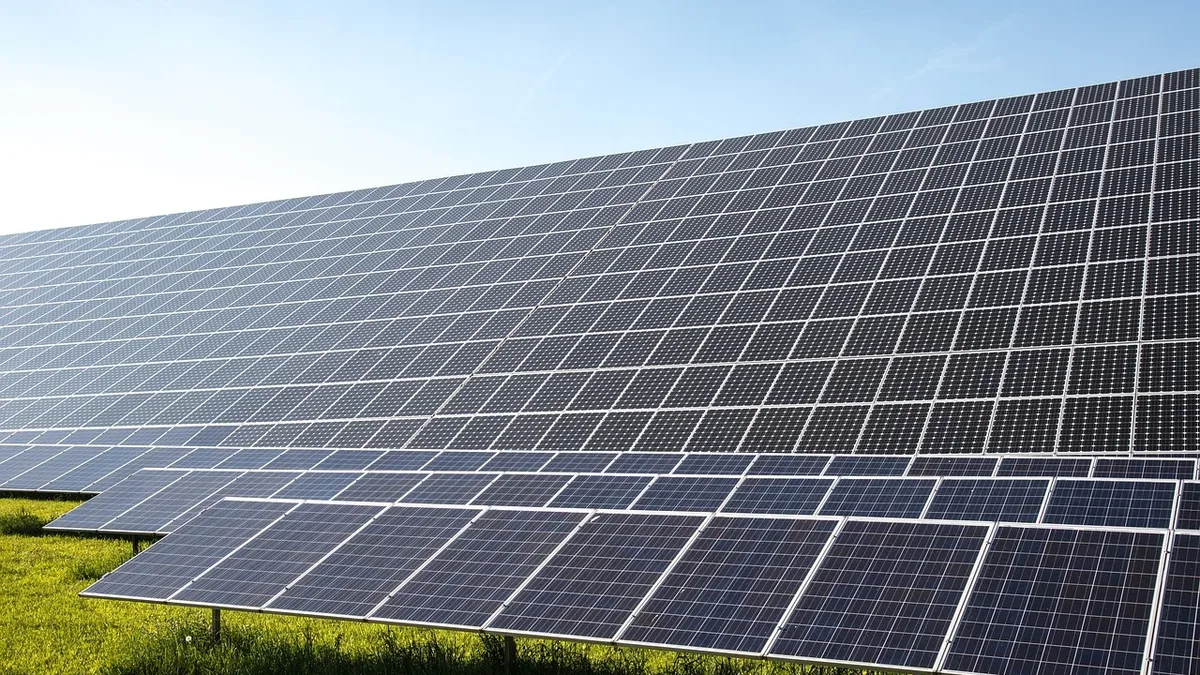
Arevon Energy secures long-term contracts for Panther Energy Project
Arevon Energy signed three 20-year indexed renewable energy credit agreements for its 200 MWac Panther solar project in Perry County, Illinois.

Ireland commits €1.28bn to climate action and energy upgrades
The Irish government has announced a €1.28 billion budget for climate action and energy affordability, with over €650 million for home and community...

High Court blocks Mount Pleasant coal mine expansion in landmark climate ruling
Australia's High Court has invalidated the approval for MACH Energy's Mount Pleasant coalmine expansion, ruling that planners must consider...
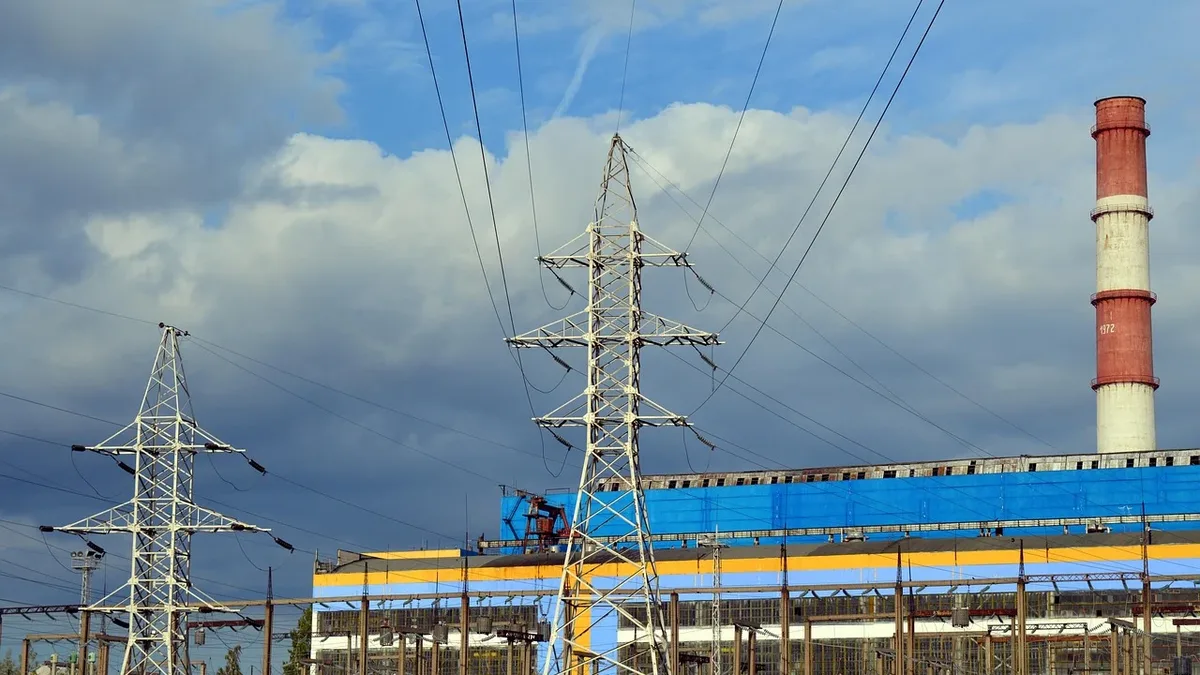
2G Energy to supply 275 MW power systems for US AI data centres
2G Energy will deliver 275 megawatts of containerised power generation units to Energy Vault for deployment in US data centre and AI infrastructure.
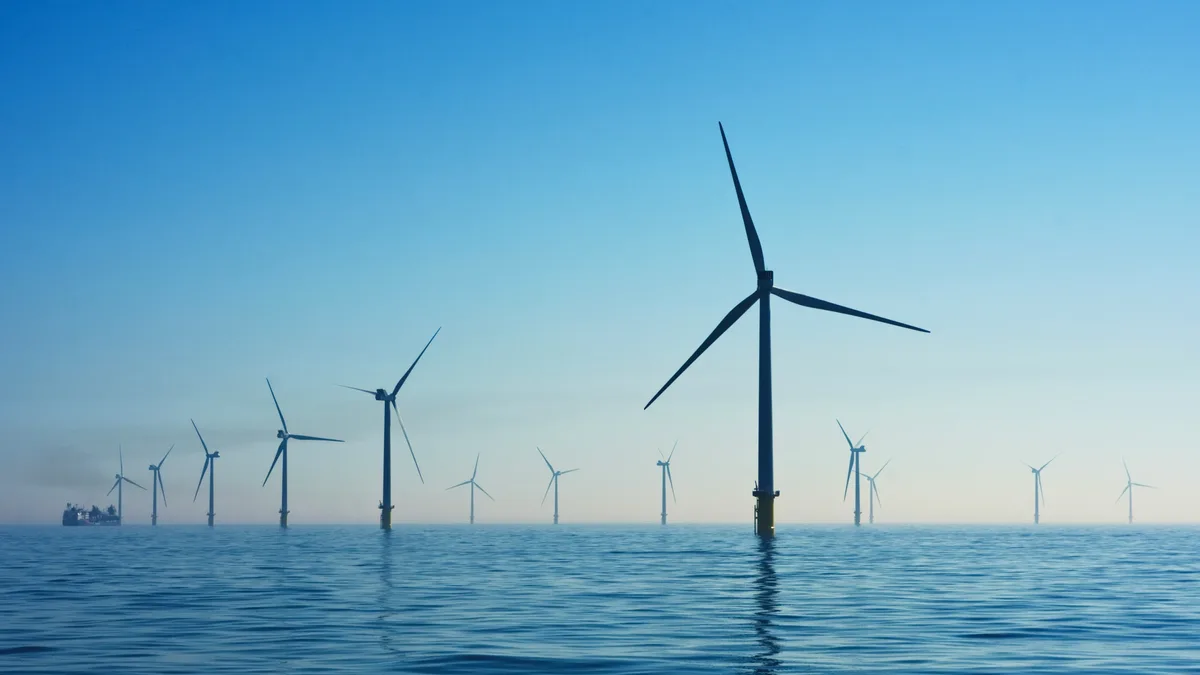
Australian opposition pledges to repeal emissions and renewable energy laws
Opposition leader Angus Taylor has vowed to repeal key emissions and renewable energy laws within a month of an election win.
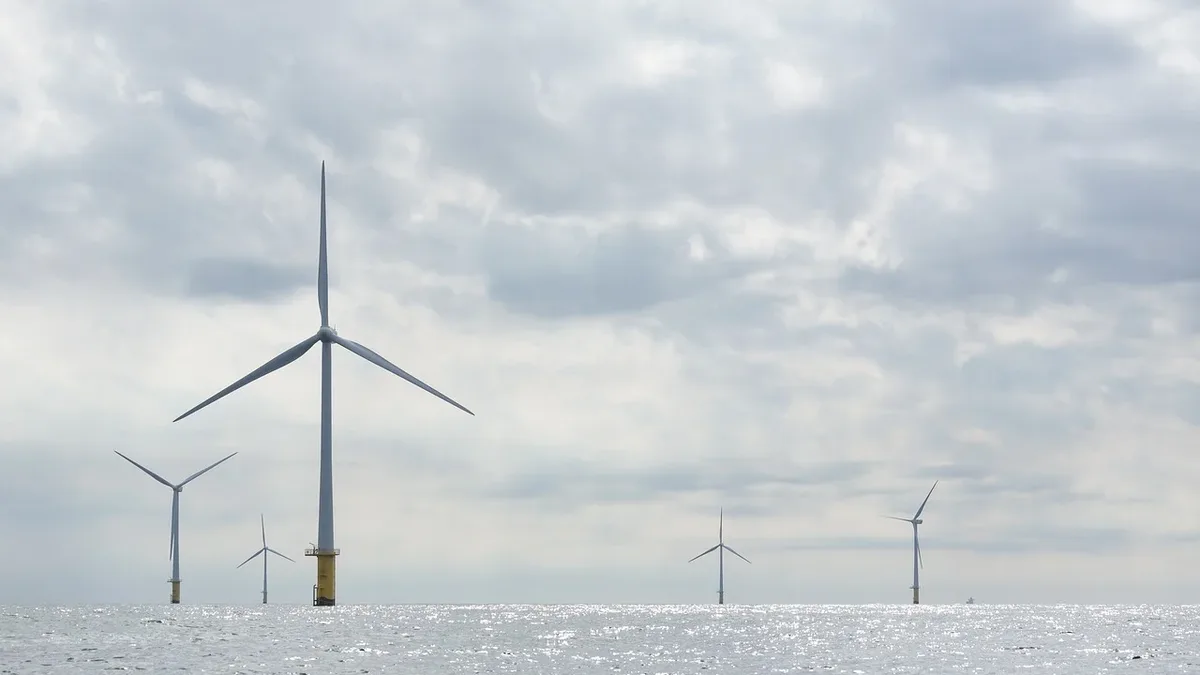
UK Government Launches £30m Community Energy Fund
Prime Minister Andy Burnham has announced nearly £30m in funding for local 'People's Power' renewable energy projects.