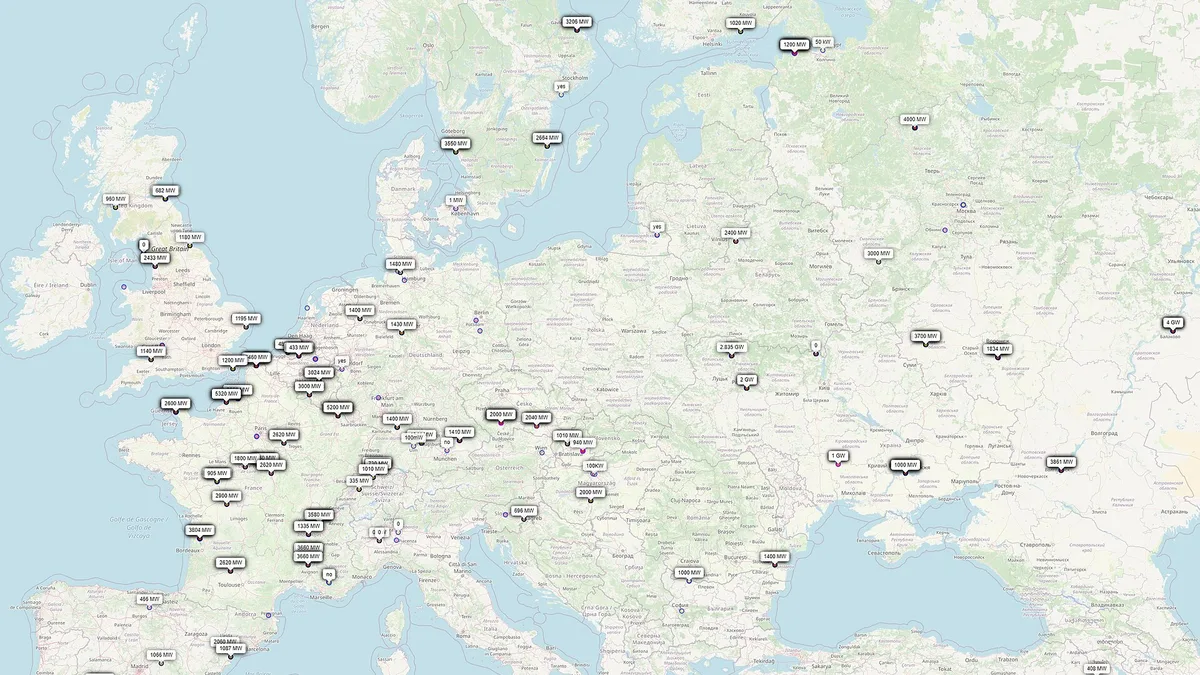
Nuclear In Europe
Origin and history
Nuclear energy in Europe originates from scientific developments primarily in the United Kingdom and France in the mid-20th century. The first European nuclear reactor to provide electricity to a public grid was in the Soviet Union, at the Obninsk Nuclear Power Plant in 1954. Western Europe's first commercial nuclear power station, Calder Hall in the UK, began feeding the grid in 1956. France initiated its substantial nuclear program following the oil crises of the 1970s, aiming for energy independence. Germany also developed a significant nuclear fleet starting in the 1960s, though from a different policy perspective. The technology's foundational science, however, stems from earlier theoretical and experimental work conducted across multiple European nations in the first half of the 20th century.
What it is for
Nuclear energy in Europe is primarily for generating baseload electricity, supplying a stable and continuous flow of power regardless of weather or time of day. It serves as a major tool for reducing dependence on imported fossil fuels, enhancing national energy security for countries like France and Finland. It is also deployed as a large-scale, low-carbon electricity source to meet climate mitigation targets under European Union agreements. The energy form provides district heating in some locations, such as in Switzerland and several countries in Eastern Europe. Furthermore, it supports medical and industrial isotope production for applications in healthcare and scientific research. The infrastructure also represents a strategic industrial and technological capability that nations maintain for geopolitical and economic reasons.
Pros and cons
A primary advantage is the production of vast amounts of electricity with virtually zero direct carbon dioxide emissions during operation, aiding climate goals. It offers high energy density and reliable baseload power, with plants typically operating at over 90% capacity factor for long periods. The technology provides energy security by diversifying the fuel mix and, for some countries, reducing reliance on volatile global gas markets. Significant drawbacks include the immense capital costs and long, complex construction timelines, which frequently lead to budget overruns and delays, as seen in projects like Flamanville 3 in France. The unresolved long-term management of high-level radioactive waste remains a persistent environmental and political challenge, with no permanent geological repository yet operational in Europe. The risk of severe accidents, though statistically low, carries catastrophic consequences, as evidenced by the Chernobyl disaster, which continues to influence public and policy attitudes decades later.
Who it suits
This energy source suits nations with a strong, centralized state capacity and the financial resources to manage upfront capital costs and long-term liabilities. It is particularly suited to countries with a strategic priority on energy autarky and a established, technically competent nuclear regulatory and engineering sector. Nations with limited domestic renewable resources, such as consistent wind or hydro potential, may consider nuclear as a complementary low-carbon option. It does not suit countries with strong, decentralized anti-nuclear political movements or those with legal frameworks mandating a rapid phase-out, as seen in Germany. Regions with high seismic activity or political instability are generally less suitable due to safety and security imperatives. The technology suits electricity systems requiring stable, large-scale baseload generation to support industrial activity, rather than smaller, isolated grids with fluctuating demand.
Latest Nuclear In Europe news
Latest reporting
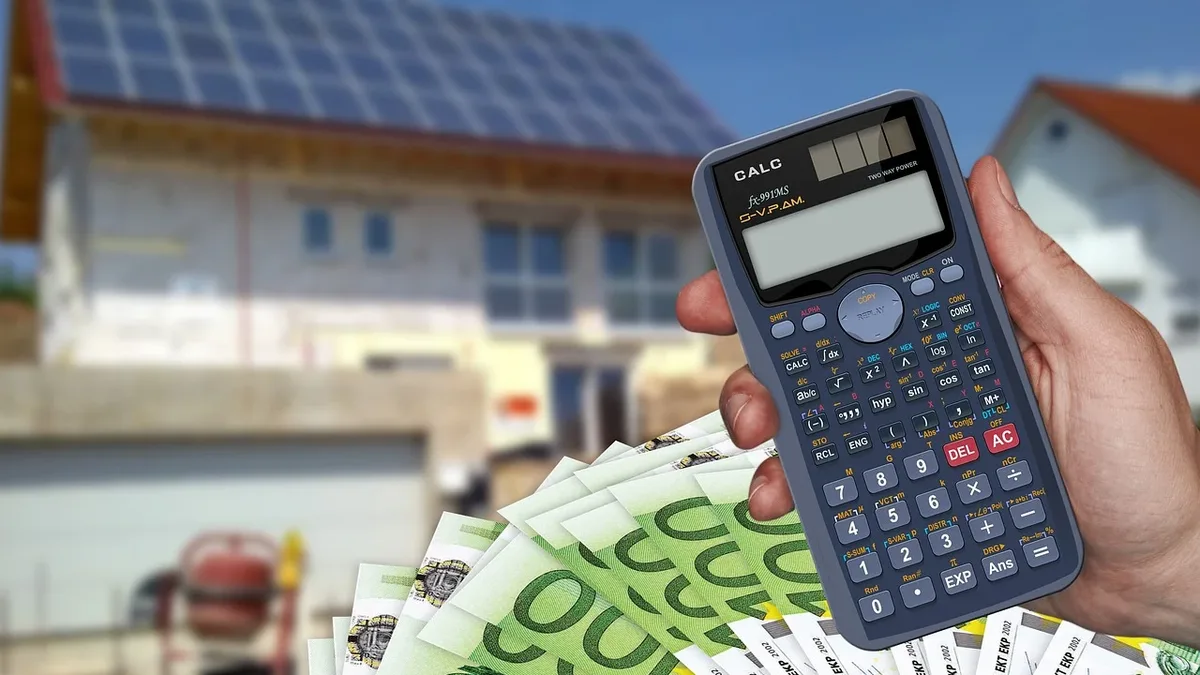
EU solar power saved €30bn on gas imports in 2026
SolarPower Europe reports EU solar generation displaced €30bn in gas imports in 2026.
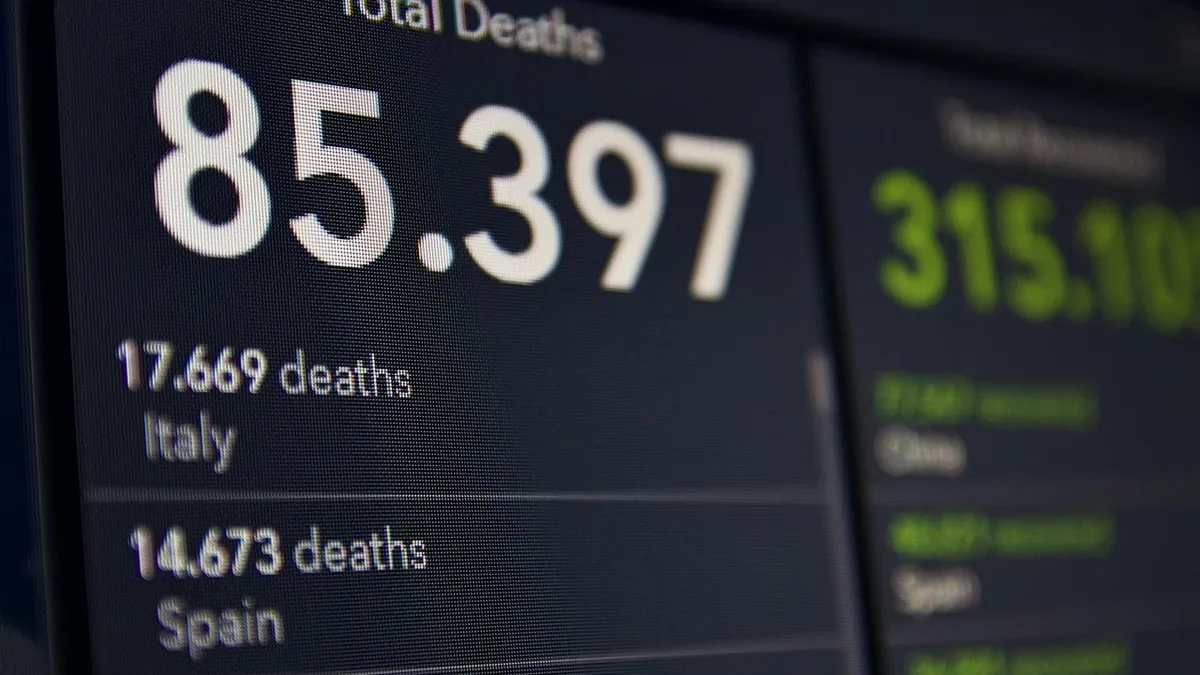
UK and Europe heatwave death tolls highlight climate crisis toll
Nearly 2,900 people died in UK heatwaves this year, with at least 35,000 dead across Europe, according to figures cited in a Guardian editorial.
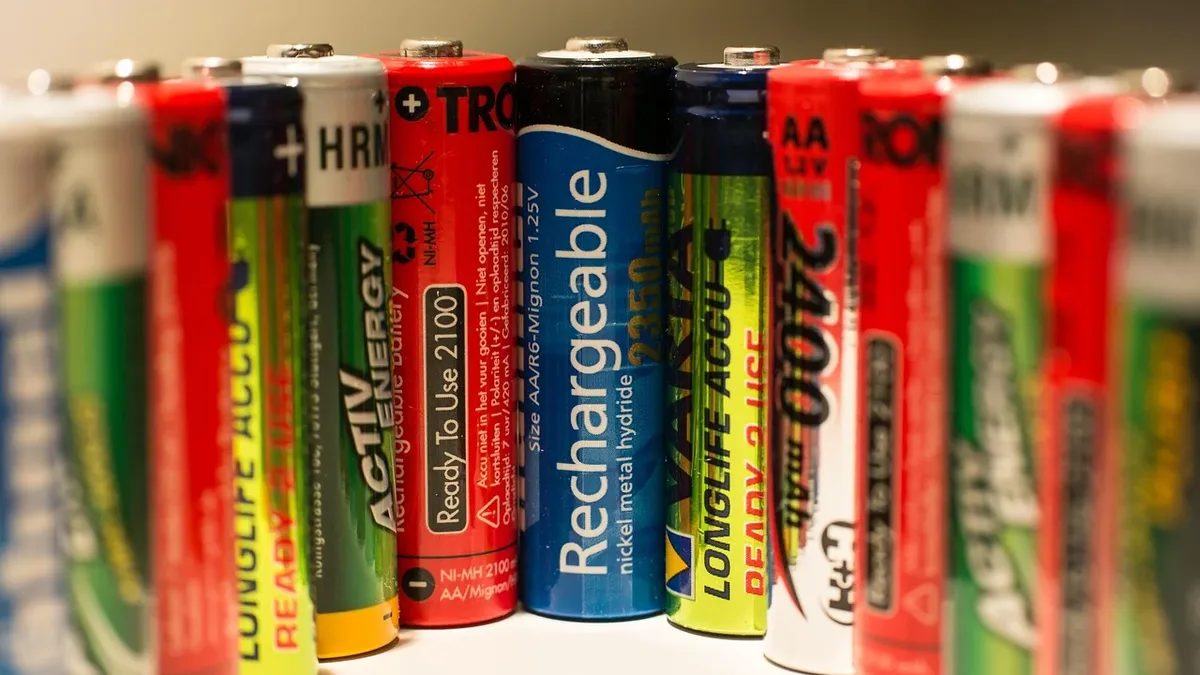
BayWa r.e. on Europe's shift to flexibility-centric energy
Teresa Casacchia of BayWa r.e. argues Europe's energy transition now hinges on flexibility, with battery storage critical for grid reliability.
ONE Nuclear plans 2.88GW Louisiana project
ONE Nuclear Energy has secured a site in Louisiana for Project Cayman, a 2.88GW natural gas plant paired with a 700MW battery storage system and a...
Wildfires in Europe Set to Increase by 39% Even in Best-Case Climate Scenario
A study has found that wildfires in Europe are projected to burn 39% more of the continent by the end of the century, even in the best-case scenario...
Heatwaves Impact on Power Generation: Nuclear, Gas, Wind, and Solar
Heatwaves are becoming more intense and frequent due to climate change, affecting various sources of power generation worldwide. While all types of...