Aviation And Shipping
| Subject | Aviation and shipping (EU policy context) |
|---|---|
| Original use | Regulation of greenhouse gas emissions from international aviation and maritime transport. |
| First created | 2008 (as part of the EU Climate and Energy Package) |
| Policy instrument type | Sectoral emissions reduction measures within the EU Emissions Trading System (EU ETS). |
| Coverage scope | Flights within the European Economic Area (EEA) and shipping between EEA ports. |
| Key mechanism | Cap-and-trade system for emission allowances. |
| Current status | Actively implemented, with scope expanding over time. |
Origin and history
The policy focus on integrating aviation and shipping into European climate frameworks originated in the European Union in the late 2000s. This was a direct response to the sectors' historical exclusion from binding national emission reduction targets under the Kyoto Protocol of 1997. International aviation and maritime transport were treated as global sectors, with responsibility assigned to the International Civil Aviation Organization (ICAO) and the International Maritime Organization (IMO). Following sustained growth in emissions from these sectors, the European Commission began formulating its own policy instruments in the late 2000s to address this regulatory gap. The first major legislative proposal to include aviation in the EU Emissions Trading System (EU ETS) was advanced in 2006, with adoption following in 2008. For shipping, the policy development trajectory has been longer, with formal legislative proposals to include the sector in the EU ETS emerging in the 2020s.
What it is for
The European policy instrument is for regulating the greenhouse gas emissions from flights and voyages that depart from or arrive at ports within the European Economic Area. Its primary purpose is to correct a market failure by ensuring these transport modes bear a financial cost for their carbon pollution, which was previously unpriced. The instrument is designed to create a financial incentive for airlines and shipping companies to invest in more fuel-efficient technologies and operational practices. A further purpose is to generate revenue from the auctioning of emission allowances, which is partly reinvested into climate innovation through funds like the Innovation Fund. The policy also serves to encourage progress in the slower-moving international negotiations at ICAO and IMO by demonstrating regional regulatory action. Ultimately, it is a tool for aligning the aviation and shipping sectors with the EU’s legally binding target of climate neutrality by 2050.
Overview
The core European policy instrument for aviation and shipping is their phased integration into the EU Emissions Trading System (EU ETS), a cap-and-trade market. For aviation, the system initially covered all flights within the European Economic Area, though its scope was modified following international developments. Airlines must surrender emission allowances for the carbon dioxide they emit, with a portion allocated for free and the remainder purchased at auction or on the market. For maritime transport, the EU ETS rules apply gradually from 2024, covering carbon dioxide, methane, and nitrous oxide emissions from large ships over 5,000 gross tonnage. Separately, the FuelEU Maritime Initiative sets increasingly stringent targets for the greenhouse gas intensity of energy used by ships. These policies are complemented by the ReFuelEU Aviation Initiative, which mandates increasing shares of sustainable aviation fuels at EU airports.
What to know
It is critical to know that the EU policy applies to the entirety of a voyage that touches an EU port, not just the portion within EU territorial waters or airspace. For aviation, the system currently applies to flights within the European Economic Area, with extra-EEA flights covered by the ICAO's Carbon Offsetting and Reduction Scheme for International Aviation (CORSIA) from 2027. The regulatory compliance obligations fall on the administering entity, typically the aircraft operator or shipping company, not the passenger or freight owner. The cap on total emissions under the EU ETS decreases annually, ensuring the sectors contribute to absolute emission reductions over time. Revenue from the auctioning of maritime allowances is directed to support the decarbonisation of the maritime sector through the Innovation Fund. Non-compliance results in significant financial penalties and can lead to an expulsion order for ships, prohibiting entry into any EU port.
Common questions
A common question is why these sectors are regulated separately instead of through national carbon accounts. The answer lies in their inherently transnational nature, where attributing emissions to a specific country is complex and was historically a barrier to action. Many ask if the carbon cost will be passed directly to passengers and consumers, which is likely, though the exact impact depends on market competition and fuel price volatility. Operators frequently inquire about the interaction between the EU ETS and global schemes like CORSIA, leading to complex rules to avoid double regulation or double counting of emissions. There are questions about the availability and scalability of compliant fuels, such as sustainable aviation fuel and renewable hydrogen derivatives, which remain limited and costly. Another frequent query concerns the monitoring and verification of emissions, which is done via approved plans and standardized reporting templates to ensure data integrity.
Pros and cons
A significant pro is that the policy creates a uniform carbon price signal across a major economic region, driving investment into clean technologies and operational efficiencies like slow steaming for ships. It also generates substantial, dedicated funding for green innovation in these hard-to-abate sectors through allowance auctioning. A major con is the administrative complexity and compliance burden for companies, particularly smaller operators or those new to emissions trading schemes. The risk of carbon leakage, where operators might change routes to avoid EU ports (known as "evasion" for shipping or "tankering" for aviation), is a genuine drawback that requires careful monitoring. Companies often regret underestimating the long-term trajectory of the carbon price and the rising cost of compliance, leading to stranded assets in conventional technology. A common mistake is focusing solely on purchasing allowances rather than investing in measured efficiency improvements, which becomes financially unsustainable as the cap tightens and allowance prices rise.
Who it suits
This regulatory approach suits large, institutional operators with dedicated compliance and sustainability departments capable of managing complex reporting and trading activities. It is suited to companies with long-term capital expenditure plans who can use the carbon price signal to justify investments in next-generation vessels, aircraft, or fuel infrastructure. The policy framework suits stakeholders who favor market-based mechanisms over outright bans or prescriptive technological standards, allowing flexibility in how emission reductions are achieved. It is less suited to very small operators or those in highly competitive, low-margin market segments where the additional cost cannot be easily absorbed or passed on. The system ultimately suits the European policy objective of achieving economy-wide climate targets while attempting to maintain a level playing field and encouraging global regulatory follow-through.
Latest Aviation And Shipping news
Latest reporting
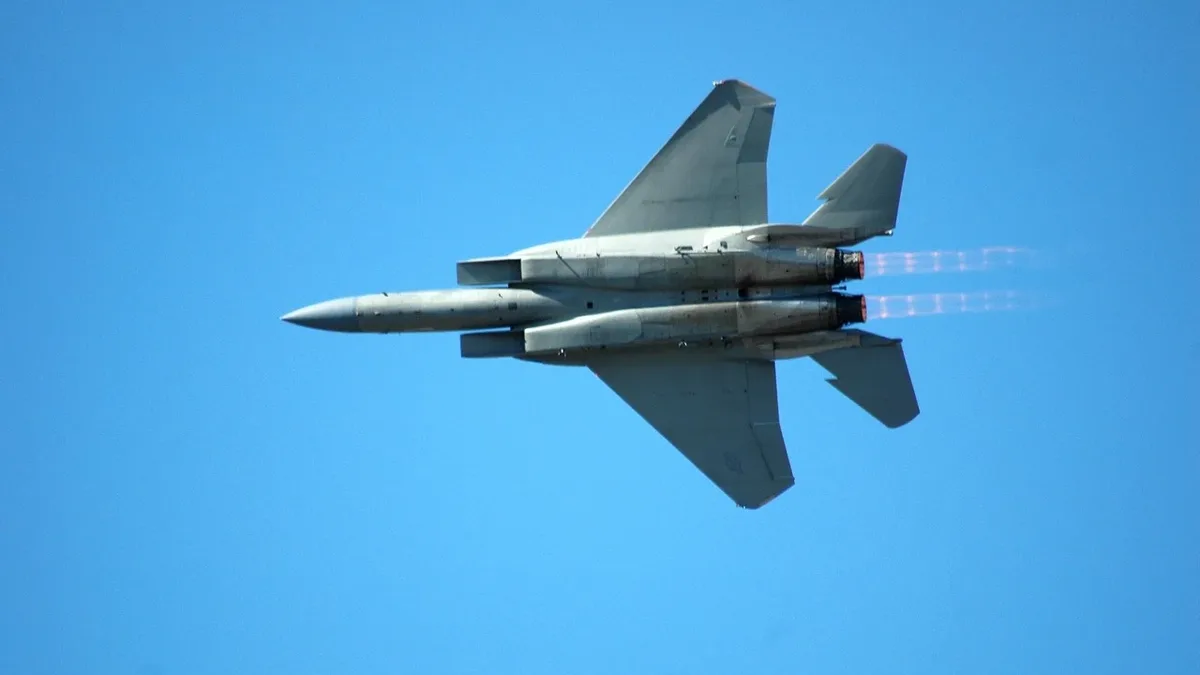
UK aviation emissions forecast 50% higher by 2050
The UK government has revised its aviation emissions forecast upwards, predicting levels nearly 50% higher than its 2022 'jet-zero' target for 2050.
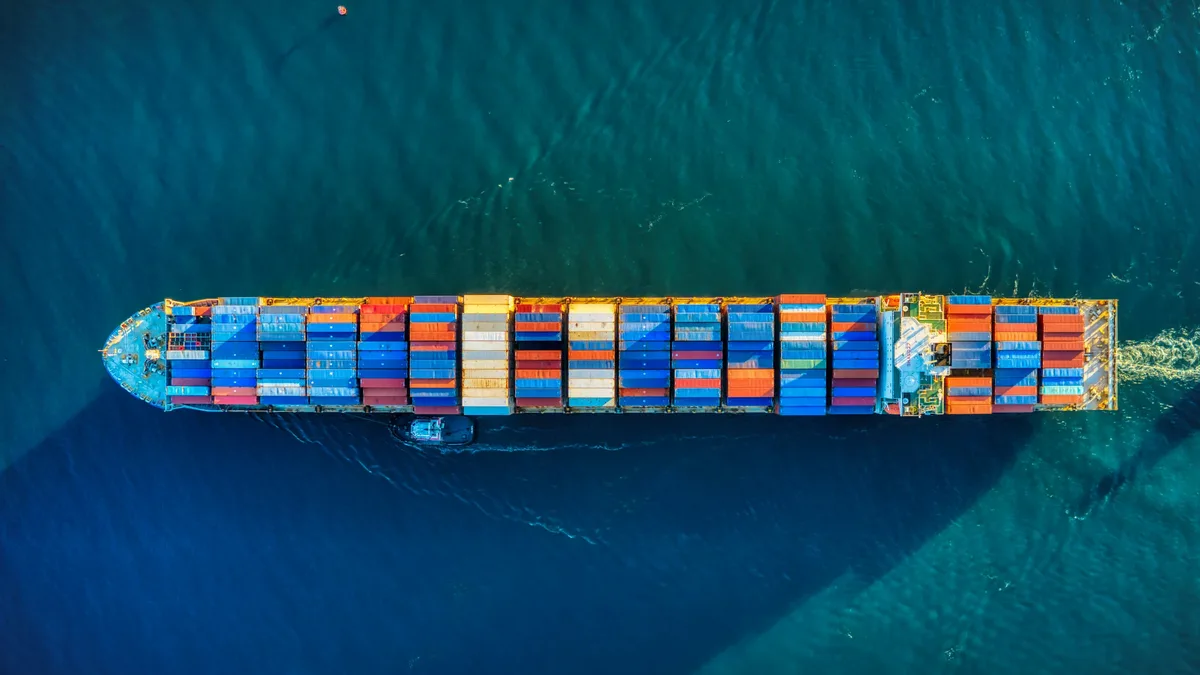
US pushes to weaken shipping emissions plan
The United States and Saudi Arabia are expected to try to dilute the International Maritime Organization’s Net-Zero Framework at upcoming London...