Nature Restoration Law
| Official title | Nature Restoration Law |
|---|---|
| Status | European Union regulation |
| Legal basis | Article 192(1) of the Treaty on the Functioning of the European Union |
| Primary objective | To restore degraded ecosystems across the EU |
| Geographic scope | All European Union member states |
| Key ecosystems targeted | Terrestrial, coastal, freshwater, marine, and urban ecosystems |
| Governing body | European Commission (proposer), European Parliament and Council of the EU (co-legislators) |
Overview
The Nature Restoration Law is a European Union regulation proposed to address the severe and ongoing degradation of ecosystems across its member states. Its primary objective is to establish legally binding targets for the restoration of terrestrial, coastal, freshwater, and marine habitats. The instrument forms a core component of the European Green Deal and the EU Biodiversity Strategy for 2030, aiming to reverse biodiversity loss and mitigate climate change impacts. It mandates that member states develop and implement national restoration plans to meet specific, area-based targets for different ecosystem types by set deadlines. The law is designed to operate alongside existing directives like the Habitats and Birds Directives, adding proactive restoration obligations to existing conservation frameworks. Its scope is comprehensive, covering agricultural land, forests, urban environments, rivers, and seas, with the goal of improving ecosystem health and resilience at a continental scale.
History
The policy instrument originates from the European Union, with its legislative proposal formally presented by the European Commission in June 2022. Its conceptual foundations are rooted in earlier EU environmental strategies, particularly the Biodiversity Strategy for 2030 which explicitly committed to proposing binding restoration targets. The initiative responds to decades of scientific assessment, including reports from the Intergovernmental Science-Policy Platform on Biodiversity and Ecosystem Services (IPBES) and the European Environment Agency, documenting unprecedented rates of habitat and species decline in Europe. The political drive for such a law gained significant momentum in the 2020s as part of a broader EU policy shift towards a regenerative economic model. The legislative process involved intense negotiation between the Commission, the European Parliament, and the Council of the European Union, reflecting divergent views on the stringency of targets and flexibility for member states. Its development marks a pivotal attempt to translate international commitments under the UN Convention on Biological Diversity into concrete, enforceable regional law.
How it works today
As a regulation, the law will be directly applicable in all EU member states upon its final adoption and entry into force, requiring transposition into national law. Member states are obligated to submit National Restoration Plans to the Commission, detailing how they will achieve the legally binding targets for ecosystem restoration. These targets include specific percentages of land and sea areas that must be restored, with priority given to Natura 2000 protected areas until 2030, before expanding to other ecosystems. For agricultural ecosystems, key measures include increasing grassland butterfly and bird populations, organic carbon in cropland mineral soils, and the diversity of landscape features. For river systems, the law mandates the removal of barriers to restore connectivity for migratory fish along thousands of kilometers of river. Implementation and progress are monitored through a set of common indicators, with member states required to report regularly to the Commission, which will assess compliance and the collective sufficiency of measures to meet the EU-wide goals.
Why it matters
The law matters because it represents a paradigm shift from slowing biodiversity loss to actively recovering degraded ecosystems, which is essential for maintaining the ecosystem services that underpin European societies and economies. Healthy, restored ecosystems provide critical services such as water purification, flood mitigation, crop pollination, and carbon sequestration, directly contributing to climate change adaptation and mitigation goals. It addresses the stark reality that over 80% of European habitats are in poor condition, threatening food security, economic stability, and human health. By setting legally binding targets, it creates a long-term, predictable framework for investment in nature-based solutions, guiding public and private sector planning. The instrument is crucial for the EU to meet its international obligations under the Kunming-Montreal Global Biodiversity Framework. Furthermore, it aims to reduce the significant economic costs associated with environmental degradation, which are estimated to far exceed the costs of restoration measures.
Common misconceptions
A common misconception is that the law will prohibit all economic activity in restoration areas, whereas it explicitly aims to combine restoration with sustainable socio-economic activities and requires plans to consider impacts on local communities. Another is that it mandates the conversion of productive agricultural land into wilderness; in reality, its agricultural targets focus on improving biodiversity within working landscapes, such as through hedgerows or soil health, not taking land out of production entirely. Some believe the law was imposed without scientific basis, but its targets are informed by extensive assessments from the European Environment Agency and consultations with scientific bodies. There is also a misconception that it duplicates existing nature laws, while it actually introduces a new, proactive obligation to restore ecosystems that existing conservation directives do not comprehensively address. Finally, a frequent error is to view the costs of implementation in isolation, ignoring the substantial and well-documented long-term economic benefits of functional ecosystems and the higher costs of inaction.
Latest Nature Restoration Law news
Latest reporting

England gets £79m for tree planting and nature recovery
Environment Secretary Angela Eagle will announce a £79 million funding package to plant half a million trees and restore wetlands across England.
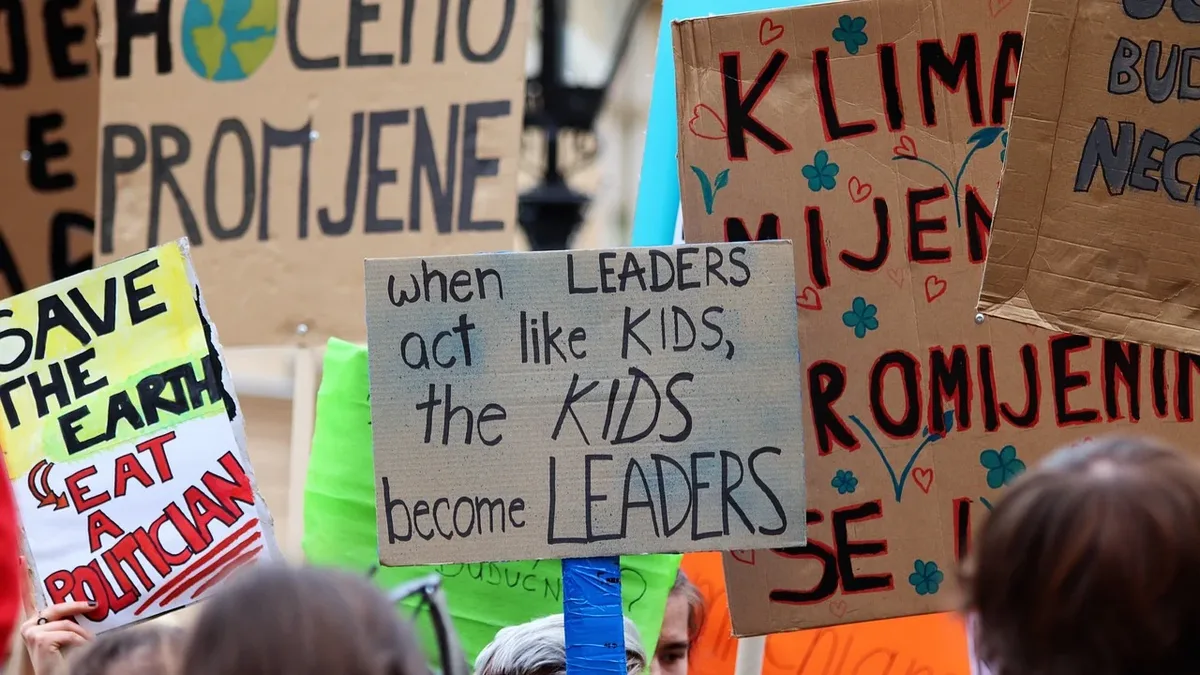
UK Foreign Minister Calls Climate Change a National Security Issue
At Climate Week NYC, UK Foreign Minister Ed Miliband and other global leaders argued that climate change and nature loss must be treated as core...
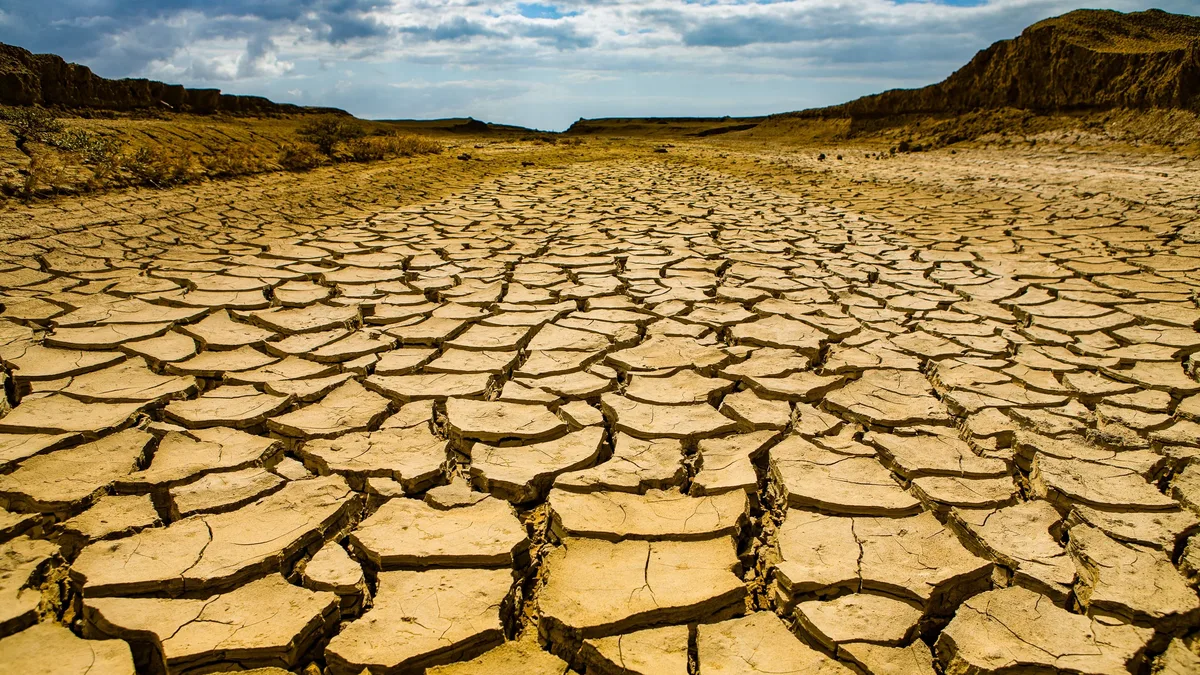
UN Land Talks End Without Drought Deal
UN land restoration talks in Mongolia have concluded without a legally binding drought agreement.
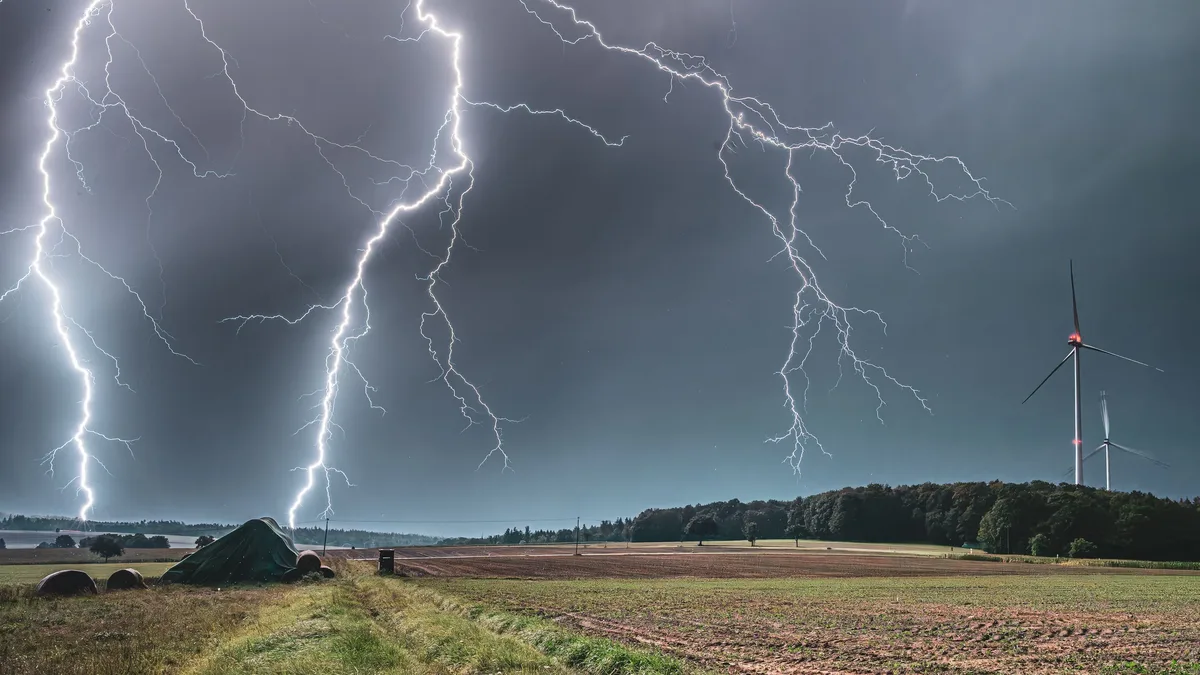
Cities and Regions Turn to Nature-Based Solutions to Tackle Climate Change
A majority of cities, states, and regions are using nature-based solutions to tackle climate change.