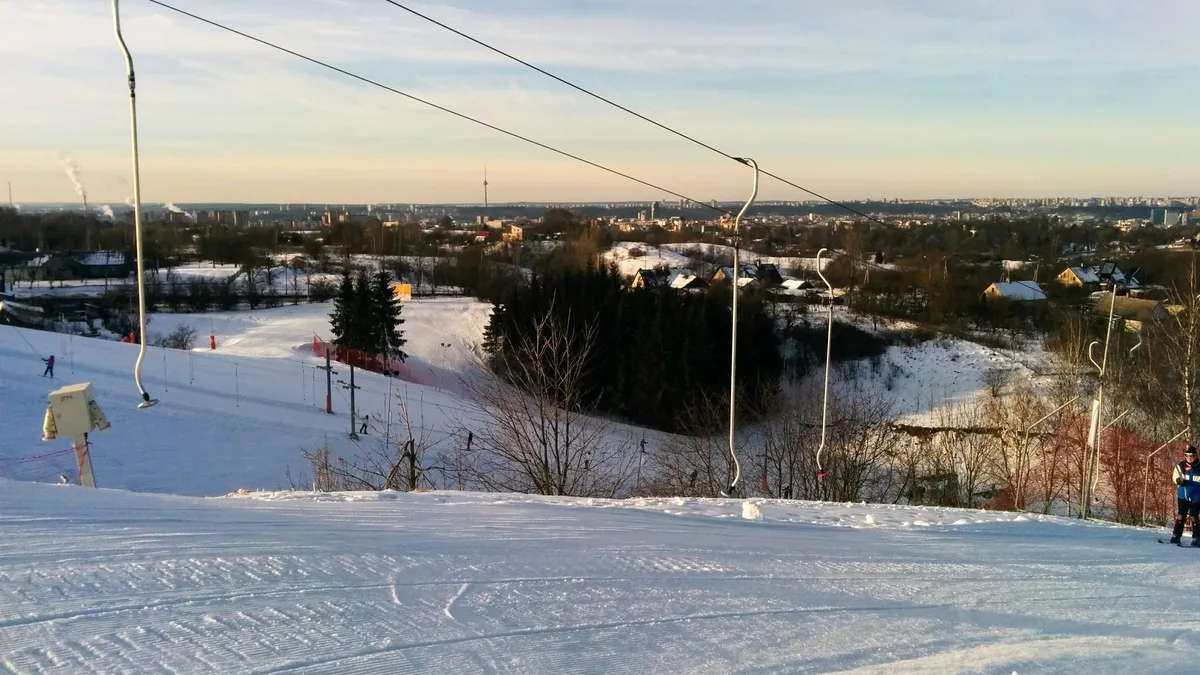
Alpine Snow And Winter Tourism
| Subject | Alpine Snow And Winter Tourism |
|---|---|
| Geographic scope | European Alps |
| Primary physical evidence | Observed long-term reduction in natural snow cover |
| Primary policy instrument | European Union's Alpine Convention |
| Original use | Framework for sustainable development in the Alpine region |
| Key thematic protocols | Transport, Tourism, Spatial Planning |
| Policy status | Ratified international treaty |
Origin and history
Alpine Snow and Winter Tourism originates from the European Alps, with its development as a formal economic sector beginning in the mid-19th century. The initial growth was facilitated by the expansion of railway networks, which made remote mountain villages accessible to urban populations. Early tourism primarily centered around health and wellness, with visitors seeking the perceived benefits of alpine air and sanatoriums. The invention and popularization of skiing as a recreational activity in the late 19th and early 20th centuries fundamentally transformed the sector into a sport-based industry. The establishment of dedicated ski resorts and infrastructure accelerated rapidly in the decades following the Second World War, driven by increased leisure time and disposable income. This historical development has created a deeply entrenched cultural and economic model across Alpine regions in countries such as Austria, Switzerland, France, Italy, and Germany.
What it is for
Alpine Snow and Winter Tourism functions as the primary economic engine for many mountain communities, providing employment and sustaining local services. It is designed to utilize seasonal snow cover as a recreational resource for activities including downhill skiing, snowboarding, cross-country skiing, and snowshoeing. The sector aims to generate revenue through a combination of lift pass sales, equipment rental, hospitality services, and ancillary spending in local economies. It serves to maintain population levels in otherwise remote areas that have limited alternative economic opportunities outside of summer pastoralism. Furthermore, it is intended to preserve and promote regional cultural traditions, such as specific architectural styles, cuisine, and festivals, albeit often in a commercialized form. The infrastructure also occasionally supports competitive sports training and events, which provide additional promotional value for the destinations.
Overview
Alpine Snow and Winter Tourism constitutes a complex socio-ecological system where a natural resource, seasonal snow, is leveraged for commercial gain. The core infrastructure includes ski lifts, snowmaking systems, groomed slopes, and purpose-built resort villages with accommodation, dining, and retail. Its operation is intrinsically linked to meteorological conditions, making it highly vulnerable to inter-annual weather variability and long-term climatic trends. The sector involves a wide range of stakeholders, from local family-run businesses and large corporate operators to municipal governments and regional development agencies. Environmental management is a critical and contentious component, encompassing slope preparation, water use for snowmaking, and impacts on local flora and fauna. The industry's scale varies dramatically from small, traditional villages to vast, interconnected ski domains that function as seasonal cities.
What to know
The sector's viability is fundamentally dependent on reliable seasonal snow cover, a condition increasingly threatened by climate change, which is causing rising snowlines and shorter seasons. Snowmaking using artificial nozzles has become a ubiquitous technical adaptation, but it requires significant volumes of water and energy, often drawing from local reservoirs and increasing operational costs. The European Alps are a densely populated mountain range, leading to persistent conflicts over land use between tourism development, conservation interests, and traditional agriculture. Tourist demographics are shifting, with markets aging and participation rates in traditional skiing stagnating or declining among younger generations in some areas. The economic model creates pronounced seasonal employment peaks in winter, often requiring a migrant workforce, while summer months can see significant economic slowdowns. Destination competitiveness now heavily depends on offering a diversified "winter experience" beyond just skiing, including wellness, gastronomy, and other non-ski activities.
Common questions
A common question is how resorts ensure snow coverage, which is primarily addressed through extensive automated snowmaking systems that require specific temperature windows to operate effectively. Visitors often inquire about the environmental impact, which includes local hydrological changes, landscape alteration for slopes, and high energy consumption for grooming and accommodation. Many wonder about the best time to visit, a question complicated by increasing weather unpredictability, though historical peak seasons typically fall between December and March. Questions regarding cost are frequent, as the experience can be expensive due to lift passes, equipment, and on-mountain dining, though smaller, local areas often offer more affordable options. People ask how climate change is affecting the Alps, with observable effects including glacier retreat, more frequent rain-on-snow events, and a compression of the reliable winter season. Another typical question concerns alternatives to downhill skiing, with many resorts now promoting winter hiking, tobogganing, and cultural events to attract a broader visitor base.
Pros and cons
A significant pro is the substantial economic benefit, providing year-round viability for communities that would otherwise face depopulation and economic decline. The sector also fosters the preservation and modernization of mountain infrastructure, including roads and utilities, that benefits permanent residents. A major con is its high environmental footprint, from habitat fragmentation to high energy and water use, often conflicting with conservation goals and climate mitigation efforts. The economic dependence creates vulnerability, where a poor snow season can lead to severe financial losses for businesses and municipalities that have invested heavily in tourism assets. A common mistake for destinations is over-reliance on a single activity like skiing, making them less resilient to market shifts and climate impacts compared to more diversified models. Many operators and communities regret the high capital investment and debt required for snowmaking and lift modernization, which locks them into a cycle of intensive development to remain competitive.
Who it suits
This tourism model suits visitors primarily seeking organized, infrastructure-intensive winter sports, particularly downhill skiing and snowboarding, within a concentrated resort environment. It suits investors and large operators with the capital to develop and maintain expensive technical systems and who can manage the financial risks associated with weather variability. The model suits mountain regions with historically reliable snow conditions at accessible altitudes and with the topographic suitability for slope development and lift construction. It is less suited for tourists seeking untouched wilderness or low-impact nature experiences, as the developed resort environment significantly alters the landscape. The model is increasingly challenging for lower-altitude or southerly Alpine villages that face marginal snow conditions, for whom diversification or alternative tourism models may be more viable. It also suits destinations that can successfully pivot to a four-season operation, using winter tourism revenue to support summer activities like hiking and cycling.
Latest Alpine Snow And Winter Tourism news
Latest reporting
UK Launches Flood and Drought Resilience Taskforce
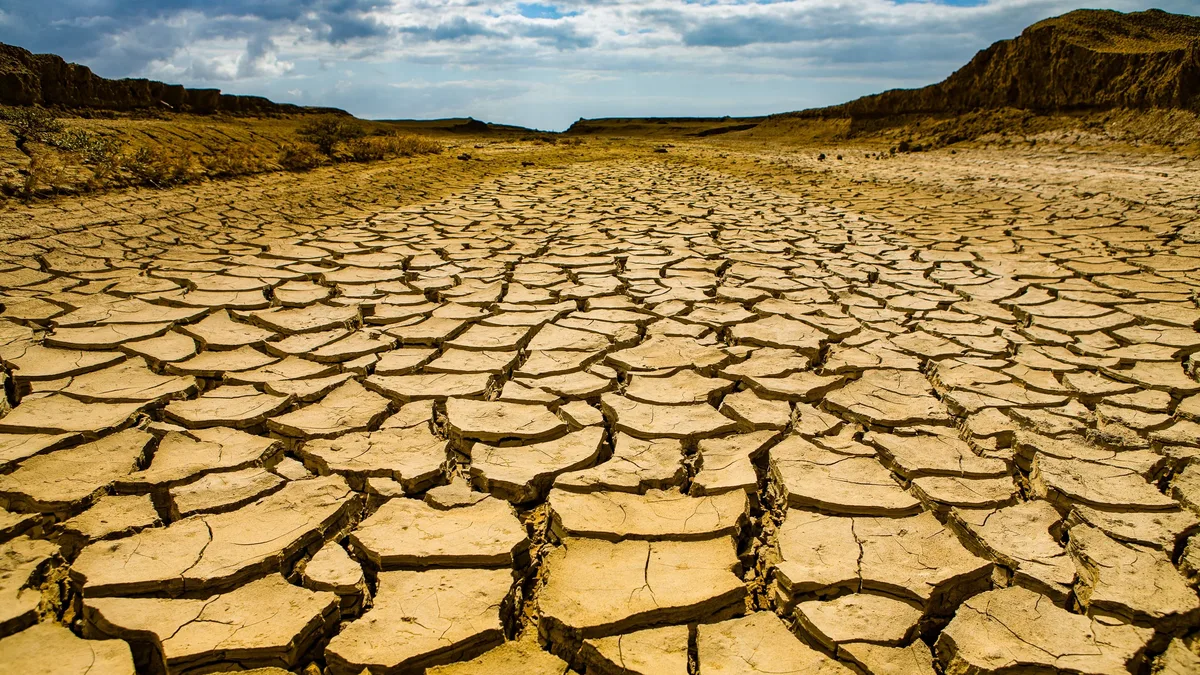
The UK government has launched a new Flood and Drought Resilience Taskforce to prepare for winter flooding and ongoing drought, backed by a £4.2bn...
UK households advised to prepare for winter floods
Experts urge communities and individuals to take practical steps to improve flood resilience ahead of a potentially destructive winter.
Australian ski season cut short by heat and El Niño
Major Australian ski resorts are closing up to a month early after a record-warm winter with limited snow.