Curtailment And Negative Prices
| Physical evidence | Overproduction of electricity relative to demand, leading to grid congestion and surplus supply |
|---|---|
| Policy instrument | European Union regulation requiring priority dispatch for renewable energy sources |
| Primary cause | Inflexible generation from renewable sources (wind, solar) combined with low demand |
| Market effect | Wholesale electricity prices falling below zero, generators paying to offload power |
| Common occurrence | During periods of high renewable output and low demand (e.g., windy nights, sunny holidays) |
| Typical response | Manual or automatic reduction (curtailment) of renewable generation, or increased export |
| Geographic prevalence | Regions with high renewable penetration and constrained grid infrastructure |
Origin and history
Curtailment and negative prices are market phenomena that emerged from the liberalization of electricity markets and the large-scale integration of variable renewable energy sources. Their conceptual and practical origins are tied to the development of wholesale electricity markets in Europe and North America in the late 20th and early 21st centuries. The specific condition of negative prices became notably visible in European power markets, such as the European Energy Exchange (EEX), during the 2010s as wind and solar capacity expanded rapidly. The physical necessity of curtailment, deliberately reducing the output of generators, has existed for as long as electrical grids have operated, but its systemic application to renewables is a more recent development. These mechanisms are not a single policy invention but rather evolved as market responses to the physical realities of an increasingly decarbonized grid. Their history is intrinsically linked to the energy transition and the technical and economic challenges of managing inflexible nuclear baseload alongside highly variable renewable generation.
What it is for
Curtailment is a grid management tool used to maintain the real-time balance between electricity supply and demand, ensuring system stability and preventing physical damage to infrastructure. It is employed when generation exceeds consumption plus the capacity of available transmission lines or storage, particularly during periods of low demand and high renewable output. Negative prices are a financial signal within wholesale electricity markets designed to discourage generation when supply is excessive and to incentivize flexible demand or storage uptake. They serve as an economic alternative or complement to physical curtailment instructions, allowing the market to self-correct by making it costly to continue injecting power. Together, these mechanisms address the fundamental mismatch between the time-varying output of weather-dependent resources and the relatively inflexible patterns of electricity consumption. Their function is to manage surplus energy conditions in a way that preserves grid reliability while enabling the highest possible penetration of renewable sources.
Pros and cons
A primary pro of using market-based negative prices is that they provide an efficient economic signal, encouraging flexible consumers and storage operators to consume power when it is abundantly available and cheap. This can optimize the use of the existing grid and generation assets without requiring direct intervention from the system operator. However, a significant con is that persistent negative prices can undermine the financial viability of both renewable and conventional generators, which may rely on predictable positive market revenues to cover their capital costs. A common mistake in market design is to see negative prices as a failure, rather than a necessary and functional feature of a high-renewables system, leading to political pressure to suppress them. Grid operators often regret relying too heavily on curtailment without sufficient complementary investments in grid expansion, storage, and demand-side flexibility, as it represents a waste of clean energy and public investment. Consumers may ultimately bear the cost through higher capacity payments or network charges needed to support generators that cannot recover costs solely from the energy market.
Who it suits
This market environment suits power systems with a very high penetration of variable renewable energy sources, particularly wind and solar photovoltaic, where supply can frequently outstrip demand. It is a characteristic feature of advanced, liberalized electricity markets that have moved away from centrally planned dispatch, such as those in Germany, the Nordic countries, and parts of the United States. The framework suits flexible market participants, including large-scale battery storage operators, industrial consumers with shiftable loads, and aggregators who can profit from arbitraging negative prices. It is less suited to regions with isolated, inflexible grids, dominant baseload generation (like large nuclear or coal fleets without load-following capability), or without the institutional framework for a competitive wholesale market. Policymakers and system operators who embrace these signals typically do so with a concurrent strategy to expand interconnection capacity and develop other sources of grid flexibility. Ultimately, curtailment and negative prices are indicators of a system in transition, suited to jurisdictions committed to deep decarbonization but still grappling with its complex integration challenges.
Latest Curtailment And Negative Prices news
Latest reporting
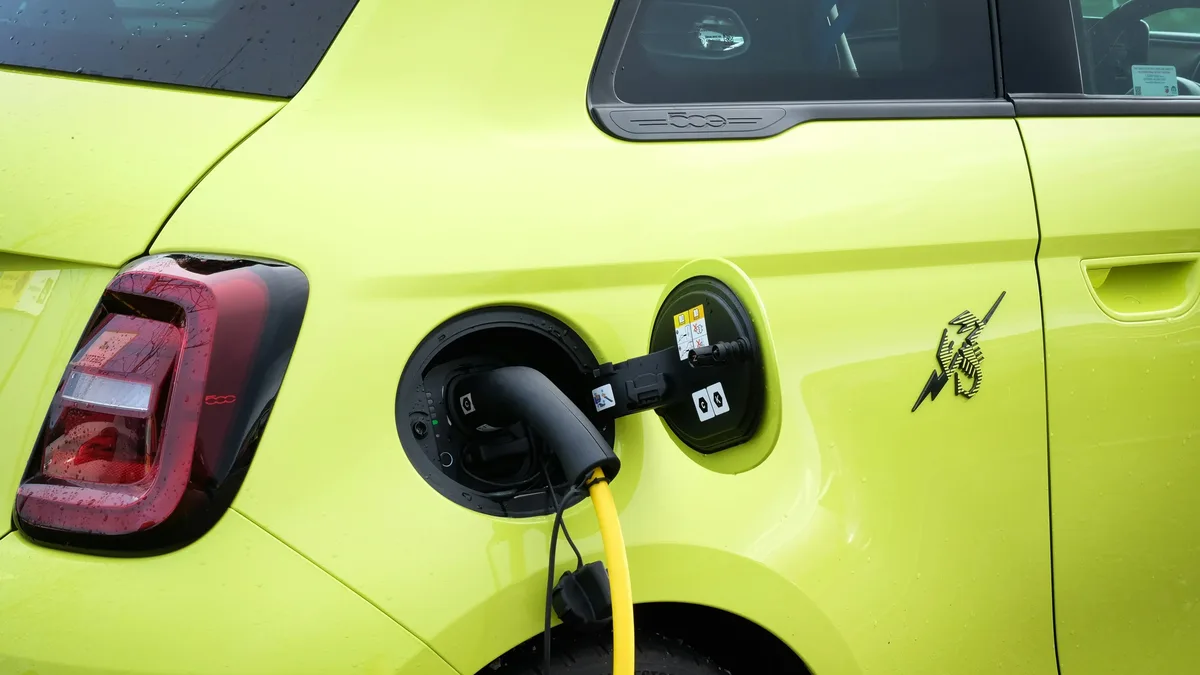
UK fuel prices make electric vehicles up to nine times cheaper per mile
Surging diesel and petrol prices have made driving an electric vehicle up to nine times cheaper per mile in the UK.

Indonesia's Nickel Industry Struggles with Sustainability
Indonesia's nickel production cuts are not enough to create a sustainable industry, despite the government's efforts to push up prices and produce...

China's coal power rebounds as record clean energy goes to waste
China's use of coal for electricity has grown in the first half of 2026, despite a record amount of wind and solar power being wasted through...