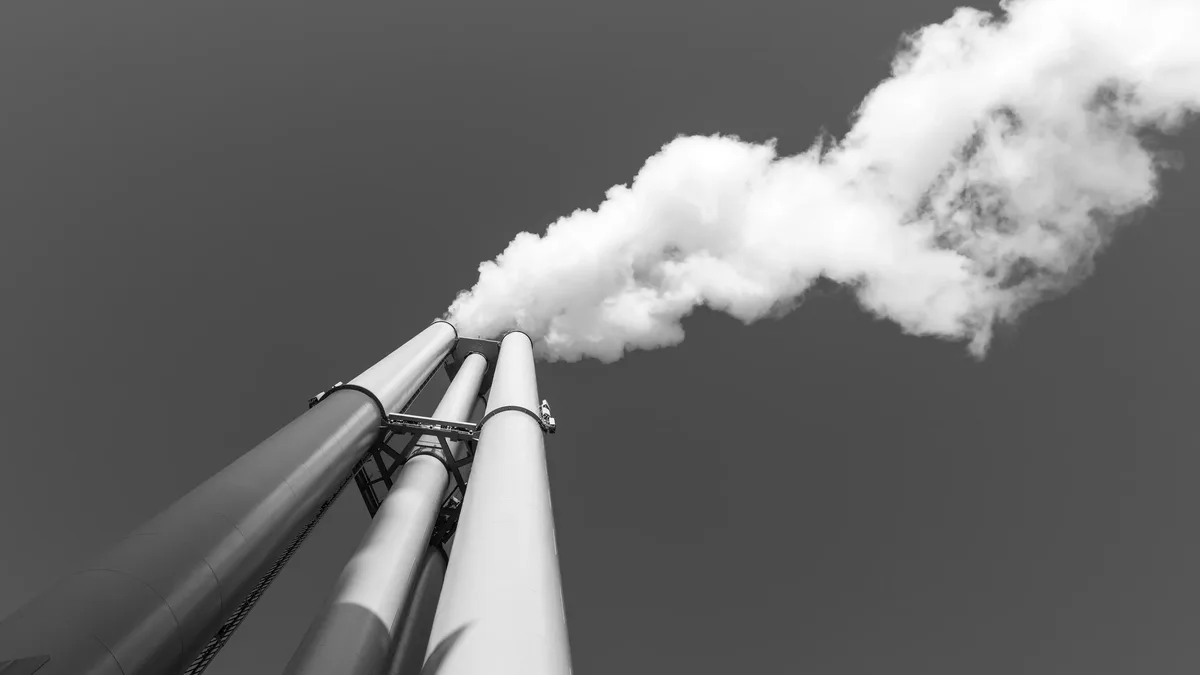
Norway defies EU as it pushes for Arctic oil expansion
Norway intends to proceed with fossil fuel extraction in the Barents Sea despite European Union calls for a moratorium and ongoing legal challenges from environmental groups.
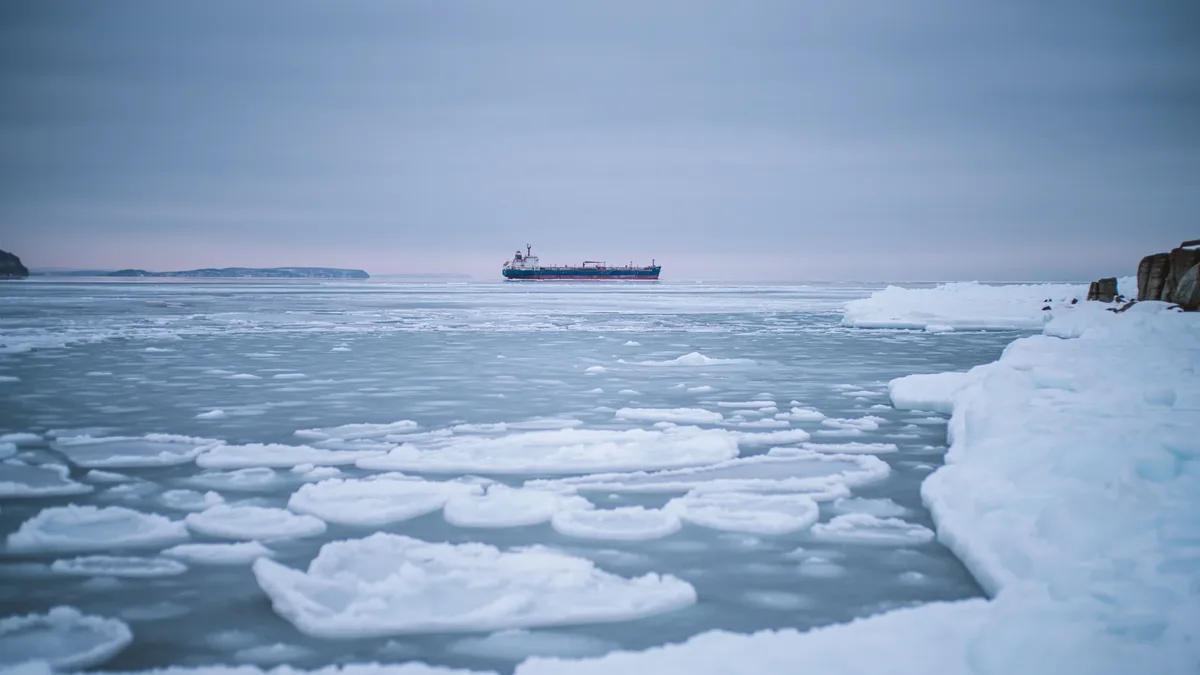
Norway has confirmed its intention to develop fossil fuel resources in the Barents Sea despite efforts from the European Union to implement an Arctic extraction moratorium. Energy Minister Terje Aasland told Reuters that the country will continue these resource plans regardless of a potential ban on new drilling in the region.
the European Union currently supports the ban, it is exploring exceptions to address energy security and price volatility within the bloc. Norwegian officials argue that because the Barents Sea areas are ice-free, similar to North Sea operations, the risk of oil spills is significantly lower. The government also maintains that extraction supports employment in regions bordering Russia.
Legal battles over permits
The Norwegian Government is currently seeking to have its supreme court overturn a lower court ruling that blocked permits for three specific oilfields. The legal dispute involves Equinor's Breidablikk field alongside Aker BP's Tyrving and Yggdrasil fields. Two of these projects have already commenced production.
The lower court previously ruled in favor of a 2023 filing by Greenpeace and Young Friends of the Earth. These campaigners claim that the government granted approvals without properly evaluating the Scope 3 impacts of the projects. Haldis Tjeldflaat Helle, leader of Greenpeace Norway, told Reuters that a legal victory could transform national oil politics. She stated a win would force politicians to assess the loss of lives, forest fires, and melting ice resulting from Norwegian oil.
Implications for the North Sea
These developments occur as the UK concludes a public consultation on the Rosebank oil and gas field. This follows a similar process for the Jackdaw gas field. The Offshore Petroleum Regulator for Environment and Decommissioning (OPRED) will use these findings to determine if the £8.7bn Rosebank project proceeds.
Green campaigners in the UK have pressured the government to pivot toward clean energy following record-high temperatures and droughts. Conversely, supporters of North Sea extraction point to Norway's economic resilience during price spikes. Norway is currently the largest natural gas supplier in Europe, meeting 30% of the demand for the bloc and the UK.
Production and decommissioning trends
While Norwegian gas production reached records last year and oil hit its highest level since 2009, output is expected to drop without new discoveries. The sector represents 20% of Norway's GDP. However, the End Fuel Poverty Coalition reports that North Sea gas extraction will fall below UK domestic heating requirements by 2027, even with mega-projects like Rosebank.
| Metric | Figure |
|---|---|
| North Sea decommissioning spend (2025) | £2.6bn |
| Well decommissioning cost (2025) | £1.3bn |
| Abandoned projects last year | Over 100 |
| Wells awaiting final abandonment | Over 500 |
| Projects to decommission (next 5 years) | 1,000 |
The North Sea Transition Authority (NSTA) has labeled the period to 2032 as the decade of decommissioning. Almost half of all decommissioning spending is projected to occur before 2032.