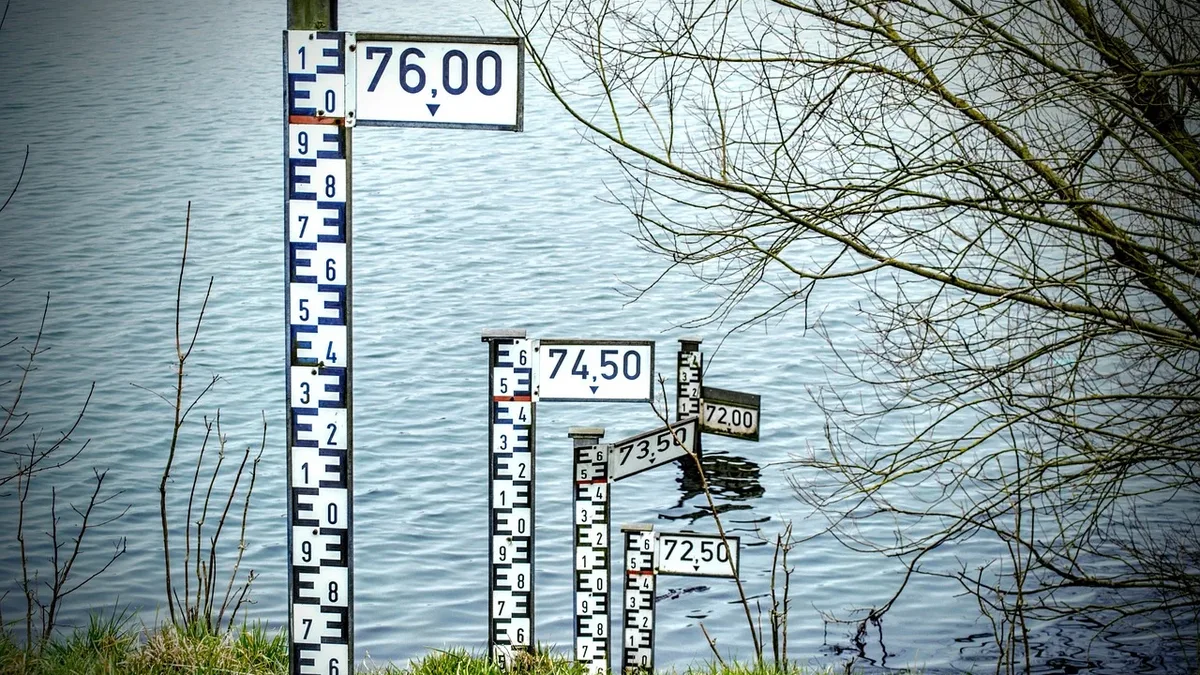
Sea Level Rise
| Definition | Long-term increase in the average level of the world's oceans. |
|---|---|
| Primary Driver | Thermal expansion of seawater and melting of land-based ice. |
| Global Average Rate | Varies by location and time period; millimeters per year. |
| Contributing Factors | Melting of glaciers and ice sheets, thermal expansion, land subsidence. |
| Measurement Method | Satellite altimetry and tide gauge networks. |
| Key Impacts | Coastal erosion, increased flooding, saltwater intrusion. |
| Time Horizon | A long-term, persistent process measured over decades to centuries. |
Overview
Sea level rise is the long-term increase in the average height of the ocean's surface relative to the land, primarily driven by the thermal expansion of seawater as it warms and the addition of water from melting land-based ice sheets and glaciers. This process is a direct and measurable consequence of anthropogenic climate change. In Europe, the phenomenon presents a significant and escalating threat to coastal communities, ecosystems, economic assets, and cultural heritage. The policy response is coordinated at the European Union level, integrating adaptation and mitigation strategies across multiple legislative frameworks. These instruments aim to enhance member states' resilience through planning, funding, and knowledge sharing while addressing the root causes through emissions reductions. The physical evidence for ongoing and accelerating sea level rise is documented by satellite altimetry and tide gauge records spanning decades.
What to know
The rate of sea level rise is not uniform across European seas, with some regions, like the Baltic and parts of the Mediterranean, experiencing rates that differ from the global average due to local geological and oceanographic factors. Key physical evidence includes the sustained loss of ice mass from the Greenland Ice Sheet and Antarctic Ice Sheet, both of which contribute to global sea level rise and are monitored by satellite missions. Coastal erosion and increased frequency of coastal flooding during storms are immediate observable impacts, even before permanent inundation occurs. The primary European policy instrument addressing this is the EU Adaptation Strategy, which mandates and supports member states in developing and implementing national adaptation plans. This is supplemented by the Floods Directive, which requires flood risk management plans that account for future climate scenarios, including sea level rise. Furthermore, maritime spatial planning under the Common Fisheries Policy and the Integrated Coastal Zone Management Recommendation provide frameworks for managing competing uses of coastal space in light of this long-term hazard.
Common questions
A common question is whether sea level rise can be stopped or reversed in the near future; due to the inertia in the climate system, a certain amount of continued rise is already locked in, making adaptation unavoidable even with stringent emissions cuts. People often ask about the reliability of projections, which are based on climate models and emission scenarios published by the Intergovernmental Panel on Climate Change and refined for European regions by the Copernicus Climate Change Service. Many inquire about the legal and financial support available, which is channeled through mechanisms like the EU's LIFE programme and the Cohesion Fund, which can finance specific adaptation projects. Questions frequently arise regarding the conflict between hard engineering defenses, like sea walls, and softer measures, such as dune restoration or managed realignment of coastlines. There is also recurring confusion between EU-wide strategic directives, which set binding goals, and the national competence for actual implementation and coastal planning. Individuals and businesses often seek guidance on accessing localized risk maps, which are typically produced by national environmental agencies under the requirements of the Floods Directive.
Pros and cons
A significant pro of the European policy approach is its emphasis on a unified, cross-border strategy that fosters knowledge transfer and prevents a patchwork of incompatible defenses, which is crucial for shared basins like the North Sea. The integration of sea level rise projections into long-term infrastructure planning, such as for ports and energy plants, can prevent costly maladaptation and protect public investments. A major con is that the layered governance structure can lead to slow implementation, where EU directives are translated into national law and then into local action, often causing delays that outpace the accelerating risk. A common mistake is for local authorities to prioritize expensive hard defenses for existing high-value property, which can create a false sense of security, worsen erosion down-drift, and ultimately prove unsustainable, leaving communities with regret when these measures fail or require endless costly upgrades. The policy framework also struggles with the "sunken cost" dilemma, where political pressure favors protecting past investments in vulnerable areas over strategically retreating, even when the latter is the more resilient long-term option. Furthermore, while funding exists, competition for it is fierce, and smaller municipalities often lack the technical capacity to prepare successful proposals, leading to an uneven distribution of adaptive capacity across regions.
Who it suits
This integrated policy instrument suits national and regional governments that require a structured, evidence-based mandate to justify long-term and sometimes unpopular adaptation investments to their constituencies. It is particularly suited to low-lying member states with extensive coastlines, such as the Netherlands and Denmark, which have historically managed water risks and can leverage EU policy to advance sophisticated, large-scale projects. The framework also suits sectors with long asset lifetimes and high exposure, like the maritime transport, offshore energy, and coastal tourism industries, which need regulatory certainty for planning decades ahead. It suits environmental NGOs and research institutions that advocate for nature-based solutions, as the policy provides channels to elevate ecosystem-based adaptation within formal planning processes. The instrument is less immediately suited to private individuals or small landowners, who must rely on filtered-down local regulations and may face complex permitting processes for personal protective measures. Ultimately, it is a mechanism designed for entities with the administrative capacity and need to engage in systematic, strategic risk management over long timescales.
Latest Sea Level Rise news
Latest reporting
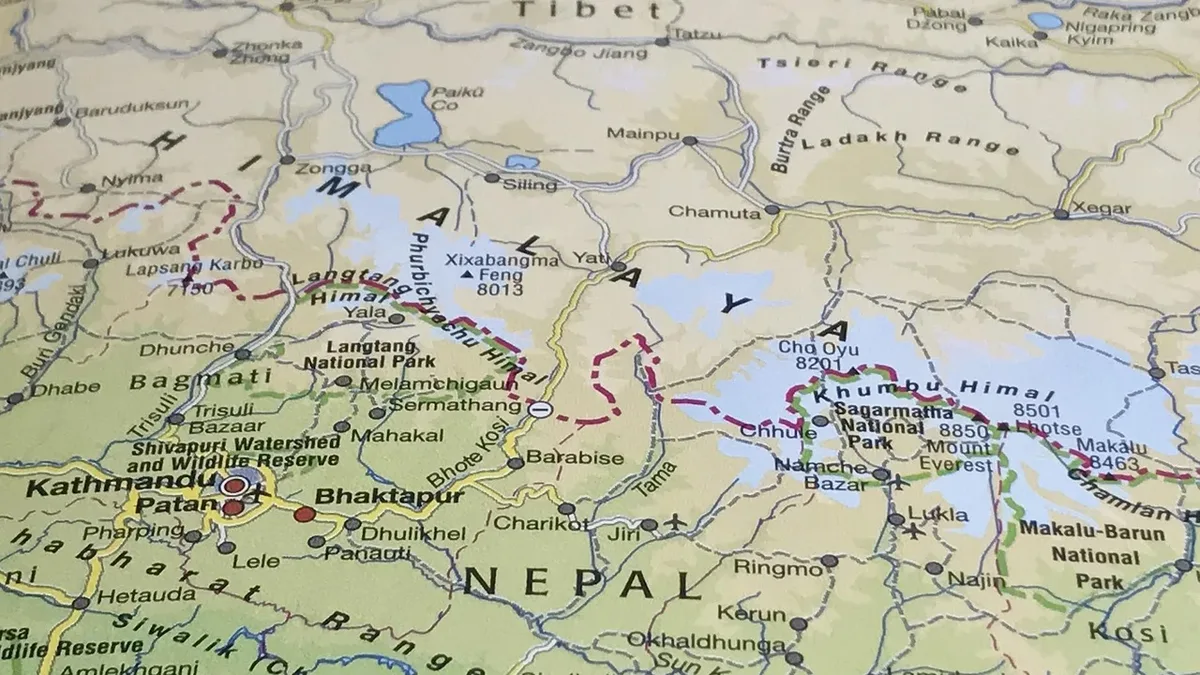
Nepal flash floods map deadly impact along Tibet border
Police in Nepal expect the death toll, already above 160, to rise as search teams reach cut off areas following flash floods triggered by a glacial...

Land-use Emissions Fall by a Third This Century, Despite Fossil Fuel Emissions Rise
A recent report by the Global Carbon Budget notes a significant decrease in land-use change emissions since the late 1990s, with a steep drop in...