Caribbean Faces Escalating Drought and Heat as Climate Change Amplifies El Niño Effects
The Caribbean is grappling with severe drought and extreme heat as El Niño intensifies, worsened by climate change. Rising temperatures, water shortages, and economic disruptions highlight the urgent need for climate action beyond emergency relief.
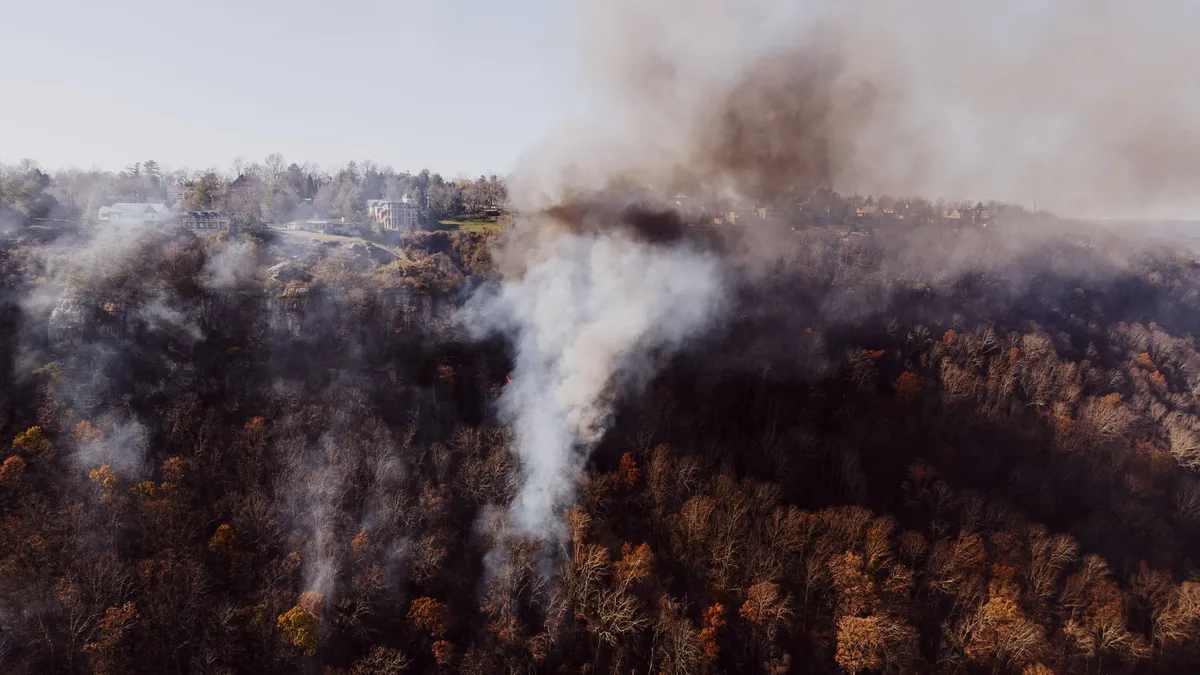
The Caribbean is enduring a worsening drought and extreme heat as one of the strongest El Niño events in modern history takes hold. Unlike the visible destruction of wildfires in Europe, the region’s suffering is less dramatic but equally devastating, with public health warnings urging people to stay indoors and hydrated-advice that many outdoor workers and farmers cannot afford to follow.
Climate Change Intensifies El Niño’s Impact El
Niño alters rain patterns and traps heat across the Caribbean, but climate change is making these effects more severe. Temperatures in the Greater Antilles are soaring above 38°C (100°F), with real-feel indexes reaching 43°C in parts of Puerto Rico. Cuba faces even harsher conditions, with widespread power outages leaving millions vulnerable to heat stroke as temperatures climb.
Rico had water only two days a week. Now, entire families face the prospect of taps running dry, forcing them to haul heavy buckets of water for basic needs. This is not just an inconvenience-it poses immediate health risks, particularly for the elderly, who may struggle to carry water or suffer from heat exhaustion in poorly ventilated homes.
Water shortages also create breeding grounds for Aedes aegypti mosquitoes, accelerating dengue fever outbreaks. The economic toll is equally severe, with dry fields destroying crops and forcing small agricultural businesses to seek government relief. Cuba’s agricultural sector has already seen a 60% drop in food output due to fuel shortages, and El Niño threatens further devastation.
Marine and Economic Disruptions
Warmer ocean waters are fueling massive sargassum seaweed influxes, choking beaches and damaging tourism-a critical industry for many Caribbean communities. In Puerto Rico’s coastal town of La Parguera, record amounts of sargassum have halted boating activities, crippling the local economy. Fishers also face losses as tangled seaweed damages nets and boat engines.
The Role of Climate Change
Climate scientists confirm that human activity, particularly fossil fuel burning, is amplifying El Niño’s effects. Attribution science, which compares current climate conditions to a pre-industrial baseline, shows that extreme weather is increasingly linked to human-caused climate change. The U.S.
National Academies of Sciences, Engineering and Medicine recently endorsed these methods, noting their potential relevance in legal cases against oil companies.
Urgent Need for Structural Action
While humanitarian aid is necessary, the crisis demands long-term climate action. Similar droughts in Asia and Africa reinforce the narrative that natural phenomena alone are not to blame. The Caribbean’s suffering underscores the need for systemic solutions to address the root causes of climate change and protect vulnerable communities.
Source: Climate Home News