Big Tech's Climate Blind Spot: AI's Hidden Emissions Threat
A recent study reveals that the true climate danger of AI lies not in its power-hungry data centres, but in its unchecked use across the fossil fuel industry.
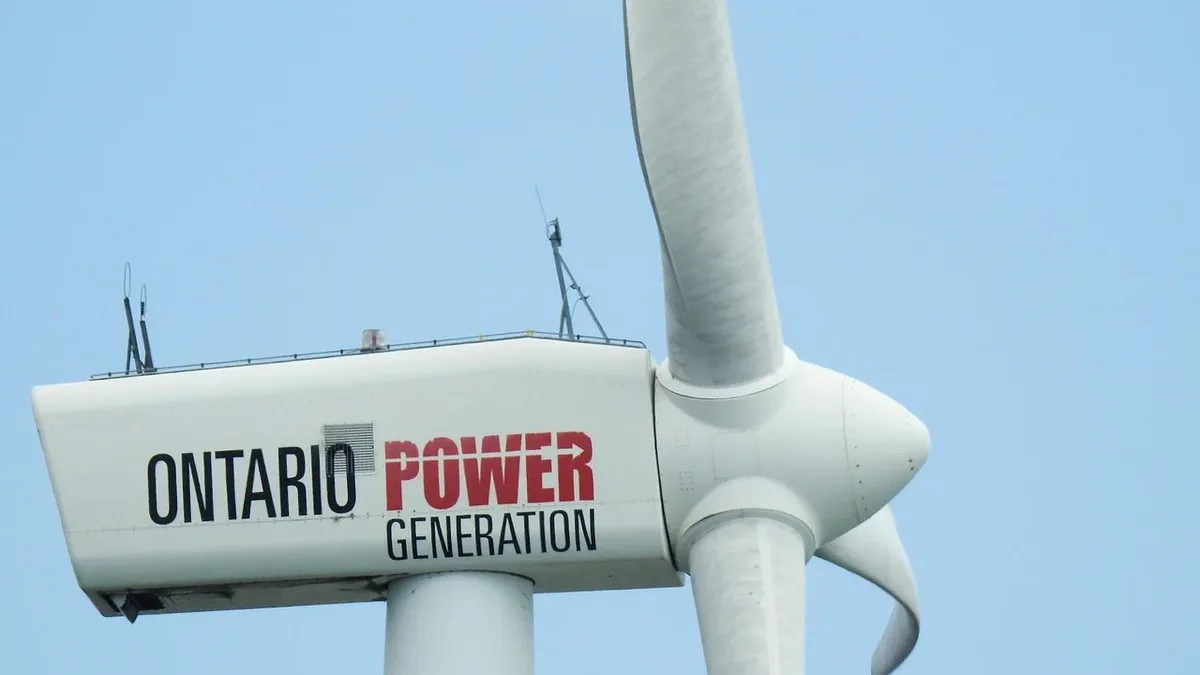
The climate conversation has long focused on the power-hungry data centres that support the growing use of artificial intelligence (AI). However, a recent study suggests that this narrow focus has let Big Tech off the hook, concealing the real climate danger of AI: its unchecked use across the fossil fuel industry.
The Hidden Emissions Threat
The study, led by former Microsoft manager Holly Alpine, found that when AI is adopted at similar rates across the fossil fuel and renewable energy sectors, the net effect is a rise in emissions of 0.47-1.8 gigatonnes of CO2 annually. This is equivalent to Mexico's annual emissions at the low end, and to Russia's - the world's fourth-largest emitter - at the high end.
| Sector | Emissions (Gt CO2/yr) |
|---|---|
| Low end | 0.47 |
| High end | 1.8 |
| Data centres | < 0.01 |
The study's findings are a stark contrast to the conventional wisdom that AI's green applications, such as optimising renewables or boosting efficiency, can offset its emissions. Instead, the research suggests that AI's real climate danger lies in its ability to help fossil fuel companies extract planet-heating oil and gas faster and more cheaply.
The Fossil Fuel Industry's Embrace of AI
The study found that the fossil fuel industry has been quietly adopting AI tools to improve its operations. For example, AI models can process hundreds of terabytes of seismic and well data quickly, creating high-resolution images of what is underground. This allows fossil fuel companies to identify and develop fossil fuel deposits with greater certainty, making them more viable.
| Relationship | Comparison |
|---|---|
| Fossil fuel-dedicated teams | Much larger in terms of employees, contracts, and long-standing relationships |
| Renewable energy companies | Smaller in terms of engineering resources and contracts |
The study's authors argue that this blind spot has led to "dangerous consequences" and that it is time to shift the focus to the real climate danger of AI: its unchecked use across the fossil fuel industry.
The Need for Accountability
The study's findings have significant implications for Big Tech companies, which have been accused of greenwashing their climate credentials. The study's authors argue that companies like Microsoft, which has worked with the fossil fuel industry for many years, need to be held accountable for the emissions their technology enables.
| Company | Emissions (Gt CO2/yr) |
|---|---|
| Microsoft | 0.01 (operational emissions) |
| ExxonMobil | 0.15 (emissions from Microsoft technology) |
The study's recommendations include putting supply-side constraints on AI-enabled productivity for fossil fuel companies, which would limit the ability of these companies to use AI to extract more fossil fuels. Ultimately, the study's authors argue that it is time to hold Big Tech accountable for the real climate danger of AI: its unchecked use across the fossil fuel industry.
Source: Climate Home News