Businesses Must Turn Sustainability Pressures into Tangible Advantages
As climate disruption, resource depletion, and geopolitical fault lines converge, businesses are being forced to rethink their approach to sustainability in supply chains.
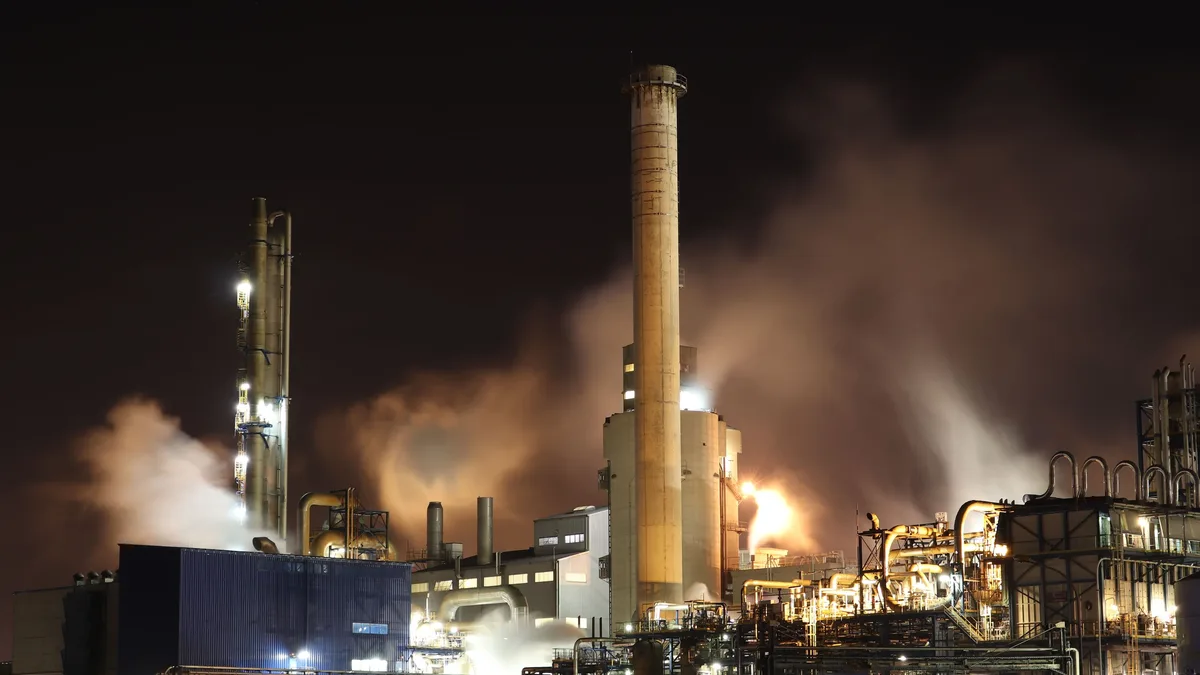
As climate disruption, resource depletion, and geopolitical fault lines converge, businesses are being forced to rethink their approach to sustainability in supply chains.

As climate disruption, resource depletion, and geopolitical fault lines converge, businesses are being forced to rethink their approach to sustainability in supply chains.
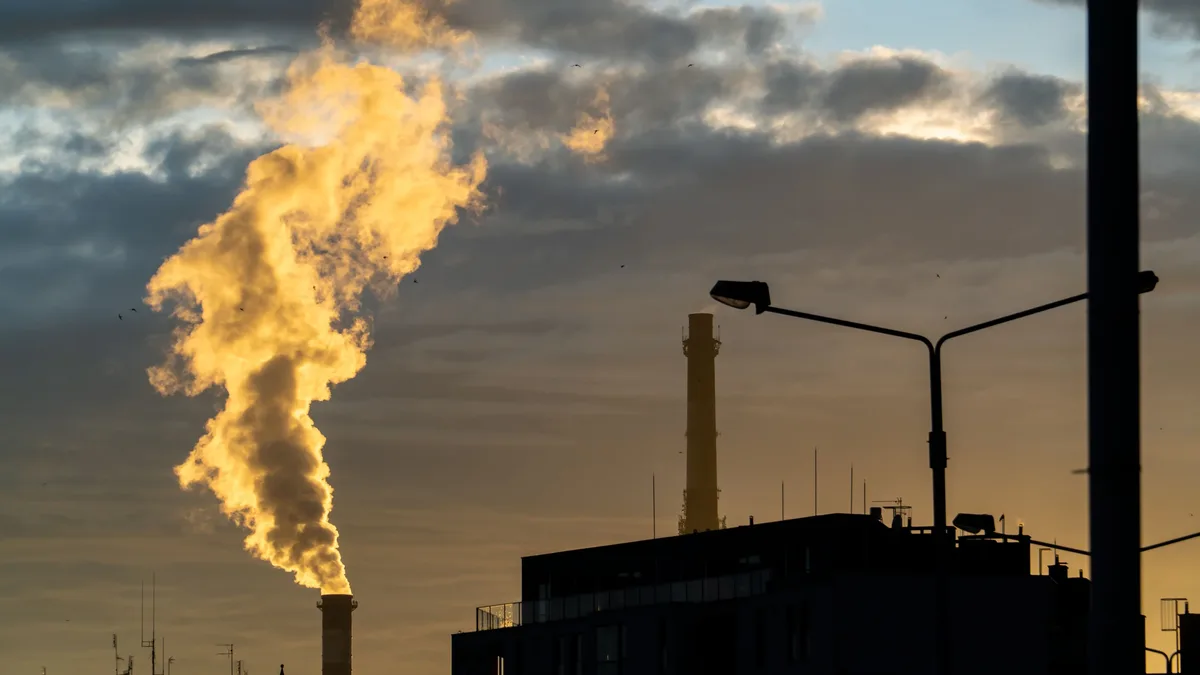
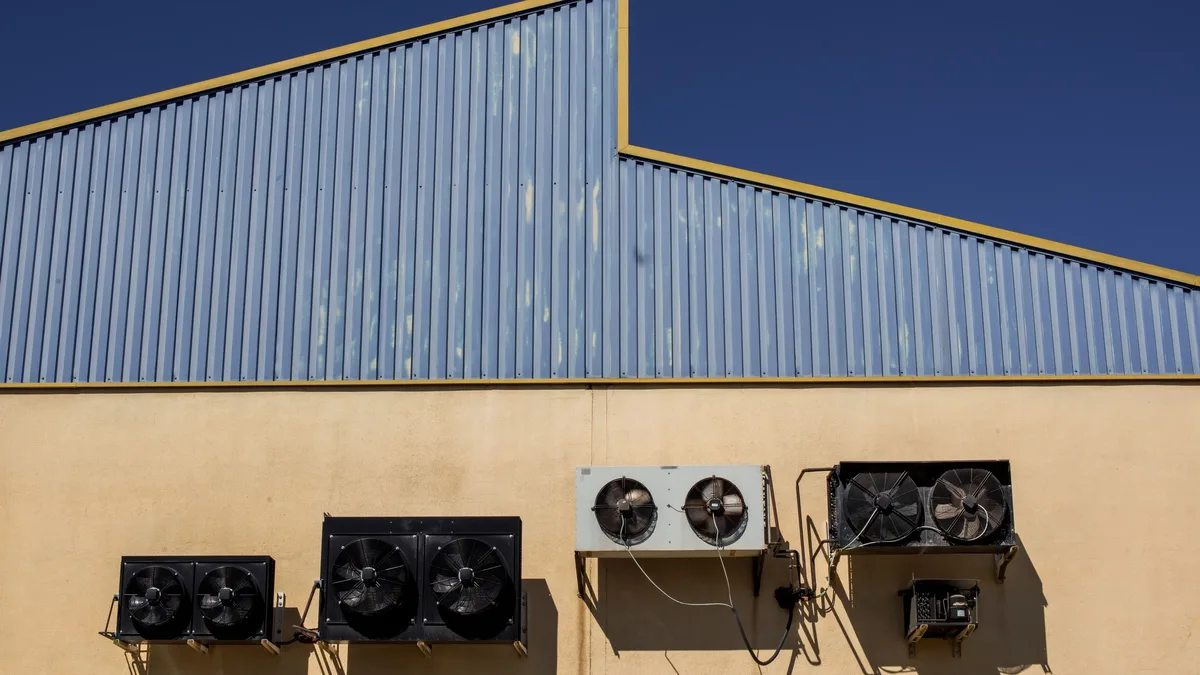
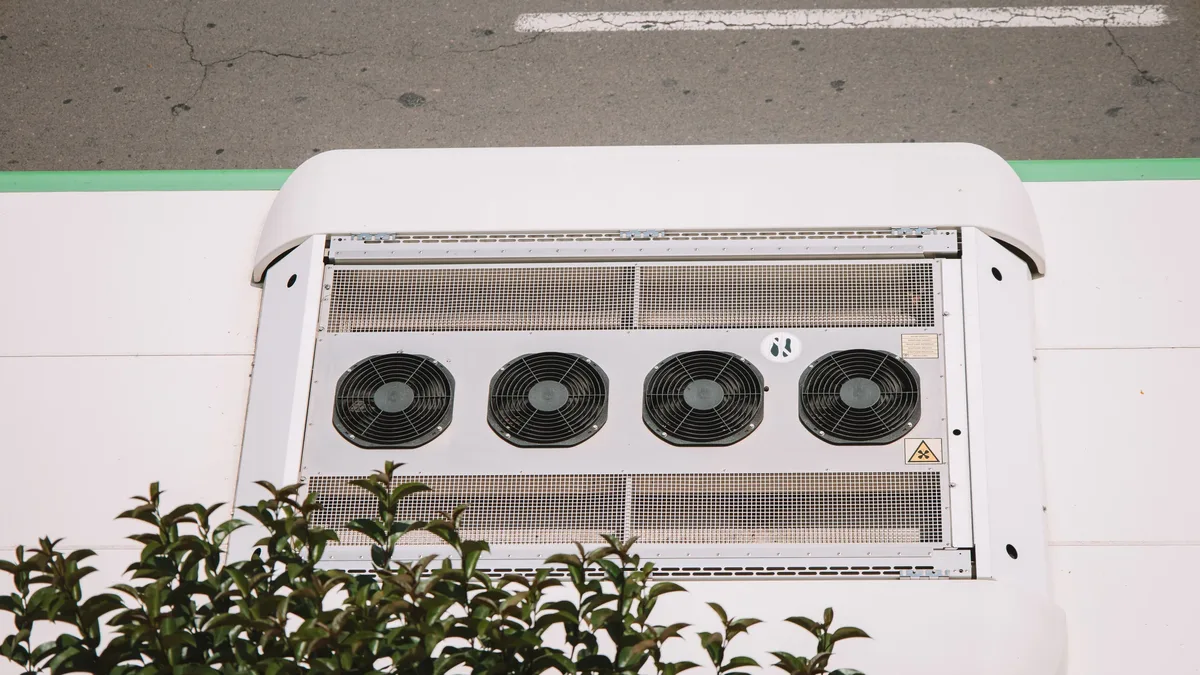
Businesses face pressure to decarbonize, but the infrastructure to support renewable energy lags behind. A new approach is needed, one that treats energy as a strategic asset and prioritizes transparency and authenticity.

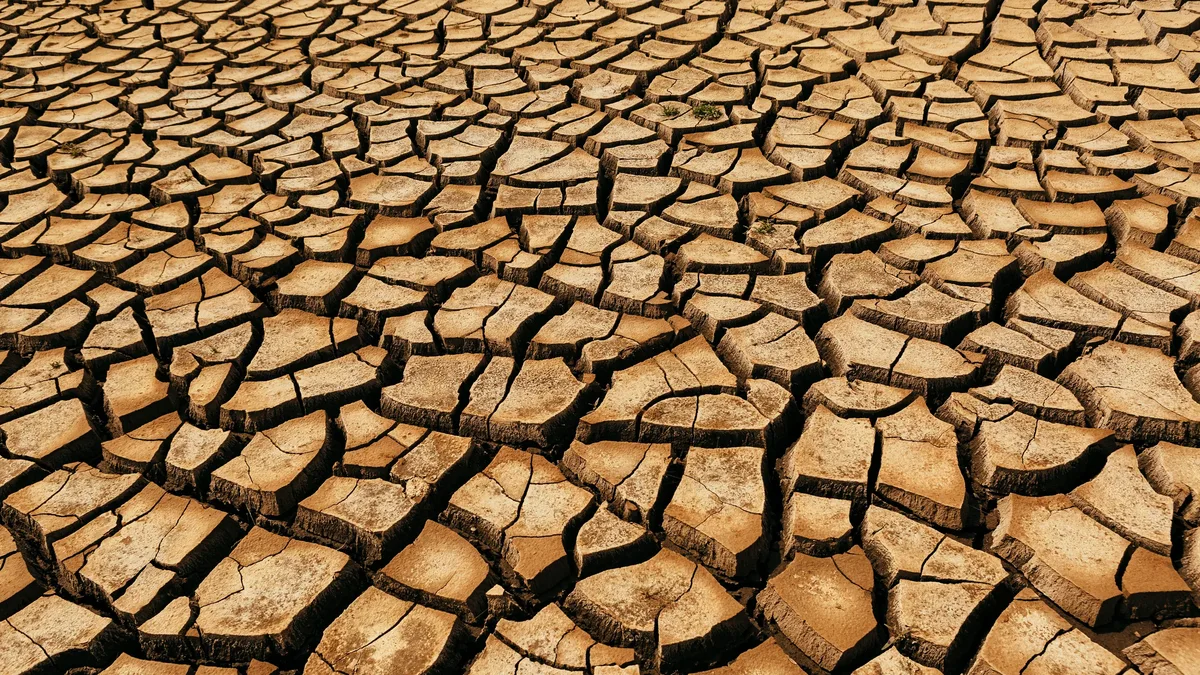
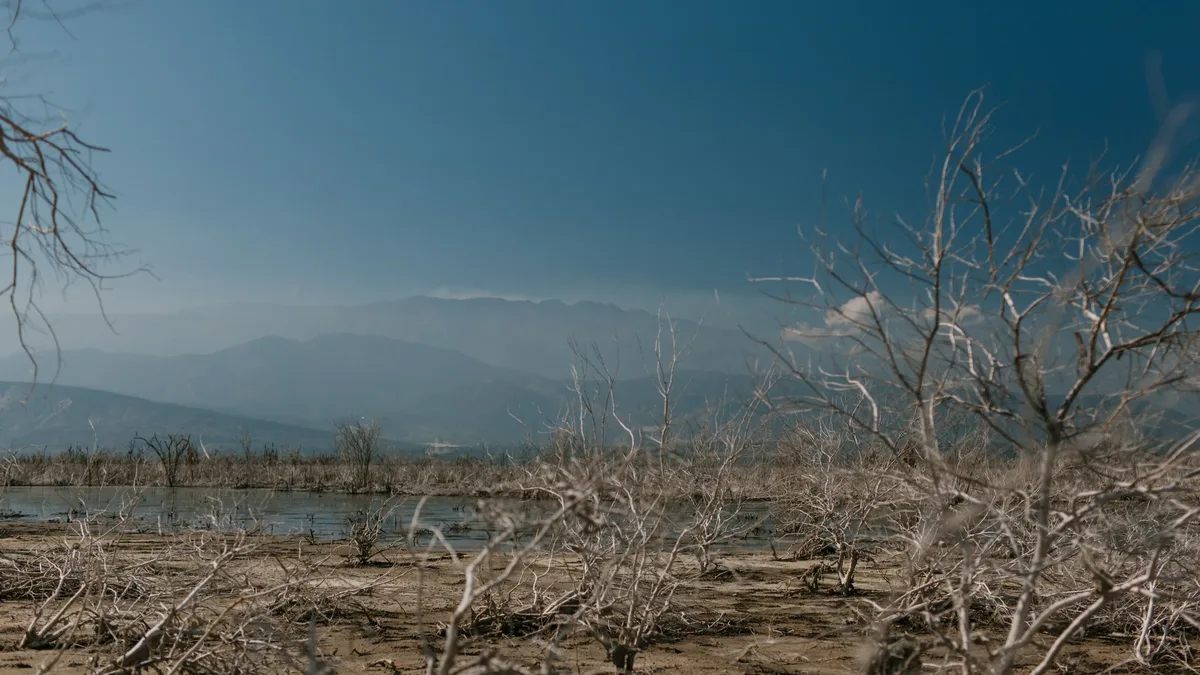
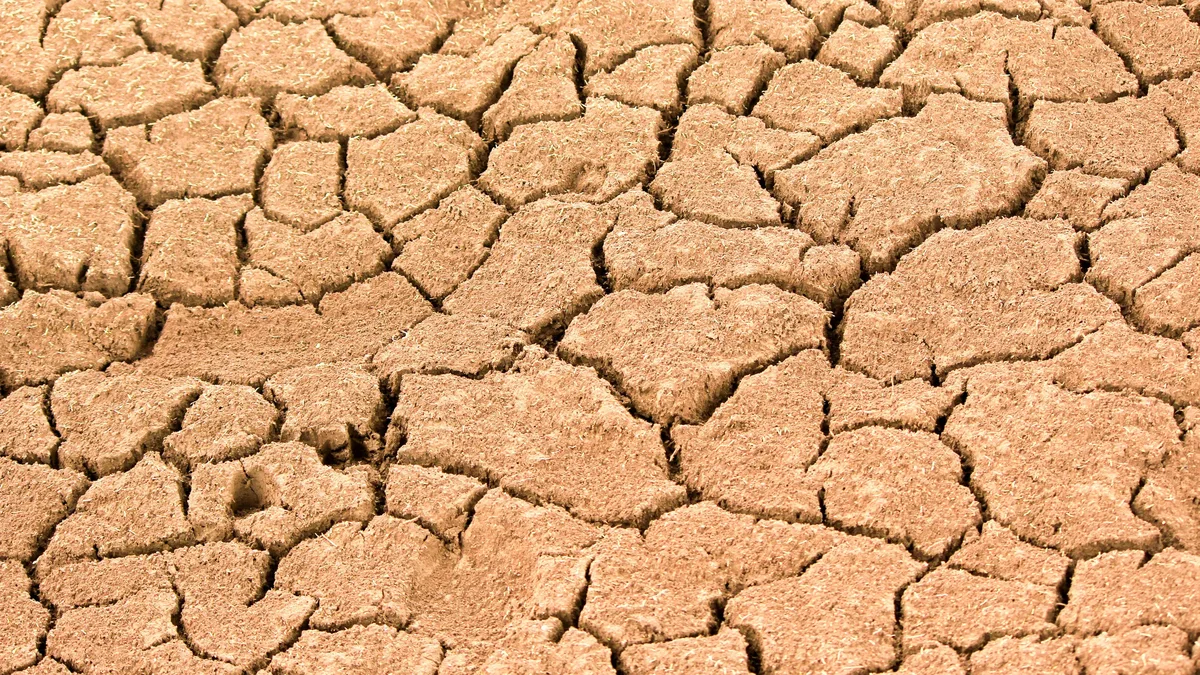
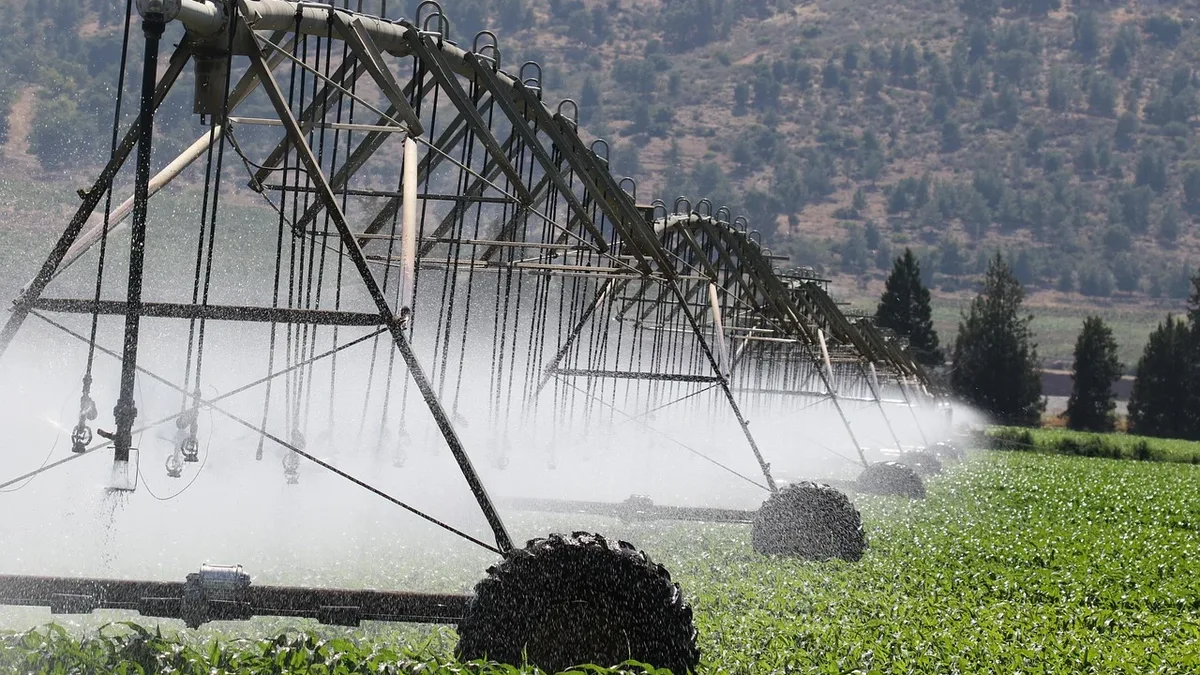
The world is grappling with a severe drought crisis, and the question of who will fund the necessary water security measures remains unresolved. The private sector's role in shoring up water supplies is becoming critical, but current private investment levels are a fraction of what is required.

A senior figure involved in setting standards for forest carbon emissions has resigned, citing fundamental disagreements over scientific integrity.

A new toolkit aims to encourage greater community-council partnerships to accelerate community energy projects in the UK.

The world is experiencing a record-breaking 'super El Niño,' a phase of the El Niño-Southern Oscillation (ENSO) cycle that temporarily raises global temperatures and alters weather patterns worldwide. This event, which began in June, is expected to last into 2027 and could be the most intense on record, affecting billions of people through extreme weather and shifting rainfall patterns.

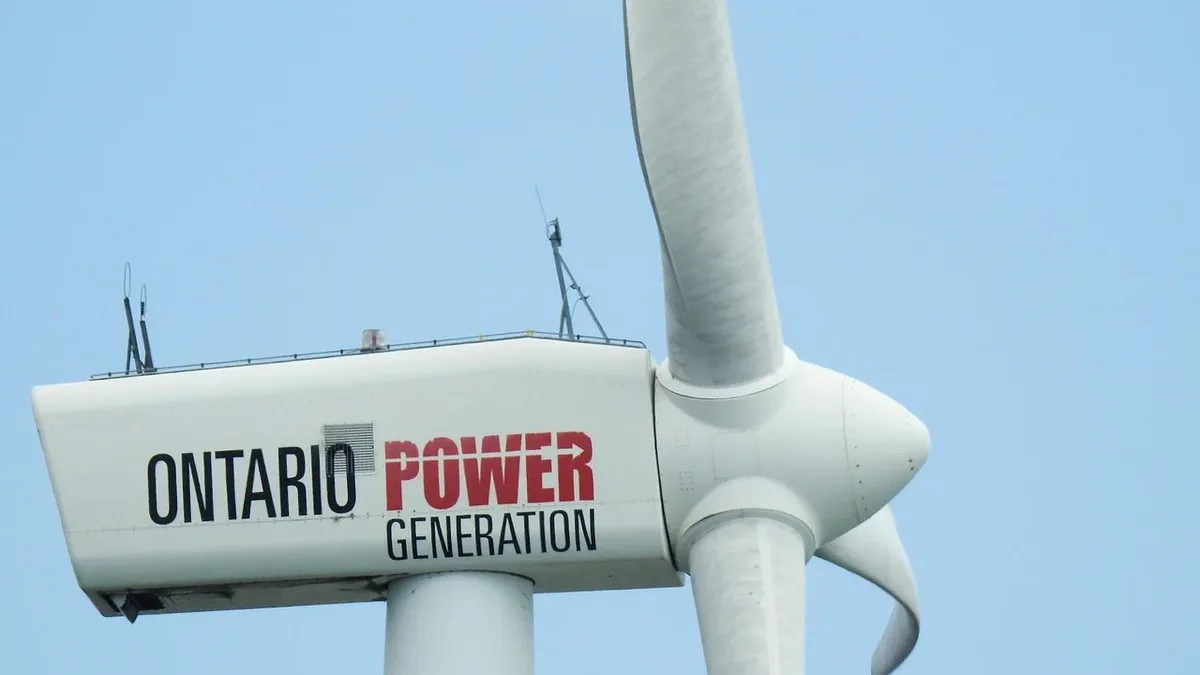
China's use of coal for electricity has grown in the first half of 2026, despite a record amount of wind and solar power being wasted through curtailment.

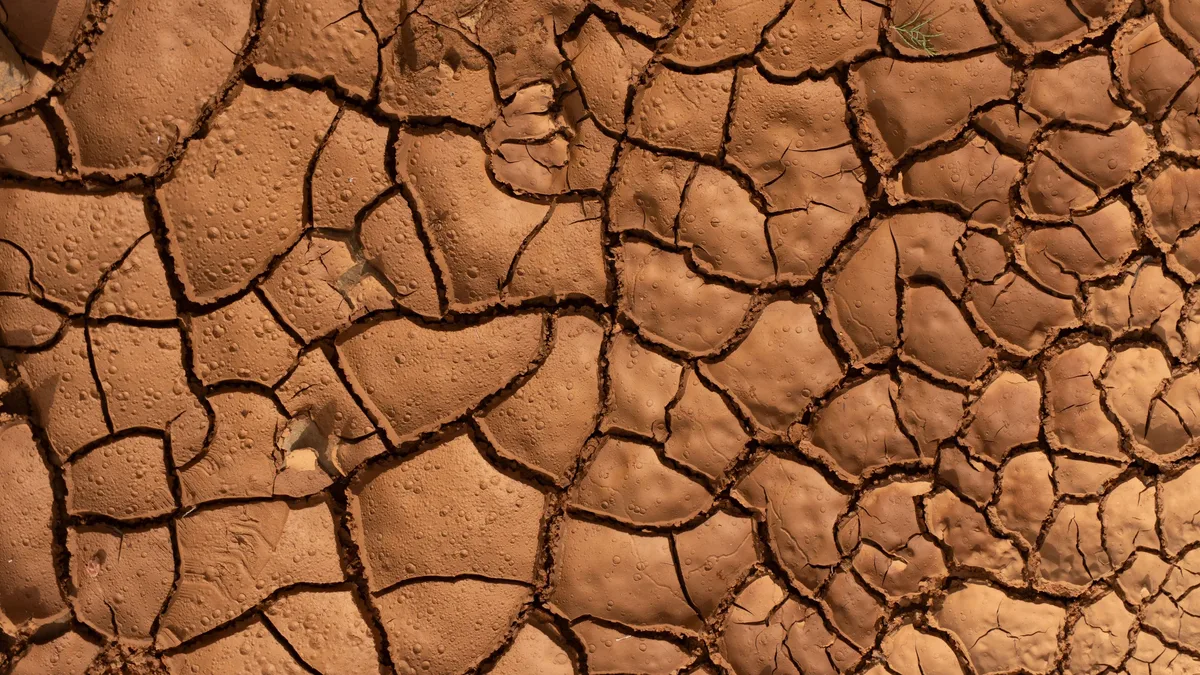
The country's largest reservoir, Lake Mead, and the second-largest, Lake Powell, have reached record-low water levels due to climate change, population growth, and over-consumption.

The world is grappling with a severe drought crisis, and the question of who will fund the necessary water security measures remains unresolved. The private sector's role in shoring up water supplies is becoming critical, but current private investment levels are a fraction of what is required.

The Caribbean is grappling with severe drought and extreme heat as El Niño intensifies, worsened by climate change. Rising temperatures, water shortages, and economic disruptions highlight the urgent need for climate action beyond emergency relief.

A UN report reveals 45 countries have failed to submit new national climate plans, breaching Paris Agreement rules, 18 months after the deadline.

Businesses face pressure to decarbonize, but the infrastructure to support renewable energy lags behind. A new approach is needed, one that treats energy as a strategic asset and prioritizes transparency and authenticity.

A new toolkit aims to encourage greater community-council partnerships to accelerate community energy projects in the UK.

The energy solutions market is overflowing with options, but a new initiative aims to cut through the noise by connecting solution providers with businesses seeking practical answers.

A senior figure involved in setting standards for forest carbon emissions has resigned, citing fundamental disagreements over scientific integrity.

The Santa Marta coalition, a group of governments, businesses, and civil society organisations seeking to transition away from fossil fuels, faces a challenge as Colombia's new government turns back to fossil fuels.

A recent study reveals that the true climate danger of AI lies not in its power-hungry data centres, but in its unchecked use across the fossil fuel industry.

The annual UN climate conference has grown to tens of thousands of participants, but the fear of missing out (FOMO) may be hindering effective international climate cooperation.

As the world grapples with the devastating effects of climate change, experts are calling for a shift in how we measure economic success. The traditional metric of gross domestic product (GDP) has been criticized for its limitations, particularly in the face of environmental crises.
New stories are published through the day as reporting is confirmed. The homepage lists the most recent items first.
Every story carries a named source attribution. Our methodology page sets out which document types we treat as primary and how we handle estimates.
Each story carries a named byline. Author pages collect everything that writer has filed for this site.
Corrections are logged on a dedicated page with a date and a plain description of what changed, rather than edited in silently.